
Vandaag of morgen in huis

Kwaliteit gegarandeerd

Welkomstaanbiedingen ontgrendelen: GRATIS bezorging | Tot 80% korting | Gratis 30 dagen JoyPlus-proefperiode
Download de app
A garlic press that becomes difficult to clean after a few uses, a lemon squeezer that lets juice run down the side, or a pasta maker that’s too big for your kitchen: these are all familiar kitchen-buying regrets. When shopping for manual kitchen gadgets, people often look at the price or appearance first. But it’s the material, how easy a tool is to use and how simple it is to clean that determine whether it remains a pleasure to use every day.
This guide will help you compare a garlic press, manual lemon squeezer, citrus juicer, pasta maker or noodle press in a practical way.
A budget-friendly kitchen accessory may look appealing, but a low price tells you little about how it’s made. Check whether the product description mentions the material, finish and components. For a garlic crusher or garlic press, the hinges, pressing surfaces and holes are particularly important.
Words such as “powerful”, “professional” or “multifunctional” are hard to assess without a technical explanation. A brand may, for example, claim that a product offers a particular user experience based on its own research, but this isn’t an independent guarantee. Instead, look for verifiable information such as dimensions, material, capacity and instructions for use.
A tool with small openings or hard-to-reach edges can trap food remnants. When you cook every day, easy cleaning is just as important as pressing performance. Also consider how much space you have in your kitchen drawer. A manual pasta press or noodle maker takes up more room than a small garlic press.
Stainless steel kitchen gadgets are popular for their sturdy appearance and because they don’t need to be plugged in. However, check which type of steel is listed and whether the product information says the parts are suitable for food contact. Zinc alloy can also feel sturdy, but pay extra attention to the finish and its protection against wear.
According to the product description, the PURECOOK ring press is made from 430 stainless steel. The set contains two presses, with a smooth finish and evenly shaped holes. The supplier also states that this model is dishwasher-safe. Don’t use wire wool or harsh scouring products to clean it, as advised in the product information.
A garlic press works differently from a garlic crusher. A press uses a lever action, while a crusher pushes directly down on the ingredient. A ring-shaped handle may be comfortable if you’re looking for a compact, simple design. For citrus fruit, a lever or clip is useful because it keeps the fruit in place while you press.
For a pasta maker, pasta press or noodle press, you should also consider how the dough is fed into the machine. Check whether it’s operated by hand, how much space it takes up and whether the pasta shape you want is specifically listed. A small machine may be suitable for occasional use, but making pasta regularly calls for a stable set-up and a design that’s comfortable to turn.
A citrus juicer with a collection container is handy when you want to catch the juice without using an extra bowl. The JORDAN&JUDY manual juicer is listed in the product name as having a capacity of 500 ml. This is useful information if you want to juice several oranges or lemons in a row.
For a garlic press, the dimensions and size of the pressing chamber are important. A compact model is easy to store, while a larger one may hold more for each press. Always check the current product page for full specifications, delivery information and care instructions.
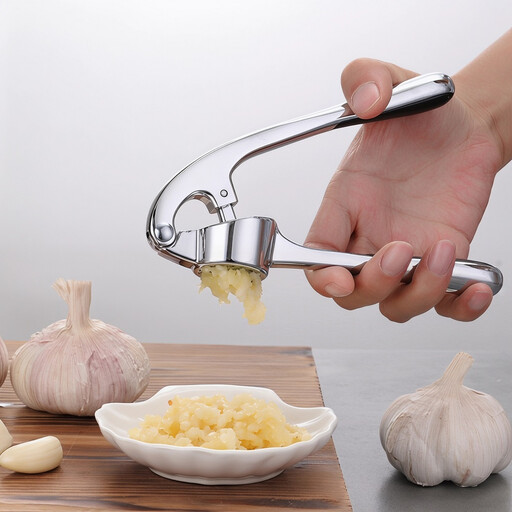
Why it suits this user: A straightforward manual garlic press for households that want to prepare garlic or purée without electricity.
The product name specifies stainless steel and a thickened design. Check the product page for the exact dimensions and cleaning method.
Manual operation; the product name specifies stainless steel.
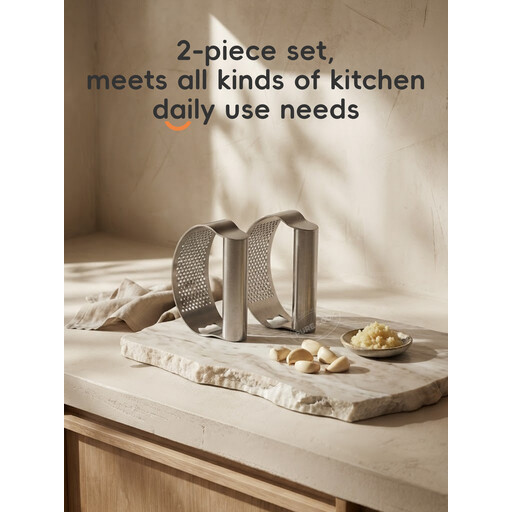
Why it suits this user: Suitable for households that want a spare or regularly prepare garlic.
The product description mentions a smooth, burr-free finish, evenly spaced holes and parts that can be taken apart for cleaning. The supplier states that the set is dishwasher-safe.
Two presses per set; 430 stainless steel; manual ring-shaped design.
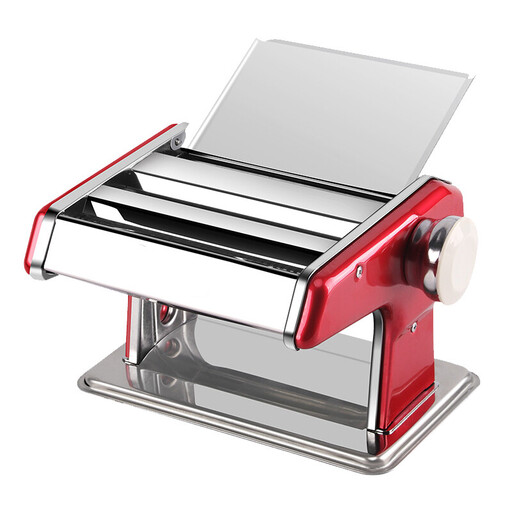
Why it suits this user: For home cooks who want to make their own pasta or noodles and prefer a manual machine to an electric one.
The product name specifies manual operation and a stainless steel pasta maker. Before buying, check the rollers, how it attaches to your worktop and how much workspace you’ll need.
Manual pasta making; the product name states that it’s suitable for pasta and noodles.
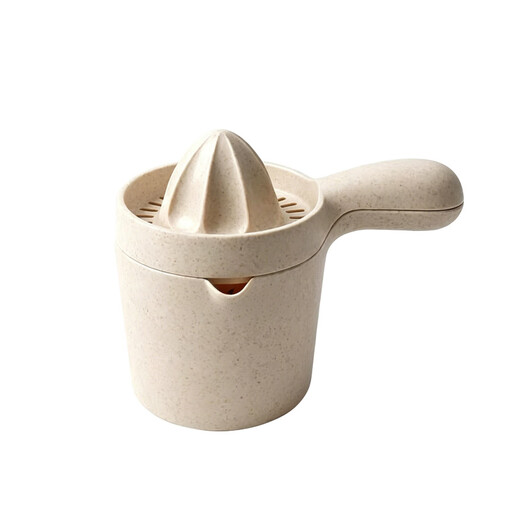
Why it suits this user: Handy if you regularly juice lemons, oranges or other fruit and need a container to collect it.
The 500 ml capacity is stated in the product name, making it easy to check. Also check the exact dimensions and cleaning instructions.
Manual citrus juicer; 500 ml collection capacity according to the product listing.
We’ve put together a complete, up-to-date list of products that meet these strict selection criteria and the applicable European safety regulations.
The right choice for everyday use depends on what you’re making. A garlic press is compact and suitable for small quantities. A manual lemon squeezer is useful for dressings, marinades and drinks. If you make your own dough, a pasta maker or noodle press may be more useful. For each product, check how it’s cleaned and whether you have enough storage space.
Remove any residue straight after use and rinse the press with water. If it comes apart, clean the components separately. The PURECOOK set’s product description says it’s dishwasher-safe; always follow the instructions on the current product page. Avoid abrasive products if they could damage the finish.
Its lifespan depends on the material, how heavily it’s used, how it’s maintained and how it’s stored. Use a garlic press only for the ingredients it’s designed for, and don’t force a pasta maker to handle dough that’s too thick or firm. Before use, check for cracks, loose joints or sharp damage. This helps prevent a small defect from making the tool unsafe or needing an early replacement.
