
Vandaag of morgen in huis

Kwaliteit gegarandeerd

Welkomstaanbiedingen ontgrendelen: GRATIS bezorging | Tot 80% korting | Gratis 30 dagen JoyPlus-proefperiode
Download de app
A mango wood serving bowl is more than just a practical item; it brings a touch of ambiance to your table. It's ideal for a summer salad, casual drinks and appetisers, or a platter of tapas. The warm, natural look of the wood fits perfectly with a Mediterranean or Bohemian interior. But the popularity of mango wood also comes with pitfalls. Many bowls look stunning in the store but lose their charm after just a few uses due to stains, cracks, or a peeling inner layer.
As a Joybuy Product Recommendation Officer, I see daily which products live up to their promises and which do not. Before you invest in a new wooden serving bowl, it's wise to know what to look for. Here are the three most common mistakes you can avoid.
serving bowl with enamel is beautiful, but only if the coating is applied correctly. On cheaper models, chips or cracks can appear after a short period, making the bowl unusable and unsafe.wooden salad bowl, while a tapas bowl that's too small misses the mark for a party. Functionality is just as important as appearance.To avoid buyer's remorse, it's helpful to check a few specifications. These details determine the lifespan and usability of your mango wood serving bowl.
The term sustainable mango wood is often used, and for good reason. Mango wood is a by-product of the fruit industry. Trees are only harvested after they no longer bear fruit, and new ones are planted in their place. This makes it a responsible material choice.
However, the finish is at least as important. Pay attention to the following points:
Think about what you will primarily use the bowl for. This will determine the ideal shape and size.
wooden serving platter is a classic choice for appetiser tableware.Wood and dishwashers don't mix. To keep your mango wood bowl beautiful, maintenance is simple but crucial:
Based on these criteria, we have selected a few popular choices that suit different needs and styles.
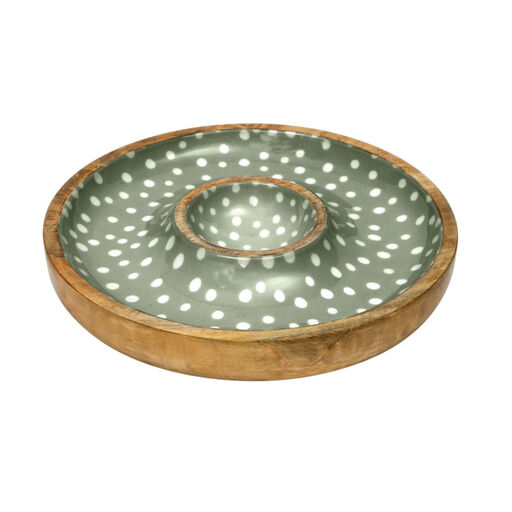
Why This Fits Their Persona: Perfect for those who love to host gatherings and want a functional statement piece. The design is specifically made for serving crisps, vegetables, and dips, making it an ideal `chip and dip bowl` for a social evening. The olive green colour instantly evokes a `Mediterranean tableware` feel.
The design is perfectly suited for its purpose, so you avoid the mistake of choosing an unsuitable model. The hand-finished enamel interior is made to withstand moisture from dips, minimising the risk of peeling.
Innovative two-part design for snacks and dips. Made from sustainably sourced mango wood.
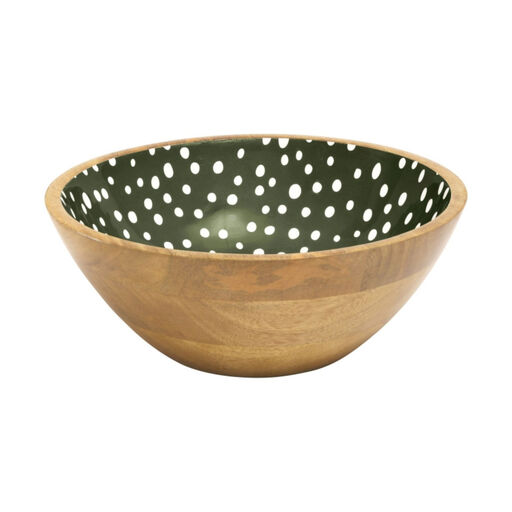
Why This Fits Their Persona: For those who enjoy dining in the garden and serving large, fresh salads. With a 27 cm diameter, this `wooden salad bowl` is spacious enough for a group. The vibrant colour and natural material are a perfect match for a summer atmosphere.
The enamel interior protects the mango wood from the acids and oils in salad dressing, preventing stains and damage—a common pitfall with pure wooden bowls.
Generous size for large salads. The protective and stylish enamel interior is easy to keep clean.
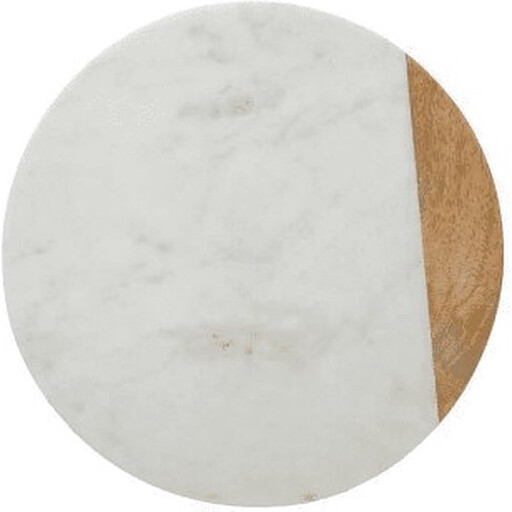
Why This Fits Their Persona: For those who want to combine functionality with style. This revolving platter is not just a `wooden serving platter` but a multifunctional centrepiece. It's ideal for cheese, pastries, or a collection of small bites that need to be accessible to everyone at the table.
The combination of mango wood with a stone (marble-effect) top makes the surface less susceptible to stains and scratches than an all-wood board. This bypasses the pitfall of a delicate finish.
360° revolving function for easy sharing. Stylish and durable combination of materials.
We have compiled a complete, up-to-date list of products that fully meet our strict selection criteria.
Care is simple. Always wash the bowl by hand with a soft cloth and lukewarm water. Use a mild soap if necessary. It's crucial to dry the bowl thoroughly immediately after washing and never let it soak. To keep the wood in good condition, you can occasionally rub it with a food-safe mineral oil.
Yes, mango wood is considered a sustainable option. The trees are primarily grown for fruit production. Only when a tree's fruit yield declines, typically after 7 to 15 years, is it harvested for its wood. Farmers then plant new trees, creating a continuous cycle. This makes using mango wood a responsible choice that supports agriculture.
It is generally not recommended to serve very hot dishes directly in a mango wood bowl. Extreme temperature changes can cause the wood to warp or crack. These bowls are best suited for cold or room-temperature dishes, such as salads, bread, fruit, cheese, and other appetisers.
