
Vandaag of morgen in huis

Kwaliteit gegarandeerd

Welkomstaanbiedingen ontgrendelen: GRATIS bezorging | Tot 80% korting | Gratis 30 dagen JoyPlus-proefperiode
Download de app
Mango products come in many forms: from mango drinks and mango juice to mango pulp, mango slices in syrup and ready-to-eat desserts. With such a wide range, choosing isn’t always straightforward. An attractive packet, for example, tells you little about the amount of mango, the sugar content or how well it works in recipes.
As a Joybuy Product Recommendation Officer, I therefore focus on verifiable product information. That way, you avoid paying for something that doesn’t suit your needs.
With a mango soft drink or mixed fruit drink, mango may only be a small part of the ingredients. Pariba Exotic Vanilla, for example, contains 0.7% mango juice from concentrate, alongside orange and apple juice. If you’re after a pronounced mango flavour, you’re better off looking for a product with mango as the main ingredient, such as mango pulp or mango in syrup.
With tinned mango, the total weight often consists of fruit and syrup. That’s why the drained weight is important. Fairtrade Mango Slices In Light Syrup weighs 425g, but the stated drained weight is 245g. For a dessert or catering recipe, it’s that drained weight that determines how much fruit you have available.
A mango mojito, mango hard seltzer or sweet mango drink may sound appealing, but always check the alcohol percentage, nutritional information and ingredients. White Claw Hard Seltzer Mango contains 4.5% alcohol. Bacardi Mango Mojito contains 5.0% alcohol. These drinks are intended for responsible consumption by adults and aren’t suitable for every occasion.
First, decide what you need the product for:
With pulp, check whether the product is sweetened. Nitya Alphonso Mango Pulp contains 94% Alphonso mango pulp and 6% sugar syrup according to the product description. Royal Orient Mango Pulp Kesar lists Kesar mango pulp, sugar and citric acid as ingredients.
Compare nutritional values per 100g or 100ml. Sagiko Mango Juice states 43.75 kcal and 11.9g sugar per 100ml. Pariba Exotic Vanilla states 8 kcal and 1.5g sugar per 100ml, but also contains only 0.7% mango juice. So a lower nutritional value doesn’t automatically mean a higher mango content.
With desserts, portion control is especially practical. Ccocon Mango Pudding Nata de Coco contains 78.15 kcal and 15g sugar per 100g. The small linked cups with spoons are handy if you want to divide portions.
Tins, bottles and cups all have different storage instructions. Pay attention to these points:
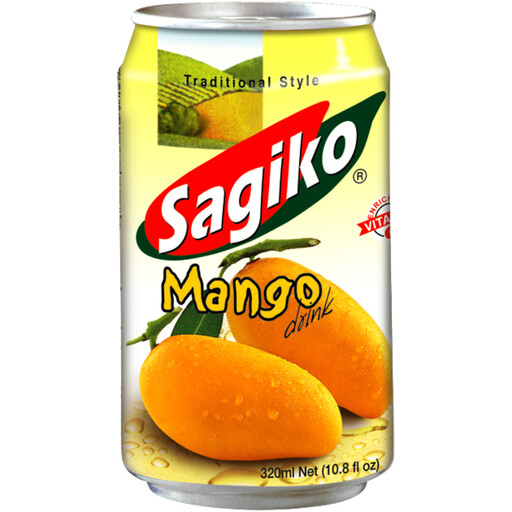
Why this fits the profile: A single 320ml can is practical if you want to try a mango drink first without buying a large multipack.
The ingredients list states mango puree, so you can distinguish it from a soft drink that only has mango flavouring.
320ml per can; 43.75 kcal and 11.9g sugar per 100ml according to the product information.
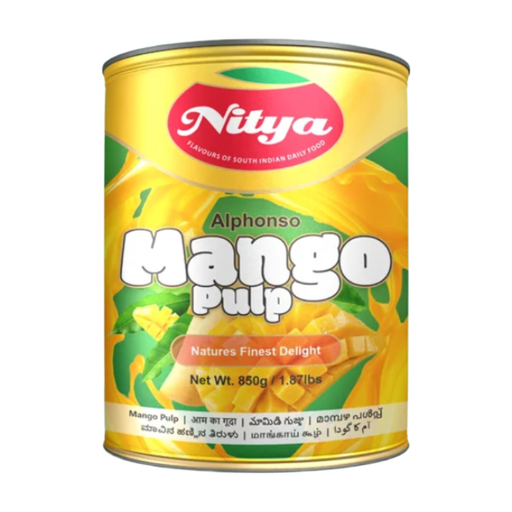
Why this fits the profile: This smooth pulp is ideal for home cooks who want one base product for lassi, ice cream, smoothies, shakes and baking.
The mango content and added sugar syrup are specified: 94% Alphonso mango pulp and 6% sugar syrup.
850g net weight; no stated allergens; refrigerate after opening and use within two days.
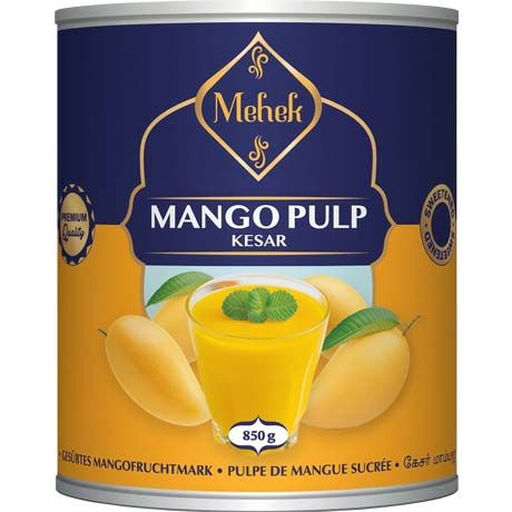
Why this fits the profile: The large pack size and smooth texture suit professional kitchens, baking enthusiasts and families who use mango regularly.
The product description lists ingredients, nutritional values and specific storage instructions after opening.
850g pulp; suitable for mango lassi, kulfi, ice cream, smoothies and baking recipes; stated as 80 kcal per 100g.
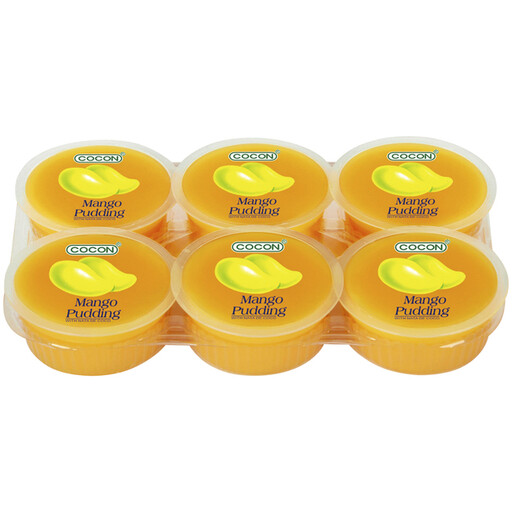
Why this fits the profile: The individual cups with spoons make this mango dessert ideal for lunchboxes, visitors and shared family moments.
You’re buying a ready-to-eat dessert with clearly stated milk allergens and nutritional values, rather than combining separate ingredients.
480g total; nata de coco in small jelly cubes; 15g sugar per 100g according to the product information.
We’ve put together a full, up-to-date list of products that fully meet these strict selection criteria and comply with current European safety regulations.
Mango pulp is thicker and generally contains more fruit solids, making it suitable for lassi, smoothies, desserts and sauces. Mango juice is more liquid and intended for drinking straight. With both products, check the ingredients list and any added sugar content.
This varies by product. Store opened tinned mango in the fridge, preferably in a sealed non-metal container, and follow the timeframe on the label. Fairtrade Mango Slices In Light Syrup, for example, states that the product should be refrigerated after opening and should not be left in the tin.
For a non-alcoholic option, you could choose mango soft drink, mango drink, mango kombucha or a dessert in portion cups. For cocktails, mango mojito and mango hard seltzer are practical choices, but always check the alcohol percentage and serve alcohol responsibly. With mango in syrup, also look at the drained weight if you’re using the product for several guests or a recipe.
