
Host serving lots of guests
You want to make lassi for several guests and are weighing up whether a tall jug, making it in batches or using a blender jug is best for the quantity.


A hand blender is a practical choice for making mango lassi in batches, or if you have a suitable tall jug. If you’re making a large quantity in one go, a blender with enough usable jug capacity may be more convenient. The Consumers’ Association points out that quantity and desired texture both matter. With a hand blender, also check the speed settings, whether there’s enough room to avoid splashes, and the cleaning instructions.
You want to make lassi for several guests and are weighing up whether a tall jug, making it in batches or using a blender jug is best for the quantity.
You want to blend ripe mango with yoghurt and care about controlling the mix and keeping splashes to a minimum.
You want to keep the washing-up to a minimum after your meal, so you’re looking at whether the blending foot detaches and checking the cleaning instructions.
The Consumers’ Association highlights serving size and desired texture as key differences between a hand blender and a blender. First decide whether you want to blend everything in one go, then consider speed settings and how easy it is to clean.
| What to consider | What to look for | Who is this important for? |
|---|---|---|
| Serving size | Check the usable capacity and shape of the jug, and decide whether you want to blend everything in one go or work in batches. | When I’m making lassi for a group, I want to know whether it’ll fit in my jug without filling it right to the top. Around 36% of consumers are mainly looking to make enough servings. |
| Texture and splashes | Look for adjustable speed and use a tall jug with room around the blending foot. Wattage alone won’t predict the result. | When I’m blending mango and yoghurt, I want to be able to start slowly and keep the blending foot below the surface. Around 29% of consumers are mainly looking for a smooth, controlled blend. |
| Cleaning | Check whether the blending foot detaches and which parts the manual says are dishwasher-safe. | After making a meal, I don’t want to wash up more parts than necessary. Ease of cleaning is the top priority for around 21% of consumers. |
| Attachments and use | Check which parts are included and whether you’d also use a whisk or chopper for other tasks. | If I want to use the hand blender for other tasks too, I want to know which attachments I really need. Around 14% of consumers mainly consider price and useful accessories. |
A recipe for several people may need more room than a small measuring beaker can offer. If the jug is too full, you may need to blend the lassi in several batches.
Work out how much you want to make and check the jug’s usable capacity. If necessary, choose a larger, suitable mixing jug or a blender jug.
Making extra batches also means more work and potentially more washing-up.
Wattage and a brand’s own terminology aren’t model-specific tests of how mango and yoghurt will turn out. In its tests, the Consumers’ Association assesses the result and preparation time separately.
Where available, compare test information for the exact model and check which ingredients and serving size it covers.
For lassi, blending is what matters; a whisk or chopper is designed for other tasks.
Choose a more comprehensive set only if you’ll also use those other functions.
Unused parts take up extra storage space and can mean more washing-up.
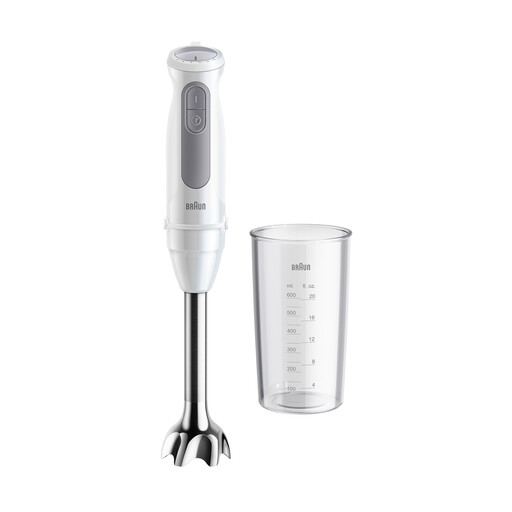
According to Braun, the MultiQuick 7 MQ7000X is a hand blender with stepless speed control and an included measuring beaker.
According to Bosch, the ErgoMixx MSM66120 combines 12 speed settings with a detachable metal blending foot and a chopper. The chopper is most useful if you also want to chop ingredients.
According to Kenwood, the Triblade HDP106WG is a hand blender with a metal blending foot and an included 700 ml beaker.
The Viva ProMix HR2653/90 is an example of a model with SpeedTouch control and a travel beaker; Philips says production of this model has stopped.
This selection includes blender jugs for several servings and hand blenders for blending in a jug or making smaller batches. Check whether the included beaker is large enough for the amount of lassi you want to make.
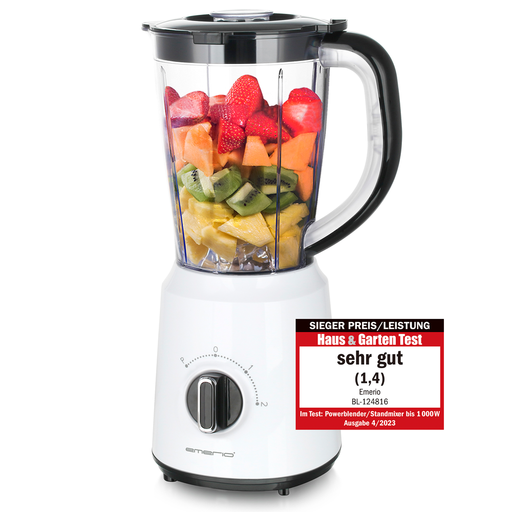 No image available
This jug blender is described as suitable for smoothies and several servings; the stated jug capacity is 1.5 litres.
The product information lists two speeds, a pulse function and detachable, dishwasher-safe parts.
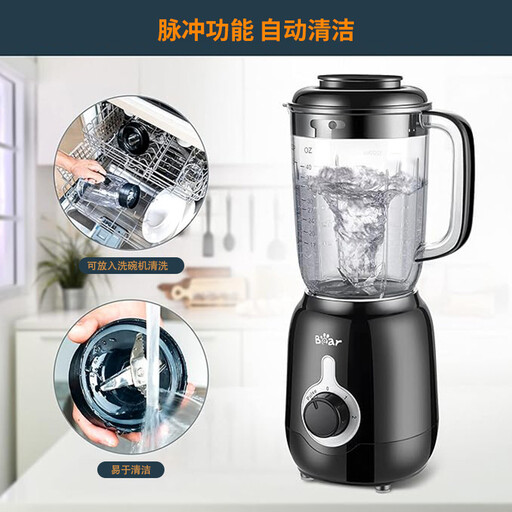 No image available
This countertop blender is described as suitable for smoothies and family-sized servings; the stated jug capacity is 1.2 litres.
The product information lists 500 W, two speeds, a pulse function and four stainless steel blades. It also describes a self-cleaning function using water and washing-up liquid.
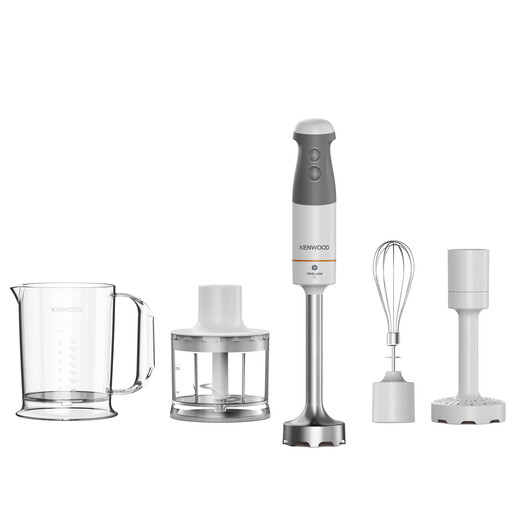 No image available
This hand blender is described as suitable for blending and puréeing; a blending attachment with a mixing beaker is included.
The product information lists 850 W, three blades and a BPA-free claim.
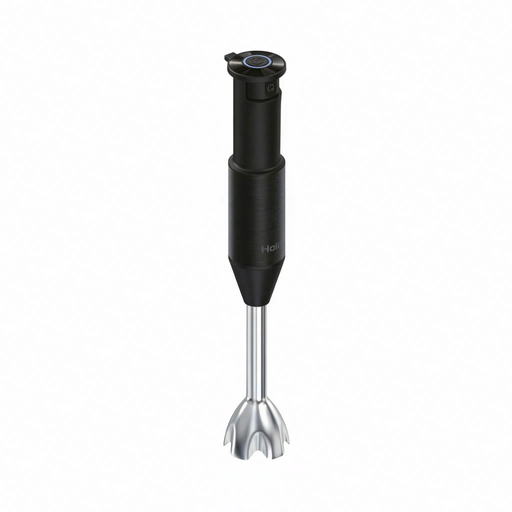 No image available
This model is described as suitable for smoothies and comes with a 0.9-litre beaker.
The product information lists a three-blade system and detachable parts.
 No image available
The variable speed control may suit you if you want to build up the blend gradually; the included mixing beaker is described as suitable for small batches.
The product information lists 21 speeds and dishwasher-safe parts. If you’re making lassi for a group, you may need to blend it in batches.
Yes, you can purée ripe mango and yoghurt with a hand blender. Use a suitable tall jug and, for larger quantities, make several batches if needed. A blender jug may be more convenient if you want to blend everything at once.
Place the blending foot at the bottom of the jug before switching the blender on. Unplug it before detaching and cleaning any parts, and follow the model’s instructions on dishwasher use.
Use clean utensils, take the yoghurt out of the fridge shortly before use and return any dairy products to the fridge straight afterwards. The Netherlands Nutrition Centre advises keeping perishable dairy products chilled; if your meal lasts a while, prepare portions that you can keep chilled.
Not necessarily. According to the Government of the Netherlands, statutory rights apply alongside any manufacturer’s warranty, and there is no fixed statutory warranty period. The retailer is your point of contact if there’s a problem, so compare what additional rights a paid warranty package actually offers.
Electrical kitchen appliances are subject to the relevant legal safety requirements. The Netherlands Food and Consumer Product Safety Authority describes the Low Voltage Directive as applying to electrical equipment with a rated AC voltage of 50 V to 1000 V; check which requirements apply to the specific model. According to the European Commission, a CE mark is a declaration by the manufacturer, not a separate EU safety approval.