
Vandaag of morgen in huis

Kwaliteit gegarandeerd

Welkomstaanbiedingen ontgrendelen: GRATIS bezorging | Tot 80% korting | Gratis 30 dagen JoyPlus-proefperiode
Download de app
Searching for the perfect bottle of mango juice? The shelves, both physical and online, are overflowing with tropical drinks all vying for your attention. But not every bottle with a sunny label delivers the taste experience you expect. Many consumers fall into common pitfalls, ending up with a watery mango drink or a sugar bomb.
As a Product Recommendation Officer at Joybuy, I'm here to help you see through the marketing hype. Before you decide which mango juice to buy, it's wise to be aware of a few misconceptions.
By paying attention to a few key specifications, you can effortlessly navigate the options and find a product that truly suits your taste.
To avoid disappointment, there are two objective factors you should always check on the label. These specifications give you an honest picture of what you're bringing home.
The amount of actual mango in your beverage is the most important indicator of quality and flavour. The terms aren't arbitrary; they are regulated.
Pro Tip: Always look for the percentage (%) of mango puree or juice on the ingredients list. This number says more than the picture on the front.
The order of the ingredients is telling. If water or sugar is listed first, it's the main component. If mango puree is at the top, you can expect a richer flavour. Also, pay attention to:
Not everyone is looking for the same thing in a mango drink. Below are a few popular choices, matched to different desires and user profiles.
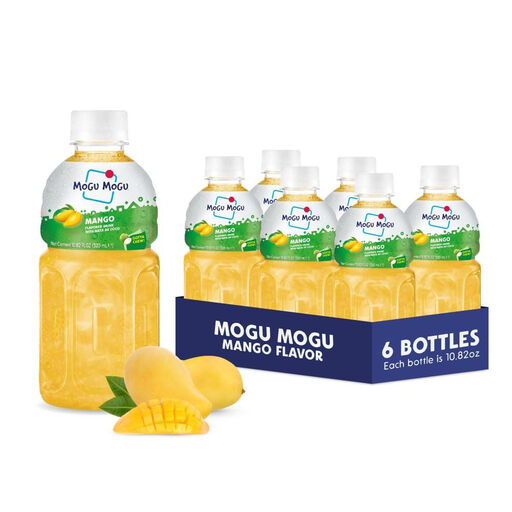
Why This Fits Their Persona: Perfect for those looking for more than just a drink. The combination of sweet mango flavour with the chewy nata de coco (coconut jelly) makes this a unique, playful experience that's popular with young adults wanting to try new Asian flavours and textures.
This product sidesteps the 'texture surprise' pitfall by making the nata de coco its central selling point. You know exactly what you're getting: a drink and a snack in one.
Unique texture: Contains 25% nata de coco for a chewable experience. Convenient portions: Packed in 320 ml bottles, ideal for on the go.
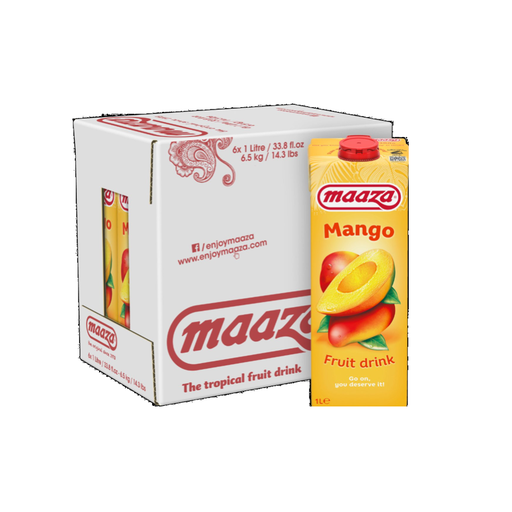
Why This Fits Their Persona: For those who seek an authentic, full, and sweet mango flavour reminiscent of the tropics. Maaza is an established name known for its consistently rich taste, ideal for fans of Indian and Caribbean cuisine or anyone who wants a quality mango drink.
This product avoids the 'fruit juice illusion'. Although it's a 'drink', its base is 17% mango puree, which provides a much fuller flavour than drinks that rely solely on a small percentage of concentrate and aromas.
Rich flavour: Made from a substantial amount of mango puree. Bulk packaging: The value pack of 6x1 litre is convenient for families or for stocking up.
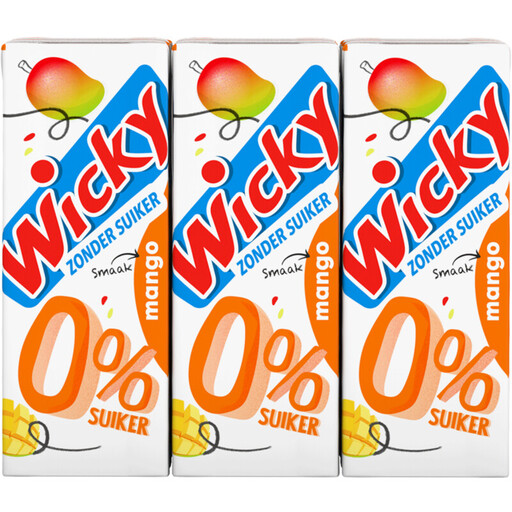
Why This Fits Their Persona: Ideal for families and parents looking for a responsible treat for their children. The convenient single-serving cartons are perfect for a school lunchbox or for on the go, and the well-known Wicky brand name provides a sense of trust.
This product directly addresses the 'sugar trap'. It is an explicitly sugar-free mango drink, sweetened with sucralose and acesulfame-K. This allows children to enjoy a sweet drink without the downsides of sugar.
No sugar: Contains less than 0.1 grams of sugar per 100 ml. Low in calories: At only 1 kcal per 100 ml, it's a light choice. Convenient cartons: The 200 ml cartons are ideal for kids.
We have compiled a complete, up-to-date list of products that meet these objective selection criteria and current regulations.
The term "mango juice" is legally protected and can only be used for products that consist of 100% fruit juice (possibly from concentrate). A "mango drink" or "nectar" contains a lower percentage of fruit, supplemented with water, sugar, and/or other ingredients. Always check the fruit content on the label for an honest picture.
Nata de coco is a translucent, jelly-like substance with a slight chew, made from fermented coconut water. It is often added to Asian tropical drinks to create a unique texture and drinking experience. Brands like KATO and Mogu Mogu are known for this.
Once opened, mango juice or drink should always be stored in the refrigerator. Seal the container tightly. Most products can be kept for a few days (usually 3 to 5) after opening. Always consult the instructions on the packaging for the manufacturer's specific storage guidelines.
