
Vandaag of morgen in huis

Kwaliteit gegarandeerd

Welkomstaanbiedingen ontgrendelen: GRATIS bezorging | Tot 80% korting | Gratis 30 dagen JoyPlus-proefperiode
Download de app
A mango drink might seem simple to choose at first glance. Yet products vary greatly in mango content, sugar levels, size and texture. A bottle with a tropical image doesn't automatically contain lots of mango. Words like "fruity", "natural" or "light" also say little without checking the ingredients list and nutritional information.
Pay particular attention to these common pitfalls:
Look at the ingredients in order of quantity. If water comes first and mango appears further down, it's a fruit drink with water as the main ingredient. That's not a bad thing, but the taste and composition are different from a product with a higher mango content.
Examples from the range:
A product with apple, pineapple or passion fruit may taste less distinctly of mango. According to the label, DubbelDrank Mango Passion Fruit contains, among other things, 5% mango and 2.5% passion fruit, alongside apple. That suits anyone looking for a blended tropical drink rather than pure mango juice.
Always compare the table per 100 ml. This way you can fairly compare a 250 ml mango drink with a 1 litre mango drink.
Look out for the difference between:
Nexba Kombucha Mango states 2 kcal and 0 grams of sugar per 100 ml. The ingredients list mentions, among other things, fermented kombucha, erythritol and steviol glycosides. According to the product description, the drink contains live cultures; this is a claim from the product information and not a medical statement.
For daily use, a 1 litre bottle is handy for breakfast or a family meal. Once opened, the product should be kept refrigerated according to the packaging and used within the stated period.
Smaller packs are practical for on the go:
If you enjoy a special drinking experience, you could choose mango nata de coco. According to the product information, Tropical Nata de Coco Mango contains 22% nata de coco and 5% mango from concentrate. The soft, slightly chewy pieces change the texture. Gently shake the bottle if the label says so, and check that the wide opening is suitable for the product.
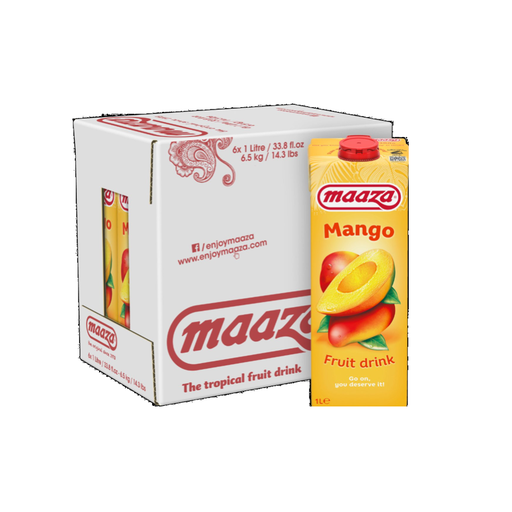
Why this fits the profile: The pack of six 1 litre bottles is suitable for households that regularly serve a tropical fruit drink and want to stock up.
The size makes the cost per serving clear and stops you from paying only for small individual bottles. Do check your available storage space.
17% mango purée, 1 litre per bottle and 46 kcal per 100 ml according to the product information.

Why this fits the profile: This multipack is aimed at those looking for a higher mango content and a clear choice with no added sugar.
The product information states 30% mango juice and no added sugar. Always check the current label before buying and be aware of the sweetener used.
12 cans of 330 ml, 30% mango and 17 kcal per 100 ml according to the product description.
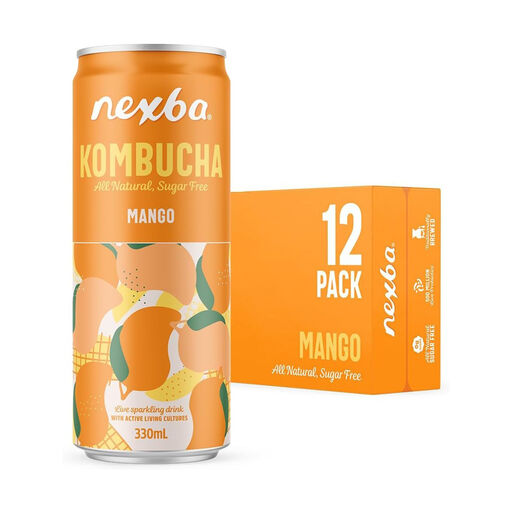
Why this fits the profile: A suitable option for those who don't want classic mango juice, but a fizzy mango drink with a kombucha flavour and low energy per 100 ml.
The nutritional values are clearly stated: 2 kcal and 0 grams of sugar per 100 ml. The taste isn't a classic sweet mango juice, but a fermented, fizzy drink.
330 ml per can, fizzy, with kombucha and sweeteners such as erythritol and steviol glycosides according to the ingredients list.
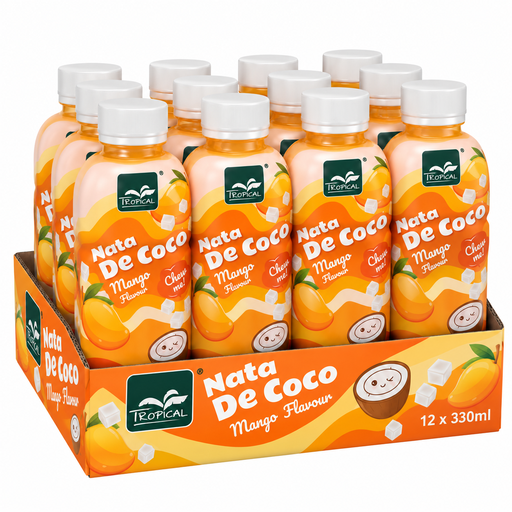
Why this fits the profile: The combination of mango and nata de coco suits anyone who wants to serve an Asian mango drink with soft, chewy pieces.
The label specifically mentions 22% nata de coco and 5% mango from concentrate. This means you know in advance that the texture is a key part of the drink.
12 bottles of 330 ml, nata de coco and 22 kcal per 100 ml according to the product information.
We've put together a full, up-to-date list of products that fully meet these strict selection criteria and current European safety regulations.
Mango juice consists of mango juice or purée, possibly from concentrate. A mango fruit drink often contains water, sugar or sweeteners and sometimes other fruit juices. Check the mango content and the full ingredients list rather than just the product name.
Iam Superjuice states 30% mango juice and no added sugar, but according to the product information it uses steviol glycosides. Nexba Kombucha Mango states 0 grams of sugar per 100 ml and uses, among other things, erythritol and steviol glycosides. If you want to avoid sweeteners, check the label on each product.
Always follow the instructions on the packaging. For the chilled fruit drinks mentioned, the general rule is: after opening, keep refrigerated, seal tightly and drink within the stated period. Before opening, store a mango drink multipack in a cool, dry place away from direct sunlight.
