
Vandaag of morgen in huis

Kwaliteit gegarandeerd

Welkomstaanbiedingen ontgrendelen: GRATIS bezorging | Tot 80% korting | Gratis 30 dagen JoyPlus-proefperiode
Download de app
A mango drink may seem easy to choose: pick up a bottle, can or multipack with a tropical image and you’re done. In practice, mango fruit drinks, mango juice and mango soft drinks can differ considerably in ingredients, size and sugar content. If you only look at the front of the packaging, you may end up paying for a product that contains less mango than expected or is not suitable for how you plan to use it.
The following checks will help you choose the right mango drink for your home, meals, parties or when you’re out and about.
A large mango on the label does not automatically mean that the product contains a high proportion of mango. So check the ingredients list and look for terms such as mango purée, mango juice from concentrate or mango juice. The percentage is not shown in the same place on every product, but whenever a mango ingredient is highlighted, the composition should provide clear information.
For comparison, Maaza Mango Drink lists 17% mango purée, while Rubicon Mango Drink 330 ml lists 8% mango purée. A drink with mango flavouring may therefore taste different from a product in which purée or juice concentrate plays a greater role.
When choosing a sugar-free mango drink, it is important to check both the nutrition table and the ingredients. Sourcy Vitamin Water Mango Guava lists 0 grams of sugar per 100 ml and contains, among other ingredients, cyclamate, acesulfame K and sucralose. According to the product information, Wicky Mango Fruit Drink contains less than 0.1 grams of sugar per 100 ml and also uses sweeteners.
This may suit people who want to limit their sugar intake, but the flavour and sweetness will be different from those of a mango drink containing sugar. “No added sugar” means that no sugar has been added; without further checks, it does not mean that the product contains no carbohydrates or sweeteners.
A 1-litre mango drink is useful with a family meal, but once opened, the packaging will generally need to be refrigerated and consumed within the stated period. For individual use, a can of mango drink or small bottles may be more practical. A box of 24 is useful for stocking up or for a party, but only if you will actually use the full volume before the best-before date.
First, check exactly what you are buying:
Also look out for additions such as nata de coco. KATO Mango Juice with Nata de Coco contains pieces of coconut jelly, giving it a different drinking experience from a smooth mango juice.
Always compare nutritional values per 100 ml, rather than just per bottle or can. Some listed values are:
For functional drinks, also check any additional ingredients. Sourcy, for example, lists vitamins, magnesium, guarana extract and caffeine flavouring. This is product information, not a reason to present any effects or health benefits as established facts. According to the product labelling, it is a drink containing these added ingredients.
Choose the size based on how you intend to use it:
Also compare the total volume. A pack containing 12 cans of 330 ml holds 3.96 litres, while six 1-litre bottles provide 6 litres in total. The lowest price per pack is therefore not automatically the lowest price per litre.
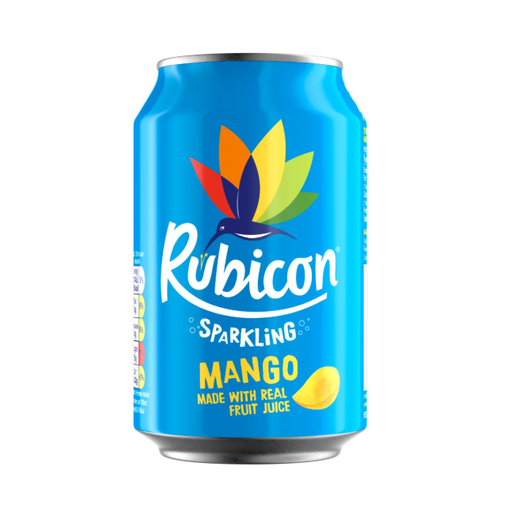
Why it suits this profile: The compact size makes it easy to try without committing to a large multipack straight away. The drink is carbonated and contains 8% mango purée according to the product information.
The stated mango content and nutritional values are clearly provided, so you do not have to rely solely on the packaging.
330 ml per bottle, carbonated and 20 kcal per 100 ml according to the product details.
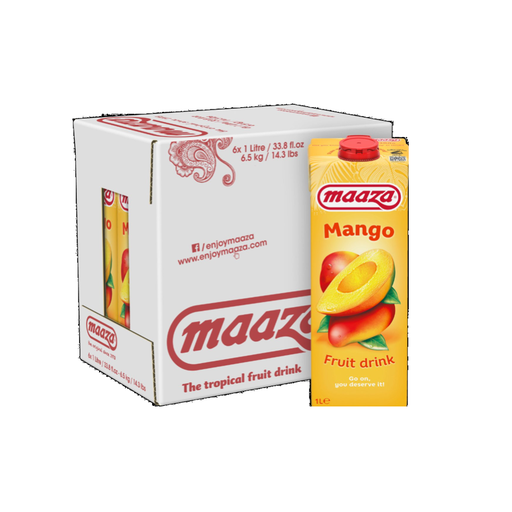
Why it suits this profile: The 1-litre bottles are suitable for use at home, with breakfast and at meals shared by several people. According to the product information, the drink contains 17% mango purée.
The stated percentage of mango purée makes the composition easier to compare than that of a product that simply highlights a mango flavour.
6 x 1 litre, 17% mango purée and 46 kcal per 100 ml according to the stated nutritional information.

Why it suits this profile: This multipack is intended for people who regularly want to take, serve or keep a small portion in stock. The product description lists 30% mango juice and no added sugar.
The label states both the mango content and the sweetener used, so “no added sugar” is not the only factor to consider.
12 cans of 330 ml, 30% mango juice and 17 kcal per 100 ml according to the product information.
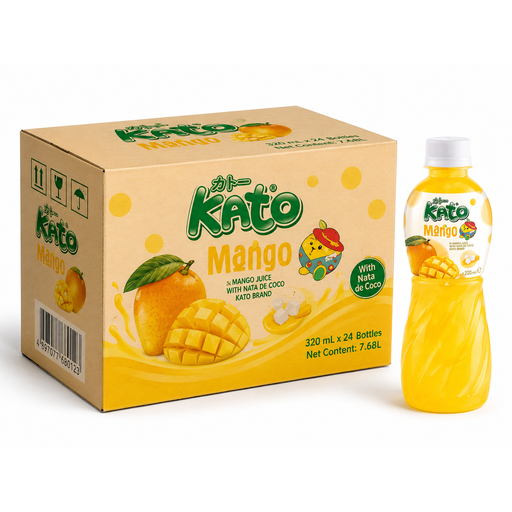
Why it suits this profile: The combination of mango juice and nata de coco is ideal for fans of international and Asian mango drinks with a noticeable texture.
Nata de coco is clearly stated in the product name and ingredients list. You therefore know in advance that this is not a completely smooth mango drink.
24 packs of 320 ml, with coconut jelly and 49 kcal per 100 ml according to the stated nutritional information.
We have put together a complete, up-to-date list of products that fully meet these strict selection criteria and the applicable European safety regulations.
Always check the following before paying:
Mango juice refers to a product in which mango juice or purée forms the base. A mango fruit drink often also contains water, sugar, acidity regulators, flavourings or stabilisers. The exact composition varies by brand, so check the mango percentage and ingredients list.
Sourcy Vitamin Water Mango Guava lists 0 grams of sugar per 100 ml. Wicky Mango Fruit Drink lists less than 0.1 grams of sugar per 100 ml. According to the product description, Iam Superjuice Mango Drink is made without added sugar. These drinks may still contain sweeteners, so check the label if you want to avoid them.
Generally, keep an opened mango drink in the fridge and follow the timeframe on the packaging. Seal the bottle or carton securely. With cans, it is best to drink the contents straight away or pour them into a sealed bottle. Always check the packaging before use and do not consume a product if the seal is damaged.
