
Vandaag of morgen in huis

Kwaliteit gegarandeerd

Welkomstaanbiedingen ontgrendelen: GRATIS bezorging | Tot 80% korting | Gratis 30 dagen JoyPlus-proefperiode
Download de app
Buying a mango drink might seem straightforward, but the differences between fruit drink, mango juice, fizzy pop and mango nectar are significant. A bottle can have a strong mango flavour without containing much mango. What’s more, “no added sugar” doesn’t automatically mean a drink is low in carbohydrates. And a multipack is only good value if the contents and shelf life suit how you’ll use it.
With these practical checks, you can compare mango drinks based on verifiable information, without being swayed by a flashy label alone.
Always check the ingredients list. With Maaza Mango Drink, the product information states the drink contains 17% mango purée. Rubicon Still Mango Deluxe lists 19% mango purée, while Rubicon Mango Drink contains 8% mango purée. These are clear differences in composition, even though all the packaging features a prominent mango reference.
A mango fruit drink may also contain apple, grape or other fruit juices. With DubbelDrank Mango Passion Fruit, the total fruit content is at least 38% according to the product information, but of that 5% is mango and 2.5% is passion fruit; the largest proportion comes from apple.
With a sugar-free mango drink, you need to look at the nutritional information table. Wicky Mango Fruit Drink states less than 0.1 grams of sugar per 100 ml and uses sweeteners. Iam Superjuice Mango Drink says “no added sugar”, 30% mango juice and 17 kcal per 100 ml. That’s a different product positioning from a regular fruit drink with added sugar.
Also watch out for terms like “light”, “zero” or “no added sugar”. They don’t automatically tell you how much mango is in it, how sweet the taste is, or which sweeteners have been used.
Don’t just compare the promotional price of a mango drink deal. Work out the price per litre and look at the total quantity. A 320 or 330 ml can is handy for individual use, while a multipack of 6 x 1 litre is better suited to a family. A large carton is less practical if you drink it slowly and need to keep it chilled after opening.
First, look at the order of the ingredients. Water is near the top of the list for many drinks, followed by juice, purée, sugar, acidity regulators, flavourings and stabilisers. A higher mango content can indicate a fruitier composition, but it doesn’t determine the flavour alone.
Examples from the range:
Always compare the values per 100 ml. This stops a small can from looking more favourable simply because of the smaller serving size. The differences are considerable:
A mango energy drink is therefore a separate category. According to the product information, Monster contains a high level of caffeine and is not recommended for children, pregnant women, breastfeeding women or people sensitive to caffeine. Check the packaging for current warnings.
A mango drink multipack is convenient for stocking up, but pay attention to the format:
After opening, several product instructions advise keeping the drink chilled and using it within the stated period. Also always check the packaging for any discrepancies in nutritional information. With HATAKOSEN Ramune, for example, sugar and glucose-fructose syrup appear in the ingredients list, while the stated table shows 0 grams of sugar. The label on the delivered product is what counts.
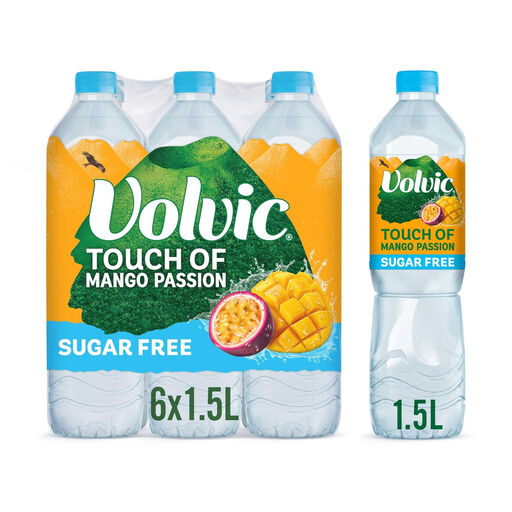
Why this fits the profile: The large pack is suitable for households wanting to stock up and looking for a light mango and passion fruit drink.
The product information states 0 grams of sugar and 1 kcal per 100 ml. You can therefore compare the large volume directly on usage and price per litre.
6 bottles of 1.5 litres; mango and passion fruit flavour; natural mineral water base according to the product listing.

Why this fits the profile: The combination of 30% mango juice, a multipack and a stated energy value of 17 kcal per 100 ml makes this suitable for those who weigh up product details carefully.
The product listing mentions both the mango content and “no added sugar”. So you don’t have to rely solely on the front of the can.
12 cans of 330 ml; 30% mango juice according to the product description; sweetened with steviol glycosides.
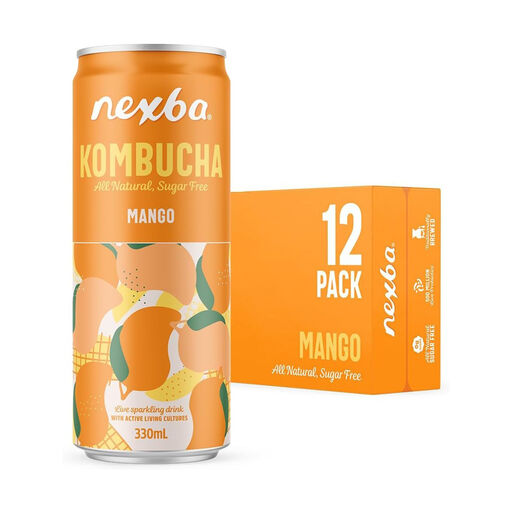
Why this fits the profile: This mango kombucha is aimed at those looking for a fizzy drink with fermented ingredients and a different flavour experience.
The product information states 0 grams of sugar and 2 kcal per 100 ml. The drink is also clearly described as kombucha, not as ordinary mango juice.
12 bottles of 330 ml; sparkling; contains fermented kombucha and live cultures according to the product information.
We’ve put together a full, up-to-date list of products that fully meet these strict selection criteria and comply with current European safety regulations.
Mango juice consists of juice or purée from mango, possibly from concentrate. A mango fruit drink may also contain water, sugar, other fruit juices, flavourings and sweeteners. So check the fruit percentage and the ingredients list rather than just the product name.
That varies by product. Volvic Touch of Fruit Mango Passion and Nexba Kombucha Mango state 0 grams of sugar per 100 ml. Wicky Mango Fruit Drink states less than 0.1 grams. Always check the current packaging, as recipes and labels can change.
Follow the instructions on the label. For many products: keep refrigerated after opening, seal tightly and use within the stated period. Unopened drinks should generally be stored in a cool place out of direct sunlight. With glass bottles and large multipacks, extra care with breakage and storage space is wise.
