
Vandaag of morgen in huis

Kwaliteit gegarandeerd

Welkomstaanbiedingen ontgrendelen: GRATIS bezorging | Tot 80% korting | Gratis 30 dagen JoyPlus-proefperiode
Download de app
An even complexion and daily protection against UV rays sound like a logical combination in one product. However, make-up with SPF is not automatically a replacement for proper sun cream. The amount of foundation or tinted moisturiser you normally apply is often less than the amount used to determine the SPF shown on the label.
That is why it pays to look beyond a high number on the packaging. Also consider coverage, shade, skin type, ingredients and how you use the product.
A foundation with SPF 15, SPF 20 or SPF 25 can complement your daily routine. For longer exposure to the sun, a separate product protecting against UVA and UVB is a wiser choice. Apply plenty of face sun cream under make-up and allow it to absorb first.
According to the product information, an SPF 50 face product offers a higher stated protection factor than SPF 30, but applying enough and reapplying remain important in both cases.
A “natural finish” can feel comfortable on dry skin, but may become shiny more quickly on oily skin. A matte formula may be more comfortable for a shiny T-zone, while dry skin may benefit from hydrating make-up.
Therefore, check whether the product is described as oil-free, hydrating, mineral-tinted or suitable for sensitive skin. Do not treat brand promises about improving the skin as a guarantee. According to the brand’s own research, certain ingredients or formulas may produce a visible effect, but that does not automatically indicate how your skin will react.
A colour such as “Golden”, “Honey”, “Dune” or “Opal” is not standardised. Test the colour in daylight and check that the shade matches both your face and neck. A colour-correcting primer, such as mint green or violet, is designed to alter the appearance of the complexion optically and generally offers less coverage than a foundation.
Start by considering the product’s purpose:
SPF primarily indicates protection against UVB rays. Therefore, also check whether UVA protection is explicitly stated on the packaging or product page. When exposed to the sun intensely, while exercising or when swimming, reapplying and using additional protection, such as a hat, are important.
Light coverage allows more of your natural skin to show through and is often comfortable for work or everyday use. Medium coverage evens out redness and uneven colouring more effectively. A buildable formula gives you more control than a product that looks heavy straight away.
Look out for these terms:
If your skin reacts quickly to cosmetics, it is worth checking the ingredients list. Fragrances, alcohol, UV filters or preservatives may be less suitable for some users. “Hypoallergenic”, “dermatologically tested” and “non-comedogenic” are product claims; they are not a personal guarantee.
If you have sensitive skin, you can first try a small amount on a limited area of skin. Stop using the product if irritation occurs and follow the safety information on the packaging.
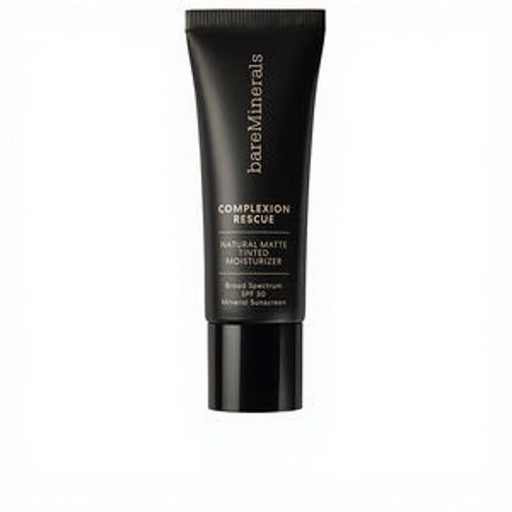
Why it suits this profile: This tinted moisturiser combines light coverage with SPF 30 and a natural matte finish, so you do not immediately need a separate foundation.
The product information states that it offers light, buildable coverage and an oil-free matte finish. This makes the choice clearer than with a product making only a general “glow” claim.
SPF 30, 35 ml, tinted moisturiser and, according to the product information, suitable for oily, sensitive or blemish-prone skin.
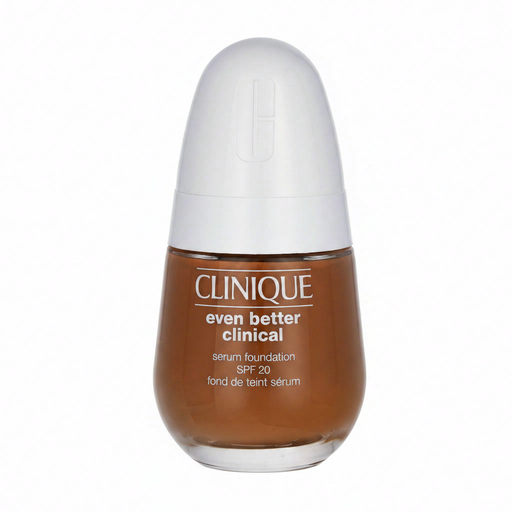
Why it suits this profile: If you are looking for more coverage, the product description states that this liquid foundation offers medium to full coverage and a natural finish.
SPF 20 is clearly stated, so you do not need to confuse this foundation with an SPF 30 or SPF 50 product.
Oil-free liquid formula, 30 ml and, according to the product information, with hyaluronic acid, salicylic acid and vitamin C plus UP302.
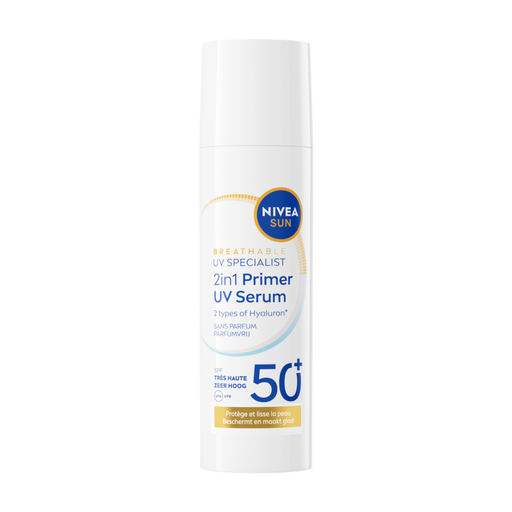
Why it suits this profile: This is not a tinted foundation, but a face sunscreen and primer serum for anyone who wants to apply protection first and then use make-up.
The SPF 50+ and UVA/UVB statement make its protective function clearer than that of a foundation with a lower SPF.
SPF 50+, fragrance-free formula, 30 ml and, according to the product information, lightweight, non-greasy and suitable as a base under make-up.
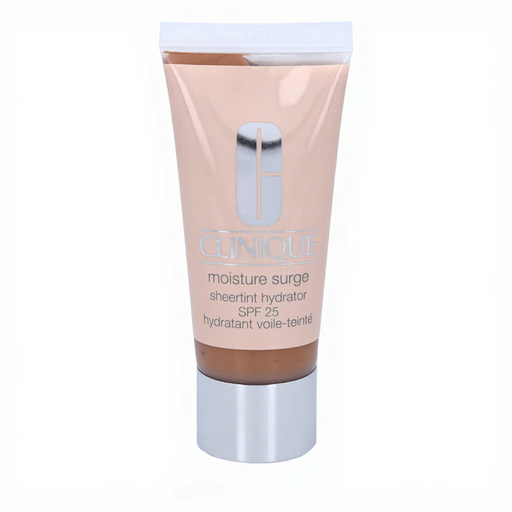
Why it suits this profile: The light tint, oil-free formula and hydrating positioning suit anyone looking for a fresh, lightweight base.
The product description states that it offers light coverage and a universal medium shade. Even so, check that this colour suits your own undertone.
SPF 25, 40 ml, oil-free and, according to the product information, with hyaluronic acid and activated aloe water.
We have put together a complete, up-to-date list of products that fully meet these strict selection criteria and the applicable European safety regulations.
A powder with SPF can be useful for a small touch-up, but it generally does not replace a generous first layer of sun cream. Also always check the product’s shelf life, the period-after-opening symbol and the specific usage instructions on the packaging.
That depends on the amount applied, your exposure to the sun and the stated UVA/UVB protection. For short periods of everyday exposure, make-up with SPF can be a useful addition. If you spend a lot of time outdoors, a separate face sunscreen is more practical.
Yes. Choose a fast-absorbing formula that does not feel sticky and allow it to absorb before applying make-up. A primer serum with SPF 50+ may work well for this, but follow the quantity and reapplication instructions on the label.
Shelf life varies from product to product. Check the packaging for the expiry date or the open-jar symbol, such as 12M or 24M. Store cosmetics in a cool, dry place away from direct sunlight. Has the smell, texture or colour changed? Stop using the product.
