
Vandaag of morgen in huis

Kwaliteit gegarandeerd

Welkomstaanbiedingen ontgrendelen: GRATIS bezorging | Tot 80% korting | Gratis 30 dagen JoyPlus-proefperiode
Download de app
A make-up remover should do more than just wipe away colour pigments. Waterproof mascara, SPF, foundation and sebum all adhere to the skin differently than, say, powder. Yet many shoppers choose based on a promise on the front of the packaging. That can lead to a product that stings around the eyes, leaves a greasy layer, or conversely gives a tight, uncomfortable feeling on the skin.
So watch out for three common pitfalls:
The right choice starts with the type of make-up you wear and your skin type. Always check the ingredients list and the usage instructions on the packaging too.
For eye make-up, a gentle texture and controlled application are important. A waterproof make-up remover often contains oily or solvent-based ingredients that break down mascara. Leave the cotton pad on your closed eye for a few seconds, then gently wipe downwards. This reduces the need for mechanical friction.
Contact lens wearers can look for a product description that mentions suitability for contact lenses and ophthalmological testing. This remains a product feature, not a guarantee that everyone can use it without a reaction.
Micellar water is a liquid that’s usually applied with a cotton pad. It’s handy for a quick cleanse of the face and eyes, and some formulas are suitable for removing SPF and waterproof make-up. Check whether rinsing is required. For sensitive skin, a fragrance-free make-up remover can be a logical first choice.
NIVEA Soothing Micellar Water is described as being for sensitive skin and contains, among other ingredients, glycerine, panthenol and an amino acid complex. The brand states it has a fragrance-free formula and has undergone ophthalmological testing. View the product information for NIVEA Soothing Micellar Water for the full ingredients list and instructions for use.
A cleansing oil and cleansing balm are typically applied to dry skin. They dissolve make-up and sebum, and often turn into a milky emulsion when they come into contact with water. You then rinse the product off with lukewarm water.
A balm is firmer and more travel-friendly, while an oil spreads quickly over the face. Do watch out for fragrances if your skin or eyes are sensitive to them. BANILA CO Clean It Zero contains fragrance according to the listed ingredients. That doesn’t automatically make it unsuitable, but it is something to check beforehand.
A cleansing milk usually has a creamy texture and is often chosen by people with dry or sensitive skin. NIVEA Essentials Soothing Cleansing Milk is described as being for dry and sensitive skin and contains, among other things, argan oil, glycerine and sodium hyaluronate. The formula also contains fragrance, meaning this product isn’t the same choice as a fragrance-free make-up remover.
Don’t just look for the word “waterproof”; look at the intended use. An eye make-up remover is specifically designed for eyelids and lashes. A facial cleanser or cleansing oil is usually more versatile for foundation, SPF and excess sebum.
With a two-phase product, you need to shake the bottle before use. With an oil or balm, you work with dry hands on a dry face and then add water. Using the right method prevents you from using more product or having to rub harder.
If you react quickly to cosmetics, you can look out for:
A product claim from a brand isn’t a universal guarantee. Formulations like “hypoallergenic”, “tested” or “suitable for sensitive skin” should therefore be considered alongside the ingredients list and your own experience using it.
A 400 ml bottle might seem good value, but the cost per use depends on how much you need for each cleanse. A 75 ml or 125 ml product can actually be handy if you’re only removing eye make-up or have limited space.
Also check the shelf life information on the packaging. Use the product within the stated period after opening and close the bottle or jar properly. A pot of cleansing balm also requires hygienic handling with the supplied spatula or clean hands.
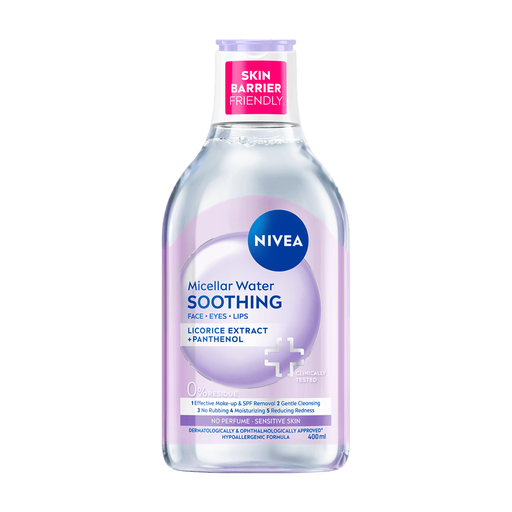
Why this fits the profile: The liquid formula and 400 ml volume are practical for daily use on the face and closed eyes.
According to the product description, the formula is fragrance-free and intended for sensitive skin, giving you a concrete selection point upfront.
400 ml volume; contains glycerine and panthenol according to the ingredients list; no rinsing required according to the instructions for use.
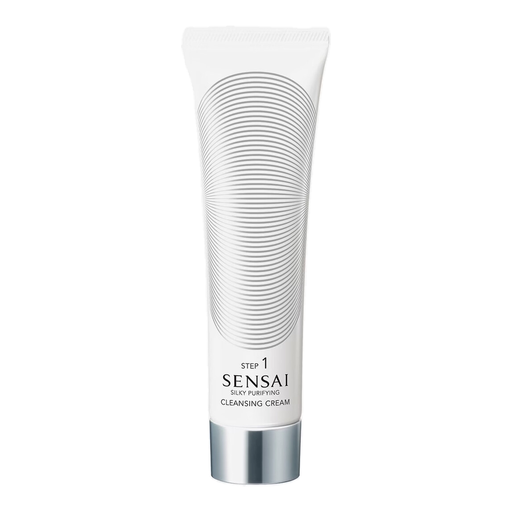
Why this fits the profile: This cleansing cream is described in the product information as the first step of a double cleansing routine.
The product description makes it clear that step 1 tackles oily impurities such as make-up and sebum; a second cleanser is then needed for water-soluble dirt.
Cream texture; 125 ml; sulphate, colourant and paraben-free according to the product specifications.
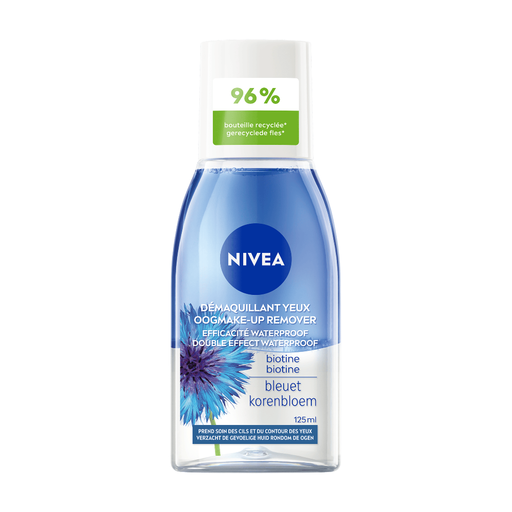
Why this fits the profile: Aimed at users who primarily want to remove waterproof mascara and eye make-up.
According to the product description, this remover is specifically developed for waterproof eye make-up. The bottle should be used as instructed on the packaging.
125 ml; suitable for contact lens wearers according to the product information; ophthalmologically tested according to the brand’s statement.
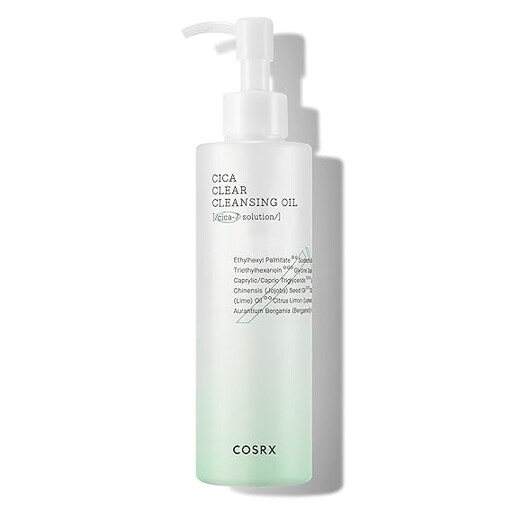
Why this fits the profile: The oil is intended as a first cleansing step to break down make-up, SPF and excess sebum.
The instructions clearly describe using it on a dry face, followed by emulsifying with water. This helps to minimise any oily residue.
200 ml; light oily texture according to the product description; suitable for combining with a water-based cleanser.
We’ve put together a full, up-to-date list of products that fully meet these strict selection criteria and comply with current European safety regulations.
Stop if you experience stinging, redness, itching or swelling. If the product gets in your eyes, rinse with water and follow the safety information on the packaging. If symptoms persist, seek medical advice.
Micellar water is a liquid and is usually used with a cotton pad. A cleansing oil is massaged onto dry skin and then emulsified with water. For waterproof mascara and heavy make-up, an oily formula can be practical; for a quick daily cleanse, many people choose a micellar water.
Not always. With light make-up, one product can be enough if your skin feels clean. After waterproof make-up, SPF or if you have oily skin, double cleansing can help: first an oil or balm, then a water-based cleanser. Always follow the instructions for the product you’ve chosen.
Check the expiry date and the open-jar symbol on the packaging. The period after opening varies from product to product. Store a make-up remover sealed, out of direct sunlight and according to the manufacturer’s instructions. That’s more important than just relying on the purchase date.
