
Vandaag of morgen in huis

Kwaliteit gegarandeerd

Welkomstaanbiedingen ontgrendelen: GRATIS bezorging | Tot 80% korting | Gratis 30 dagen JoyPlus-proefperiode
Download de app
Make-up powder can reduce shine, set foundation and create a more even-looking complexion. However, not every face powder is suitable for the same purpose. A translucent setting powder, for example, can be useful over foundation, while a powder foundation adds coverage. If you focus only on colour, packaging or a promise such as “perfect all day”, you could end up with a dry, patchy or overly dark finish.
Pay particular attention to the formula, colour, coverage and application method. Below, you’ll discover the pitfalls to watch out for and which product specifications can help you make a more informed choice.
A translucent powder may look neutral in the compact, but can still leave a slight cast on some skin tones. A cool-toned or highly light-reflective formula can make the complexion appear paler, in particular. Check whether the product is genuinely colourless or has a subtle undertone.
According to the product description, the rom&nd Transparent Veil Powder 02 Moonlight Veil is described as translucent with a cool undertone. The shade is therefore not completely tone-free: the finish may create a cool, light-reflective effect.
A mattifying powder can reduce excess sebum in the T-zone, but applying too many layers can look dry or settle into fine lines. The term “lightweight” also does not indicate how much coverage the product provides. So look at the product type: loose powder is generally designed for setting, while powder foundation contains more pigment.
Apply powder in a thin layer where possible, adding an extra layer only where needed. This allows your skin’s texture to remain visible and helps prevent your make-up from looking cakey.
Brands may mention long wear, waterproof performance or pore-blurring effects. Do not present such claims as a guarantee for every user. According to essence’s own product information, the Fix & Last powder can help set make-up for up to 14 hours. The final result, however, depends on your skin type, primer, foundation, amount of powder and conditions such as heat or humidity.
First, choose the effect you want:
Also pay attention to the undertone. A beige product with a warm undertone may look very different from a cool, translucent powder. Ideally, test it in daylight and check the transition along your jawline too.
Check the ingredients list on the packaging, particularly if you have reacted to cosmetics in the past. Product information can change. Do not use powder on damaged, red or irritated skin, and avoid contact with the eyes. Stop using the product if redness, itching or irritation occurs.
The products in this selection contain between 8 and 10 grams. This may seem comparable, but usage varies: loose powder is often applied thinly with a brush, while a pressed product can be applied more intensively to specific areas with a sponge.
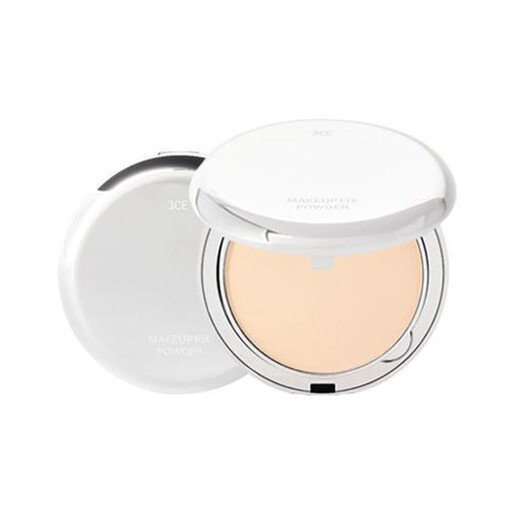
Why it suits this profile: This pressed setting powder contains 9 grams and is designed to set make-up lightly. The clear shade is practical for a simple everyday routine.
The product information clearly states the product type and amount, without combining complicated coverage and bronzing claims.
Compact format, 9-gram contents and a shade that, according to the product listing, is intended for setting make-up.
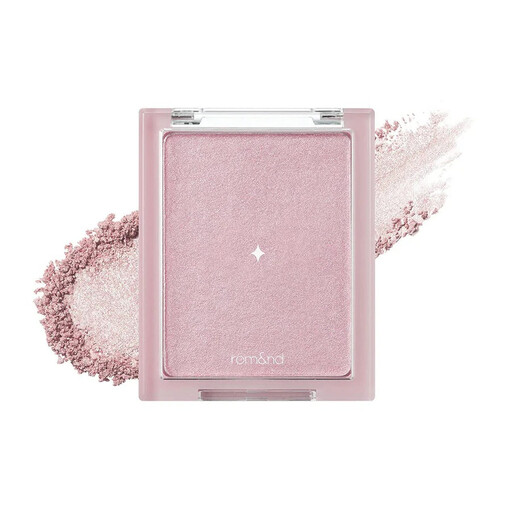
Why it suits this profile: If you’re looking for a light, refined finish, this product offers an ultra-fine powder in compact packaging with a mirror for touch-ups on the go.
The colour is explicitly described as translucent with a cool undertone. This means you know in advance that “translucent” here may create a subtle, cool light-reflective effect.
Ultra-fine formula, compact case with mirror and a cool translucent shade.
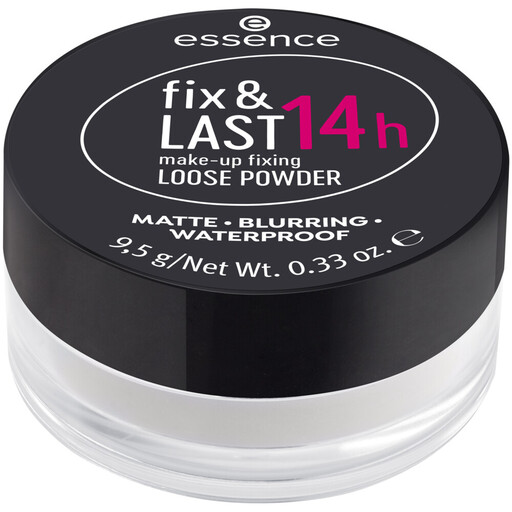
Why it suits this profile: This loose powder is designed to set make-up and reduce shine. It’s well suited to long working days, events or anyone who wants to touch up their T-zone regularly.
The loose formula allows you to apply a thin layer with a brush or puff. The stated 14 hours is a claim from essence’s product information, not a fixed guarantee for every skin type.
9-gram loose powder, matte finish and, according to the product description, waterproof and oil-free.
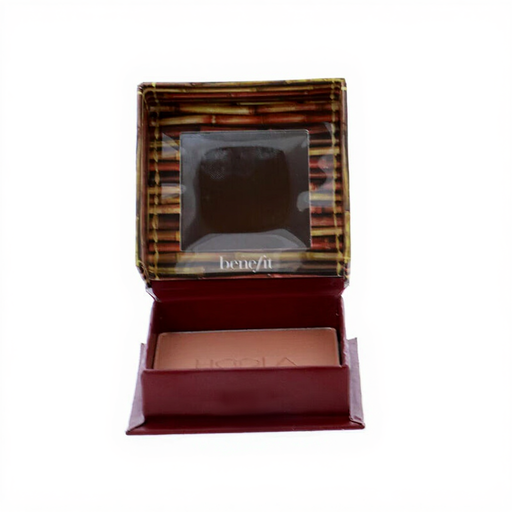
Why it suits this profile: This is a matte bronzer for anyone who is not looking for setting powder but wants to add warmth and definition to their complexion.
The clearly stated product type, bronzing powder, helps prevent you from using a coloured bronzer to set your entire base.
Matte brown shade, 8-gram contents and compact packaging with mirror.
We’ve put together a complete, up-to-date list of products that fully meet these strict selection criteria and the applicable European safety regulations.
Look for an oil-controlling powder or matte setting powder, and apply it mainly to the T-zone. A thin layer will generally give a lighter result than repeatedly powdering the entire face.
The product’s shelf life is shown on the packaging, for example as a best-before date or the period after opening. Store powder in a dry place, close the packaging properly and clean sponges and brushes regularly. Dispose of the product if its smell, colour, texture or effect on your skin changes noticeably.
A setting powder is primarily intended to set foundation and concealer. A finishing powder is generally used as the final step to refine the appearance of the skin. Some products combine both functions, but always check the product description and coverage.
