
Vandaag of morgen in huis

Kwaliteit gegarandeerd

Welkomstaanbiedingen ontgrendelen: GRATIS bezorging | Tot 80% korting | Gratis 30 dagen JoyPlus-proefperiode
Download de app
As a Joybuy Product Recommendation Officer, I see gamers navigating a maze of marketing terms every day. The quest for a competitive edge often ends with a new keyboard, but the market is full of pitfalls. Before you invest in a magnetic gaming keyboard, it's crucial to know what to look for.
Many gamers fall into the same traps. They pay a premium price for features that add little practical value or, even worse, for a product that shows signs of failure after just a few months of intense use. Let's expose the most common missteps.
To avoid these traps, you need to focus on the specifications that actually impact your in-game performance. For an esports keyboard, these are the three most important factors.
The core of a magnetic gaming keyboard is its switch technology. Unlike traditional mechanical switches, which have a physical contact point, Hall Effect keyboards use magnets. A sensor measures the key's exact position by detecting the change in the magnetic field.
This brings two huge advantages:
The polling rate indicates how many times per second the keyboard reports its status to the computer. A standard gaming keyboard has a polling rate of 1000 Hz, which translates to a latency of 1 millisecond (ms).
An 8KHz polling rate keyboard reports a staggering 8000 times per second. This reduces the theoretical latency to just 0.125 ms. While the difference may seem minuscule, in competitive scenarios where every fraction of a second counts, it can be the difference between victory and defeat. It ensures the most direct and immediate connection between your action and the in-game response.
A keyboard that sees heavy use needs to be durable. A CNC aluminum keyboard offers superior durability and stability compared to plastic alternatives. The chassis, milled from a single block of metal, prevents flex and ensures a consistent typing feel and a solid sound profile.
Additionally, the form factor is important. A 75% gaming keyboard is a popular choice for gamers. It's more compact than a full-size keyboard, giving you more room for your mouse, but it retains the essential F-keys and arrow keys that are often missing on an even smaller 60% model.
Based on these criteria, we have selected a few products that suit different types of gamers.
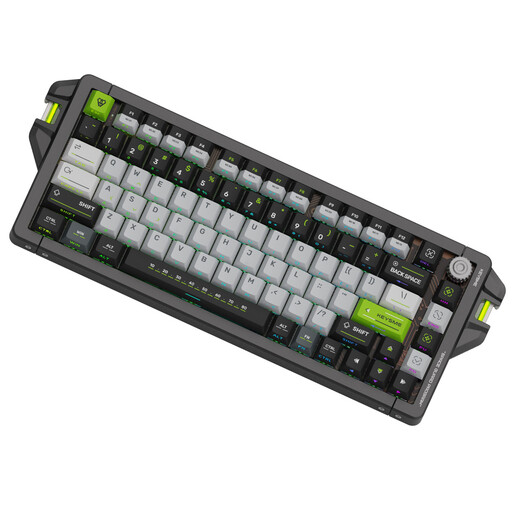
Why This Fits Their Persona: For the competitive player who makes no compromises. This keyboard is built for maximum speed and precision, ideal for fast-paced FPS and rhythm games where every millisecond counts.
This model delivers on its promises: a true 8KHz polling rate and Rapid Trigger technology. The CNC aluminum chassis justifies its premium positioning and avoids the pitfall of an expensive plastic build.
Adjustable actuation from 0.1-4.0 mm with Gateron Magnetic Jade Switch Pro. Extremely low latency of 0.125 ms for instant input.
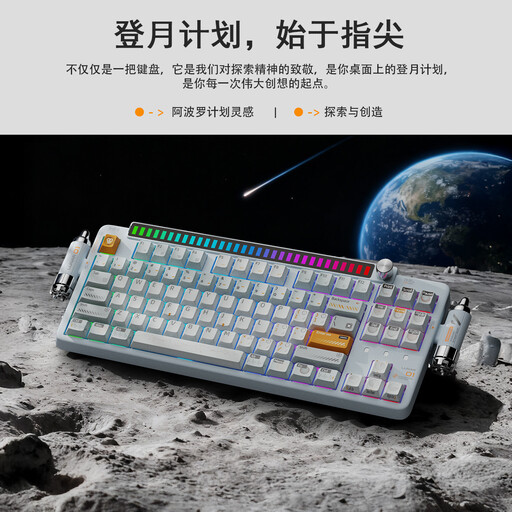
Why This Fits Their Persona: For the user who, in addition to gaming, also types a lot and enjoys personalizing their setup. The focus is on typing comfort, sound, and versatile connectivity for multiple devices.
This keyboard focuses on a superior typing experience with its gasket-mount construction, rather than just speed. The hot-swap functionality gives you the freedom to change switches, ensuring a long-lasting investment.
Tri-mode connectivity (Bluetooth, 2.4GHz, wired) and a 4000mAh battery for wireless freedom. Hot-swappable switches for easy customization.
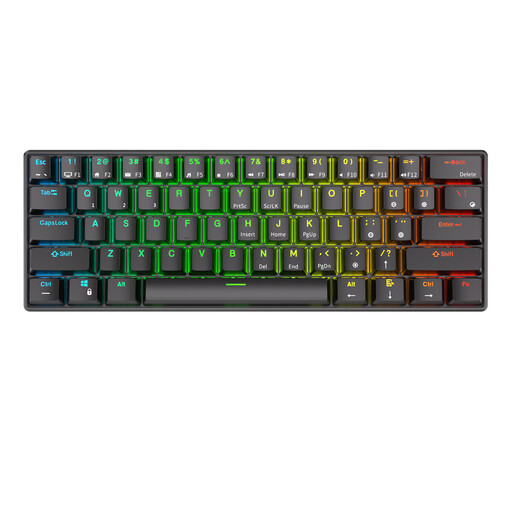
Why This Fits Their Persona: Perfect for gamers with limited desk space or a smaller budget who want to upgrade from a membrane to a mechanical keyboard.
This model offers the core features of a mechanical keyboard, like hot-swap and RGB, at an accessible price point. It avoids the trap of a high price for basic functionality.
Ultra-compact 60% form factor for maximum mouse space. Tri-mode connectivity offers flexibility for various setups.
We have compiled a complete, up-to-date list of products that fully meet these strict selection criteria and EU safety regulations.
For most users, the difference between 1000 Hz and 8000 Hz is subtle. However, for competitive gamers in fast-paced titles (like FPS or rhythm games), the reduction in input latency from 1 ms to 0.125 ms can provide a small but noticeable advantage. It ensures the smoothest and most direct response technologically possible.
A CNC aluminum keyboard offers three key advantages: durability, stability, and acoustics. The metal housing is much sturdier than plastic, doesn't bend during intense use (no flex), and gives the keyboard a heavier, more stable feel on your desk. Additionally, it contributes to a deeper and more consistent sound profile when typing.
Yes, in most cases. The power of a rapid trigger keyboard lies in its customizability. Through the manufacturer's software (often a program or a web-based driver), you can adjust the actuation point and the sensitivity of the rapid trigger function on a per-key basis. The keyboard will work without this software, but you won't be able to use the advanced personalization options.
