
Vandaag of morgen in huis

Kwaliteit gegarandeerd

Welkomstaanbiedingen ontgrendelen: GRATIS bezorging | Tot 80% korting | Gratis 30 dagen JoyPlus-proefperiode
Download de app
Magnetic building blocks for children may look simple at first: click the pieces together and start building. However, sets can vary considerably in size, age guidance, magnetic connections and play value. A low price or a high piece count does not always tell the whole story.
For parents, grandparents and childcare providers, there are three main pitfalls to watch out for:
With the right checks beforehand, it’s easier to find a building set for children aged 3 and over that suits their motor skills, interests and play space.
Always check the age guidance on the product page and packaging. According to the product information, the Tokky set and the set with 150 magnetic blocks are intended for children aged 3 and over. They contain small parts, so they are not suitable for children below that age.
For toddlers aged around 18 months and over, large LEGO DUPLO building blocks are often a more practical choice. The pieces are designed for little hands and do not have magnetic connections. For example, there’s the LEGO DUPLO Classic 10913 Brick Box, with 65 pieces, or the LEGO DUPLO Classic 10479 Colourful Creative Box, with 80 pieces.
Also check the size of the pieces. Young children may find small magnetic tiles harder to grip than large plastic blocks. For childcare settings or group play, it’s a good idea to check in advance whether children can use the set independently.
A high piece count may sound appealing, but the mix of pieces matters more than the total. Consider:
The Tokky Magnetic Tiles Starter Set contains 36 mini pieces, making it a manageable introduction to magnetic tiles. According to the product description, the set with 150 magnetic blocks includes 150 cube-shaped pieces, 24 light-up blocks, six characters, two themes and an ideas booklet. That gives children more to play with together, but it also needs more storage space.
A creative building set without a set story can work well for children who mainly want to build freely. If they enjoy following a task, cards, instructions or example models may be a better fit.
The product information lists ABS plastic, rounded edges and magnetic connections for the Tokky set. According to the product description, the pieces are designed for making flat patterns and three-dimensional constructions. When the set arrives, check that the casing is intact and that no magnets are visible or loose.
Take extra care with magnetic toys. Don’t let children chew on the pieces, and check the set regularly for cracks, loose magnets or damaged edges. If a magnet comes loose or is visible, stop using the piece and keep it out of children’s reach. Swallowing magnets can pose a serious risk; seek medical help immediately if you think a magnet may have been swallowed.
Also look for the CE marking and safety information. A CE marking is the manufacturer’s declaration that the product is intended to meet relevant European requirements; it is not an independent quality mark. Also check for information about EN 71, the European toy safety standards, and details of the manufacturer or responsible party in the EU.
The right choice depends on age, play style and when the set will be used. Here are three different profiles, with specific product details.
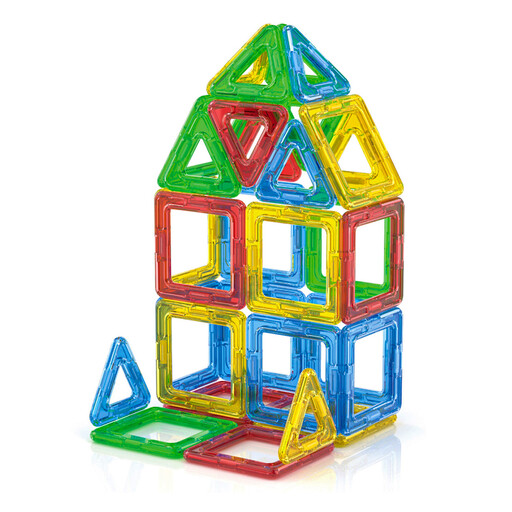
Why it suits this profile: With 36 mini pieces, this set offers a manageable introduction to magnetic construction toys and comes in a gift box.
The clear piece count means you don’t have to buy a large set straight away before finding out whether the child enjoys magnetic tiles. The age guidance is 3 years and over.
36 mini pieces, ABS plastic according to the product information, flat and 3D constructions, and colourful gift packaging.
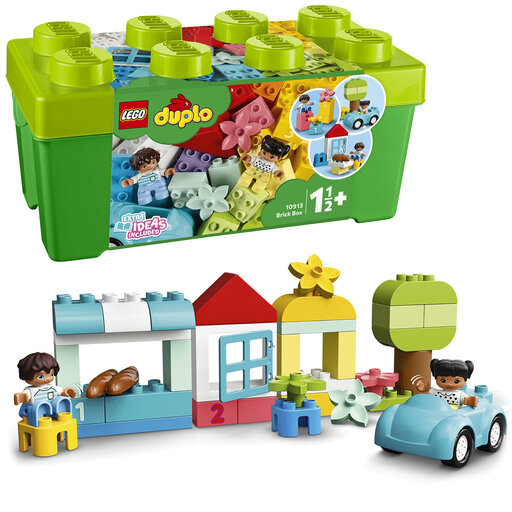
Why it suits this profile: This building set is suitable for toddlers aged 18 months and over, with large pieces designed for their first building experiences.
With an age recommendation of 18 months and over, this set is an alternative to magnetic blocks with small parts. The sturdy storage box helps keep loose pieces together.
65 pieces, two LEGO DUPLO figures, number bricks 1, 2 and 3, a car with turning wheels and a storage box.
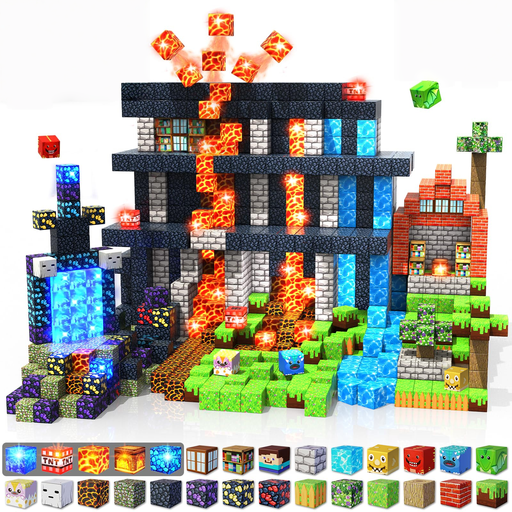
Why it suits this profile: With its high piece count, this set is aimed at children aged 3 and over who enjoy longer building sessions or building with others.
The ideas booklet and different themes offer inspiration, while still giving children the freedom to build whatever they like. Check regularly that all the magnetic pieces remain intact.
According to the product description: 150 magnetic cubes, 24 light-up blocks, six characters, two themes and an ideas booklet.
Magnetic tiles are handy for making quick connections and building three-dimensional structures. They’re a great fit for children who enjoy experimenting with shapes, towers and 3D models. LEGO DUPLO building blocks, on the other hand, are better suited to traditional stacking, imaginative play and familiar accessories. That makes them an appealing choice for toddlers who aren’t ready for small magnetic pieces.
Both types of educational building toys can be valuable for children aged around 18 months to 5 years. Choose magnetic blocks for free-form construction and DUPLO when larger pieces, figures and themes matter more. Claims about creativity, fine motor skills or spatial awareness come from the product descriptions. Think of these as possible benefits of play, rather than guaranteed outcomes.
We’ve put together a complete, up-to-date list of products that meet these strict selection criteria and the applicable European safety requirements.
It depends on the product. Many magnetic blocks have an age recommendation of 3 years and over because they contain small parts and magnets. For children aged 18 months and over, large LEGO DUPLO pieces are often a more suitable choice. Always follow the manufacturer’s age guidance.
Wipe the pieces with a dry or slightly damp cloth if the product information says this is suitable. Don’t use harsh cleaning products. Store the set somewhere dry and check it regularly for cracks, loose magnets and sharp edges. Damaged pieces should be removed from the play set.
Their lifespan depends on the materials, how they’re used and how they’re stored. Frequent dropping, sitting on the pieces or pulling them apart roughly can cause damage. A dedicated storage place, supervision for young children and regular checks can help keep the set in good condition for longer.
