
Vandaag of morgen in huis

Kwaliteit gegarandeerd

Welkomstaanbiedingen ontgrendelen: GRATIS bezorging | Tot 80% korting | Gratis 30 dagen JoyPlus-proefperiode
Download de app
Magnetic building blocks for children offer plenty of possibilities, from simple flat patterns to houses, vehicles and imaginary worlds. But not every magnetic building set is equally suitable for every child. For example, a high piece count says little about the strength of the connections, the finish or how suitable the set is for taking out and about.
As a Joybuy Product Recommendation Officer, I focus on product information that can be checked. Look out for these common pitfalls before ordering magnetic tiles or other magnetic building blocks.
A set with 150 pieces may look appealing, but check which shapes are included too. A good mix of squares, triangles and other geometric shapes gives children more ways to build. Lots of small, similar pieces can quickly become boring.
Check the dimensions as well. Mini tiles are handy for detailed constructions and travel, while larger tiles are often easier for young children to grip.
With magnetic toys, small parts and magnets are important things to consider. Check:
According to the product information from some sellers, magnets are ultrasonically welded or sealed inside the tiles. This is a product feature stated in the relevant listing, not a guarantee that parts can never come loose. Check the set regularly and stop using the magnetic building blocks if a tile is cracked or a magnet is visible or loose.
Terms such as STEM toys, educational toys and toys for spatial awareness often describe a possible use, but children decide how they ultimately use a set. Magnetic construction toys are particularly suited to activities such as combining, sorting, recognising shapes and building to their own ideas.
If you’d like to offer some guidance, you can name colours and shapes together or build a simple example. Don’t expect a fixed learning outcome: enjoyment and the child’s age should come first.
A set of around 50 pieces may be enough for a first introduction. A larger set of 100 to 150 pieces gives you more scope for multi-layered constructions or shared play. Always check whether the stated number refers to individual pieces and whether a storage box or bag is included.
Many magnetic tiles are made from ABS plastic. Look for rounded edges, a smooth surface and information about how the magnets are enclosed in the product description. Claims such as ‘non-toxic’ or ‘safe material’ should be understood as information from the seller. Where possible, also look for stated standards such as EN 71, and check the warnings on the product page.
Magnetic building blocks for ages 3 and up often contain small parts, so the age rating is important. A three-year-old may find larger, easy-to-grip tiles more suitable. Compact 2.5 cm tiles may appeal to older pre-schoolers who enjoy building in detail, but require extra supervision.
A larger set is practical for home. For a train journey, restaurant visit or waiting room, a compact set with a storage container may be a better fit. Put all the pieces away in one designated place after play to help prevent them getting lost.
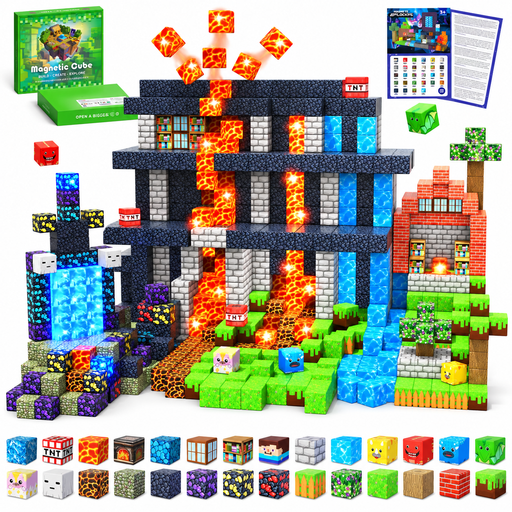
Why it suits this profile: The set contains 150 pieces and, according to the product title, is aimed at children aged 3 and up. This gives budding builders room to try out different constructions without having to buy several sets straight away.
The high piece count helps keep play from being limited to just one or two simple models. When the set arrives, check the exact mix of shapes and the condition of the edges.
150 pieces; rounded edges mentioned in the product title; described in the product listing as supporting fine motor skills and spatial imagination.
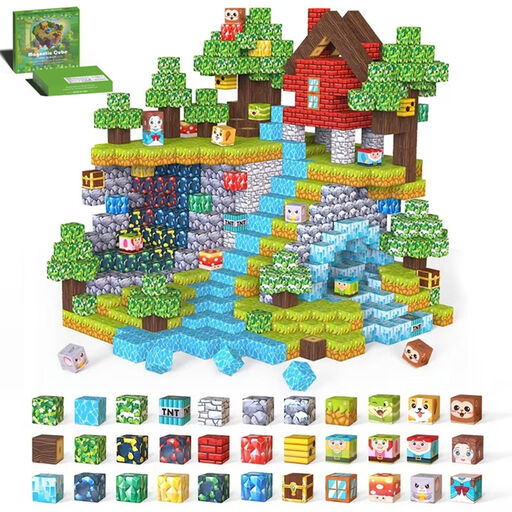
Why it suits this profile: According to the product title, this magnetic building set combines 150 pieces with ABS construction and STEM positioning. It may suit families who want to consider material information and educational play when choosing a set.
The product title names the material and makes a certification claim. Check the product page to see exactly which certificates are listed before deciding whether to buy.
150-piece set; ABS mentioned in the product title; suitable as a gift for children from the stated age, where confirmed on the product page.
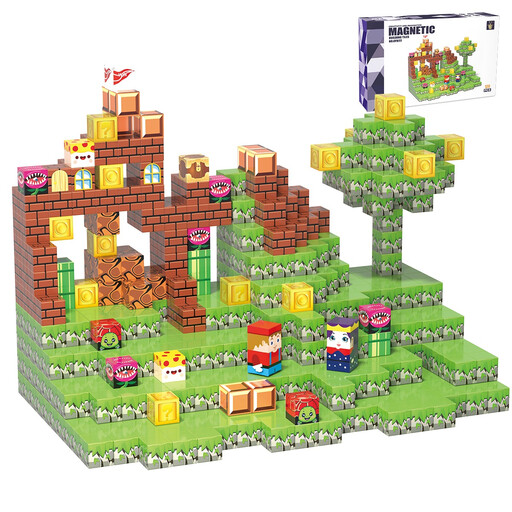
Why it suits this profile: According to the product information, the compact 2.5 cm tiles and included storage container are designed for travel and detailed forest and animal constructions.
The product information lists a set of 120 pieces, enclosed magnets and a storage container. The small size means supervision is important, especially for children aged 3 and up.
120 pieces; forest and animal theme; storage container; the listing states that the set is made from ABS, meets EN71 and is suitable from age 3.
We’ve put together a complete, up-to-date list of products that meet these strict selection criteria and the applicable European safety regulations.
Start with a simple challenge, such as building a house, bridge or animal. Then let your child experiment for themselves. Picking up, turning and connecting the pieces are useful actions for developing fine motor skills. To encourage spatial awareness, try constructions that turn a flat shape into a 3D structure.
Give the set a quick check after play:
Follow the product instructions for cleaning. For example, the XINQIYUAN set’s instructions mention cleaning with a soft, dry cloth. Don’t use harsh cleaning products, and store the pieces in a dry place.
That depends on the size, warnings and age rating of the particular set. Many products are labelled as suitable from age 3, but contain small parts. Use them under supervision and check regularly that the magnets remain securely enclosed.
Their lifespan depends on the material, how they’re used and how they’re stored. Don’t let children stand on the tiles, avoid throwing them hard and replace any pieces with cracks or loose magnets. A storage box can help prevent loss and damage.
Most magnetic building sets connect by hand and don’t need batteries. Always check the product specifications. Extra features, such as lights, may require batteries.
