
Vandaag of morgen in huis

Kwaliteit gegarandeerd

Welkomstaanbiedingen ontgrendelen: GRATIS bezorging | Tot 80% korting | Gratis 30 dagen JoyPlus-proefperiode
Download de app
Buying a magnesium supplement sounds simple until you start comparing labels. One product may list 400 mg of magnesium per tablet, while another lists 400 mg per daily serving of two tablets. Terms such as magnesium citrate, magnesium bisglycinate and ‘rapid absorption’ can also make comparisons more difficult.
As a Joybuy Product Recommendation Officer, I filter the most important product information in a practical way. This helps you see which specifications really matter and which marketing claims you should check before placing an order.
A label may, for example, state 900 mg magnesium glycerophosphate, while the actual amount of elemental magnesium is 100 mg. Magnesium glycerophosphate is the magnesium salt used; elemental magnesium is the amount that counts towards the dosage.
So always look for a line such as:
A large amount of magnesium salt does not automatically mean a high magnesium dosage.
With some magnesium tablets, you get 400 mg per two tablets. With other magnesium capsules, 400 mg is the amount per capsule. So check three things:
This helps prevent you from accidentally taking more than the amount recommended on the label.
Brands often describe magnesium citrate and magnesium bisglycinate as easily absorbed forms. According to the product information provided by the brands concerned, these forms have good bioavailability. This is a product characteristic as described by the manufacturer, not a guarantee of a specific personal effect.
Magnesium supplements can also have a laxative effect for some users. If in doubt, start with the recommended dosage and follow the information on the packaging.
Magnesium citrate is a commonly used form in tablets, effervescent tablets and gummies. It is practical for everyday use and is a key ingredient in various products.
Magnesium bisglycinate is magnesium bound to glycine. For its 375 mg variant, Lucovitaal states that this form is well absorbed. The formula consists of magnesium bisglycinate and contains no additional vitamins or herbs, which is useful if you prefer to keep the ingredients list simple.
A magnesium complex combines several forms, such as citrate, oxide, bisglycinate, malate and ascorbate. This may be appealing if you specifically want a combination of different magnesium salts, but make sure you check the total amount of elemental magnesium and the daily dosage.
A product containing magnesium 400 mg may consist of one tablet, two tablets, a sachet or several gummies. A higher dosage is not automatically necessary. Above all, choose an amount that suits your diet and the advice on the label.
For everyday use, options include:
Some formulas contain vitamin B6, vitamin B12, zinc, vitamin C, L-tryptophan or plant extracts. This may suit a particular use, but it makes comparisons less straightforward. So check whether you actually want to use these additional substances.
If you are pregnant or breastfeeding, take medication, have kidney problems or are considering a supplement for a child, it is advisable to consult a doctor or pharmacist first. A supplement is not a substitute for a varied diet and healthy lifestyle.
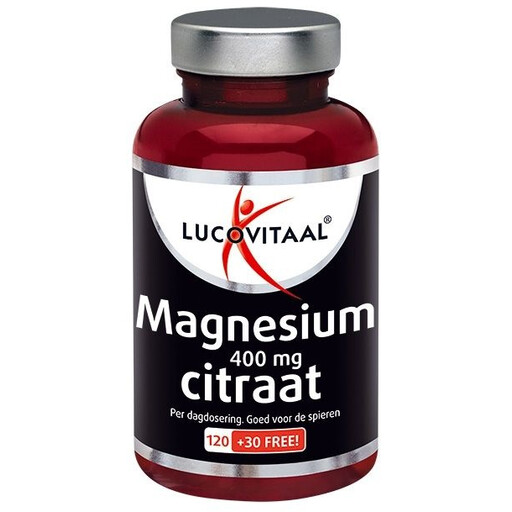
Why it suits this profile: This pack contains 150 tablets and is intended for adults looking for a simple magnesium citrate routine. The recommended dosage is two tablets per day with a meal.
The product information clearly states 400 mg of elemental magnesium per daily serving of two tablets. This makes the serving size easy to check.
Magnesium citrate, 150 tablets and a dosage without additional herbs or vitamins.
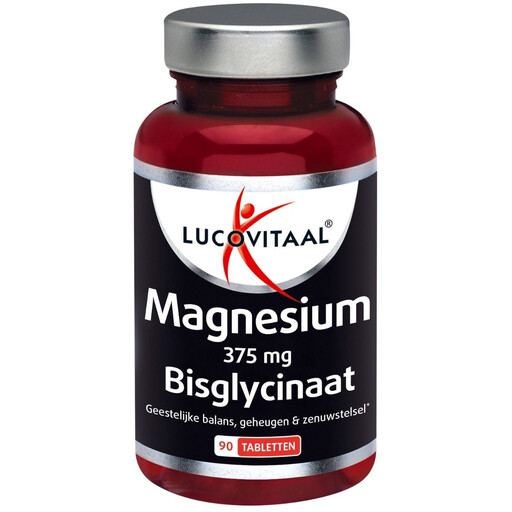
Why it suits this profile: This vegan formula uses a single form of magnesium and provides 375 mg per daily serving of two tablets. This suits shoppers who value a clear, straightforward label.
The amount is linked to magnesium bisglycinate rather than an unclear blend of several salts.
375 mg magnesium bisglycinate, vegan and 90 tablets.
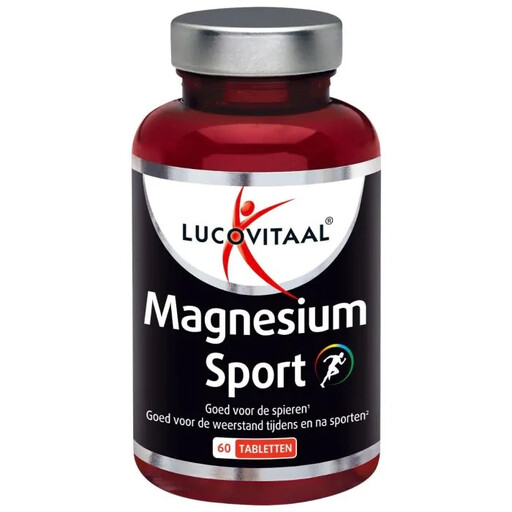
Why it suits this profile: This formula is aimed at athletes and contains magnesium from citrate, taurate and malate, plus vitamin C, vitamin B3 and black pepper extract.
The product information breaks down the magnesium forms: 220 mg citrate, 40 mg taurate and 40 mg malate per two capsules.
Several forms of magnesium, 200 mg vitamin C and 60 capsules. Check the recommended daily dosage on the packaging.
We have put together a complete, up-to-date list of products that fully meet these strict selection criteria and the applicable European safety regulations.
Magnesium citrate is magnesium bound to citric acid. Magnesium bisglycinate is bound to glycine. Both are widely used in supplements. Above all, compare the amount of elemental magnesium per serving, the recommended intake and any warnings. A brand’s product description may provide information about absorption, but it is not a personal guarantee.
How long you can take it depends on the product, your diet and the recommended dosage. Many packs contain 30 to 210 tablets or capsules. Store the supplement according to the label, usually in a cool, dry place away from direct sunlight. If you take medication or have a medical condition, ask a doctor or pharmacist for advice before using it for an extended period.
For athletes, a formula containing several forms of magnesium and additional vitamins may be appealing. If you are mainly looking for a simple daily supplement, you could choose magnesium citrate or magnesium bisglycinate without additional ingredients. Products featuring terms such as magnesium for tiredness, magnesium for stress or magnesium for sleep sometimes contain additional substances. Always check the complete ingredients list and do not choose a product based solely on the front of the packaging.
