
Vandaag of morgen in huis

Kwaliteit gegarandeerd

Welkomstaanbiedingen ontgrendelen: GRATIS bezorging | Tot 80% korting | Gratis 30 dagen JoyPlus-proefperiode
Download de app
Anyone looking for magnesium tablets will quickly encounter dosages of 200, 375 or 400 mg, different forms of magnesium and formulas containing calcium, vitamin B6 or additional plant extracts. This can make comparisons difficult. A higher dosage is not automatically the right choice, and a long ingredient list says little about what you actually need.
As a Joybuy Product Recommendation Officer, I focus primarily on verifiable information on the label: the amount of elemental magnesium, the compound used, the number of tablets per day, additional ingredients and warnings.
A package may, for example, state “900 mg magnesium glycerophosphate”, even though this corresponds to 100 mg of elemental magnesium. For a fair comparison, look at the line stating magnesium per daily serving, rather than just the name of the magnesium compound.
Also pay attention to the difference between:
For example, a product labelled “magnesium 400 mg” may provide 400 mg per two tablets, rather than per tablet.
Brands use terms such as magnesium citrate, magnesium bisglycinate and “good absorption”. According to the brands’ own product information, these forms are described as highly absorbable, but this does not guarantee the same experience for every user. Therefore, also check the total dosage and your tolerance.
Magnesium oxide is often an affordable form, but it may cause gastrointestinal discomfort or have a laxative effect in some people. Citrate and bisglycinate may also feel different from person to person. If in doubt, start with the dosage recommended on the label and do not exceed it.
A magnesium complex, calcium-magnesium formula or magnesium with vitamin B6 can be convenient, but may contain more nutrients than you are looking for. Check whether you already use other supplements. Also look out for sweeteners in magnesium effervescent tablets, gelatine in capsules and suitability for plant-based diets.
The “vegan” claim should appear in the product information. A formula containing gelatine, such as some sports capsules, is not suitable for a vegan diet.
For many adults, a typical product dosage is between 200 and 400 mg of elemental magnesium per day. This does not mean that 400 mg is necessary for everyone. Compare the dosage with your diet and any other supplements you take.
Examples from the available range:
The form partly determines the composition and usage profile:
Do not choose solely based on the term “complex”. Check how much elemental magnesium you actually consume per day.
Magnesium capsules can be convenient if you find tablets difficult to swallow, but check the capsule shell. Some capsules contain gelatine. Chewable tablets are practical without water, while effervescent tablets dissolve in a glass of water. With effervescent tablets, flavourings, acids, sodium and sweeteners are additional points to check.
The packaging and storage instructions are also important. Store supplements in a dry place, away from direct sunlight and out of the reach of children. Do not use a package if the seal is damaged.
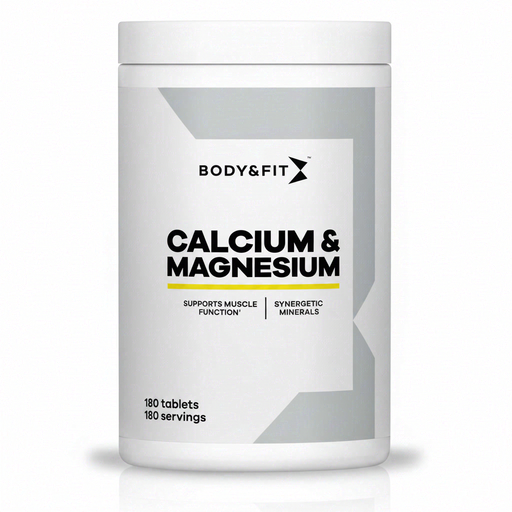
Why it may suit you: A large pack for adults who want to combine calcium and magnesium in a single product.
The amount is stated per tablet: 150 mg of magnesium. This makes it easy to calculate the daily dosage for one or two tablets.
180 tablets, 150 mg of magnesium and 197 mg of calcium per tablet. According to the product information, suitable for vegans.
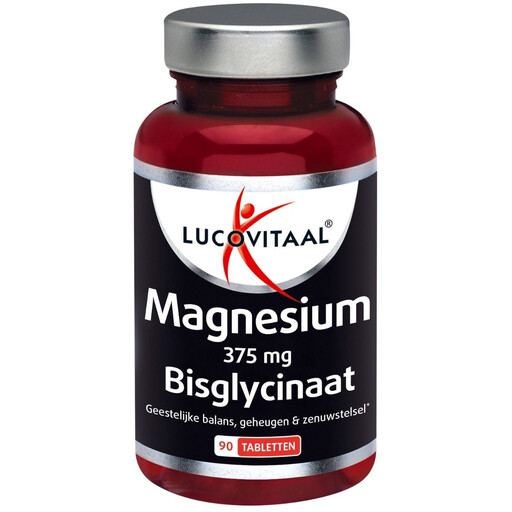
Why it may suit you: Designed for those looking for vegan magnesium with one clearly specified form of magnesium.
The product information states 375 mg of bisglycinate per two tablets. Check the daily dosage rather than treating one tablet as a full serving.
90 tablets, vegan according to the available product data, and 375 mg per recommended daily serving.
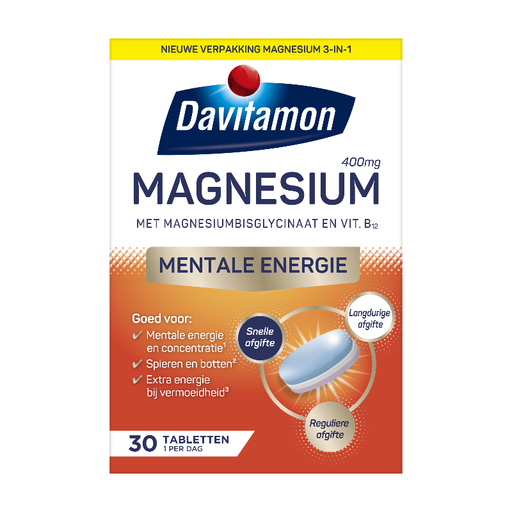
Why it may suit you: For adults who prefer taking one tablet per day and are also looking for vitamins B6 and B12.
The composition states 400 mg of magnesium per tablet: 100 mg bisglycinate and 300 mg oxide. This makes the dosage easy to verify.
400 mg per tablet, three-phase release according to the product description, and free from sugar, gluten, lactose and gelatine.
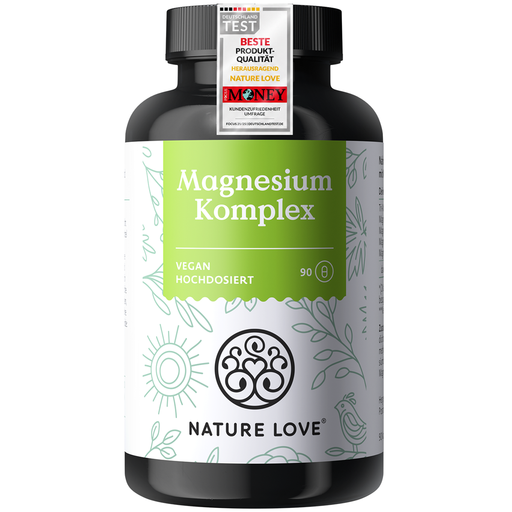
Why it may suit you: For active users who prefer capsules and a combination of five magnesium compounds.
The recommended amount is two capsules per day. This prevents the stated 400 mg from being mistaken for the contents of a single capsule.
90 vegan capsules and, according to the product information, 416 mg of magnesium per two capsules, sourced from five forms.
For evening use, Lucovitaal Magnesium Night contains 300 mg of magnesium from citrate and bisglycinate, plus L-tryptophan and Sleepyhead. The product information states that it is not vegan and that health claims for the additional ingredients still require European approval. Therefore, do not regard sleep support as a guaranteed effect.
If you prefer taking magnesium with water, consider Lucovitaal Magnesium Citrate 400 mg effervescent tablets. The product information describes them as vegan and berry-flavoured, but also lists sweeteners. Check the label as well: the available description mentions both citrate and magnesium carbonate, so the current packaging should be treated as authoritative.
Browse a current selection of magnesium tablets and compare dosage, form, pack size and recommended use.
375 mg corresponds to the European reference intake; 400 mg is slightly above it. The relevant amount depends on your overall diet and any other supplements. Always check whether the stated dosage applies per tablet or per daily serving.
They are different magnesium compounds. Brands often describe citrate and bisglycinate as organic forms with good absorption, but individual tolerance may vary. Focus primarily on the amount of elemental magnesium and the other ingredients.
Only follow the usage instructions for the product you have chosen. Some formulas are intended to be taken before bed, while others are recommended during or after a meal. Additional ingredients, such as L-tryptophan or plant extracts, may have their own warnings. If you take medication, consult a doctor or pharmacist first.
