
Vandaag of morgen in huis

Kwaliteit gegarandeerd

Welkomstaanbiedingen ontgrendelen: GRATIS bezorging | Tot 80% korting | Gratis 30 dagen JoyPlus-proefperiode
Download de app
Buying a magnesium supplement might seem straightforward: pick a pot of magnesium tablets, capsules or gummies and you're done. In reality, products differ greatly in magnesium form, amount of elemental magnesium and additional ingredients. As a result, you can end up paying for a high dosage that doesn't suit your daily needs, or for a formula with components you'd rather avoid.
As a Joybuy Product Recommendation Officer, I filter the key information from product descriptions so you can separate marketing claims from verifiable specifications.
The packaging might say, for example, "magnesium 400 mg". Check whether this refers to elemental magnesium or the weight of the compound, such as magnesium citrate or magnesium bisglycinate. These are not the same amounts.
Also, 400 mg isn't necessary for everyone. Some products deliver 400 mg per capsule, others per two tablets or per daily serving. So always look at:
Forms such as magnesium citrate, magnesium bisglycinate, taurate, malate and glycerophosphate are often positioned differently. According to various brands' own product information, some organic compounds have good bioavailability or are well tolerated. That's no guarantee that the same form is the right choice for every user.
So don't just compare the name of the form, but also the full composition and the amount of elemental magnesium. Magnesium oxide, for example, can be part of a formula with multiple magnesium forms, as with some magnesium 400 mg products.
A magnesium supplement may also contain vitamin B6, B12, vitamin C, taurine, L-tryptophan, green tea or plant extracts. That can be practical if you're deliberately looking for a combination, but it makes comparison more difficult.
A product with magnesium for the night, for instance, sometimes contains additional substances and is not the same as a simple magnesium bisglycinate product. If you're taking medication, pregnant, breastfeeding or have a medical condition, pay attention to the warnings and, if in doubt, ask a doctor or pharmacist for advice.
A pack of 60 tablets might last 30 days if you take two tablets per day. A pot of 90 capsules can have a different duration depending on the recommended serving. So work out the cost per day rather than just looking at the price of the pack.
Also check whether you're already getting magnesium from a multivitamin, sports drink or other supplement. Stacking can increase your total intake.
Choose a form you can use consistently:
With vegan magnesium, check both the vegan label and the capsule shell or other excipients. A product can be sugar-free without being vegan, or vegan without being completely free of sweeteners.
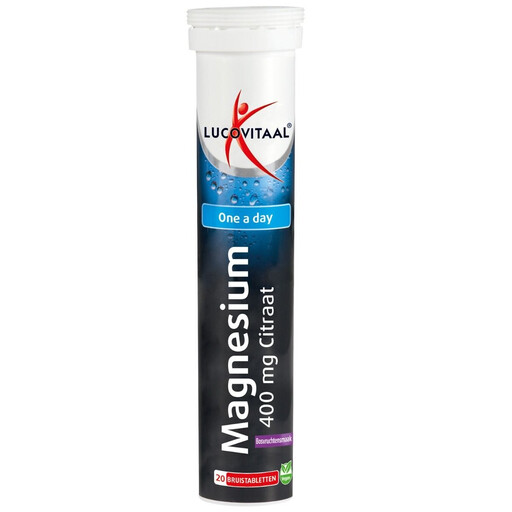
Why this fits the profile: The effervescent tablet dissolves in water and, according to the product information, delivers 400 mg of magnesium per recommended amount. The forest fruit flavour makes administration simple.
The dosage is linked to the usage instructions. So you don't have to work out for yourself how many capsules make up one daily serving.
Vegan, 20 effervescent tablets and a clear dosage of 400 mg per recommended daily amount.
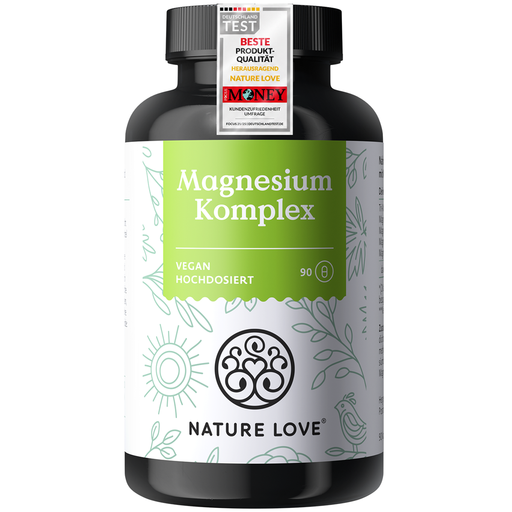
Why this fits the profile: This vegan formula combines five magnesium forms according to the product information and delivers 416 mg of magnesium per daily serving of two capsules.
The packaging states the composition per daily serving and names the individual forms. This makes comparison more transparent than with an unspecified complex.
90 vegan capsules, gluten-free and lactose-free according to the product information, with five named magnesium compounds.
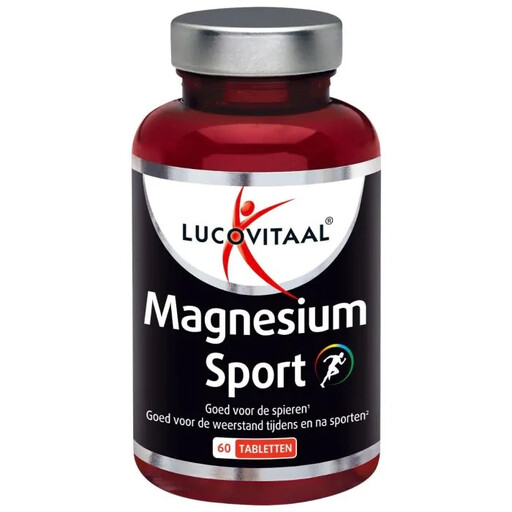
Why this fits the profile: The sports formula contains magnesium from citrate, taurate and malate according to the product specification, plus vitamin C and vitamin B3. The recommended amount is two capsules per day.
The three magnesium forms are listed separately. You can also see that vitamin C and B3 are part of the formula, rather than just a general sports claim.
60 capsules, a combination of three magnesium forms and 200 mg of vitamin C according to the product information.
We've put together a full, up-to-date list of products that fully meet these strict selection criteria and comply with current European safety regulations.
That depends on your total intake, the magnesium form used and the instructions on the label. Some products deliver 400 mg per capsule, others per two tablets. Also check other supplements and take into account the warning about a possible laxative effect. Ask a doctor or pharmacist for advice if you're taking medication or have a medical condition.
They are different compounds. Magnesium citrate is often offered as a tablet, powder or effervescent tablet. Magnesium bisglycinate is often chosen in capsules or tablets. Always compare the amount of elemental magnesium per daily serving, because the weight of the compound itself doesn't tell you enough.
Check the best-before date on the packaging and store the product according to the label, usually in a cool, dry place protected from moisture. Close a pot tightly. Gummies may have a shorter shelf life after opening; the product information might, for example, state a period of 60 days. Don't use a supplement if the packaging is damaged or the product has clearly changed in appearance or smell.
