
Vandaag of morgen in huis

Kwaliteit gegarandeerd

Welkomstaanbiedingen ontgrendelen: GRATIS bezorging | Tot 80% korting | Gratis 30 dagen JoyPlus-proefperiode
Download de app
A magnesium supplement might seem straightforward to choose, but the differences between magnesium tablets, capsules, gummies and effervescent tablets are significant. In particular, the amount of elemental magnesium, the type of magnesium used and any extra ingredients determine whether a product fits your daily routine.
Many shoppers only look at the big number on the front. That can lead to wrong expectations. A capsule labelled “400 mg” could, for example, have a different dosage per day than a product with 400 mg split across two tablets. Terms like “easily absorbed”, “for the night” or “for athletes” also don’t automatically mean a supplement is suitable for everyone.
Check whether the label refers to the amount of elemental magnesium or the total weight of the compound. Magnesium citrate, magnesium bisglycinate and magnesium oxide each contain a different proportion of elemental magnesium.
Also pay attention to the recommended daily dosage. One product might deliver 400 mg of magnesium in two tablets, while another states 400 mg per capsule. So always compare:
Brands often describe magnesium citrate and magnesium bisglycinate as forms with good bioavailability. According to the product information from the relevant brands, these forms are well absorbed by the body. That is a product claim, not a guarantee that everyone will have the same experience.
Magnesium oxide can be appealing because of its price and the high amount of compound on the label, but some users experience a laxative effect at higher intakes. This can also happen with other forms. So don’t automatically start with a high dosage.
A supplement with magnesium plus vitamin B6, calcium, zinc, L-tryptophan or herbs is not the same as a simple magnesium product. Extra substances may be relevant for your goal, but they also make it more important to check the label.
Pay attention to:
Magnesium citrate is often chosen for daily use and comes in tablets and effervescent tablets. Magnesium bisglycinate is bound to glycine and is frequently described in product information as a well-tolerated form. A complex combines several forms, such as citrate, taurate, malate or bisglycinate.
Choose a simple formula if you mainly want to top up your magnesium intake. A combination formula can be more interesting if you consciously want to take vitamin C, B vitamins, calcium or zinc as well.
The right dosage depends on your diet, age, goal and any medical situation. Magnesium 400 mg is a commonly searched term, but a higher dosage isn’t automatically necessary. Products with 375 or 400 mg already provide a significant amount per daily dose.
For a cautious start, products with a lower amount per tablet are practical. For example, a product for heavy legs contains 100 mg of elemental magnesium per tablet, while gummies contain 56.25 mg each. This makes it easier to match the amount to the recommended usage instructions.
The term magnesium for muscles and nervous system often refers to permitted nutrition claims about the normal function of magnesium. Claims about sleep, stress or fatigue should not be taken as medical treatment. According to the product information from Lucovitaal, magnesium contributes to normal muscle function, the nervous system and reducing tiredness and fatigue.
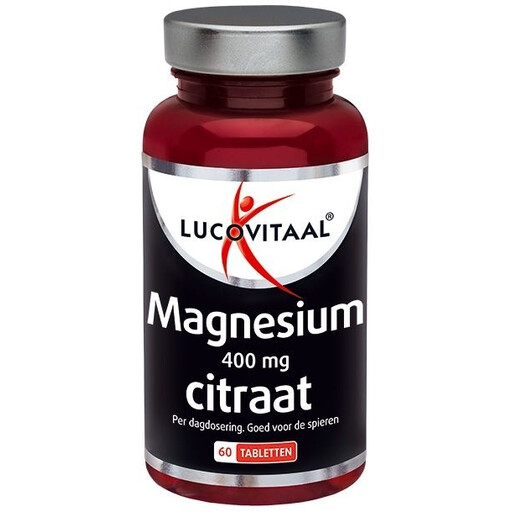
Why this fits the profile: A straightforward formula for adults who want to try magnesium citrate without lots of extra ingredients.
The recommended dosage is clearly linked to two tablets per day. This means you’re not just comparing the number on the front.
400 mg elemental magnesium per daily dose and 60 tablets. According to the product information, the formula contains magnesium citrate.
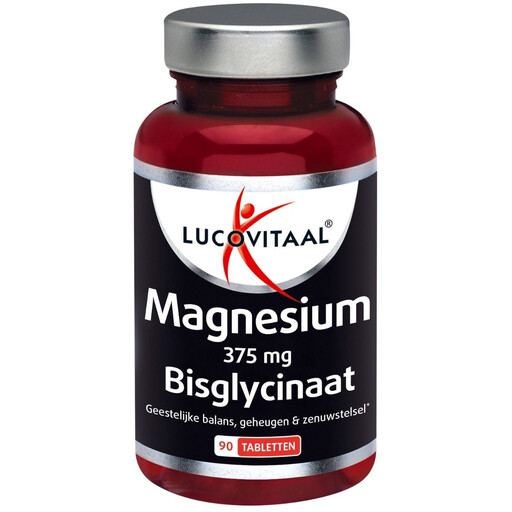
Why this fits the profile: For adults looking for a vegan, sugar-free supplement with a single magnesium form and a longer supply.
The pack states 375 mg magnesium bisglycinate per daily dose and makes the formula easy to check.
90 tablets, vegan according to the product information and without a complex mix of extra vitamins.

Why this fits the profile: Aimed at athletes who want vitamin C and vitamin B3 alongside magnesium in the same formula.
The composition separately lists magnesium citrate, taurate and malate. This makes it clear that it is a complex.
The product information states 220 mg citrate, 40 mg taurate and 40 mg malate, plus 200 mg vitamin C per daily dose.

Why this fits the profile: For children aged 3 and over who don’t want to swallow capsules or large tablets.
The usage instructions distinguish between ages 3–9 and 10+. This prevents confusion about the amount.
60 mg magnesium per chewable tablet, berry flavour and a combination of malate, bisglycinate and citrate according to the label.
We’ve put together a full, up-to-date list of products that fully meet these strict selection criteria and comply with current European safety regulations.
Always follow the dosage on the label and do not exceed the recommended daily amount. A magnesium supplement does not replace a varied diet or a healthy lifestyle. If you have kidney problems, are pregnant, breastfeeding, taking medication or are in any doubt, it is wise to consult a doctor or pharmacist. Pay extra attention to products containing vitamin K, L-tryptophan, melatonin or herbal extracts.
Store tablets and capsules in a dry place, sealed and out of reach of young children. A laxative effect can occur, especially at higher dosages. So also check the expiry date and the seal on the packaging.
First, look at the amount of elemental magnesium per daily dose. According to permitted nutrition claims, magnesium contributes to normal muscle function and helps to reduce tiredness and fatigue. A formula with magnesium citrate, bisglycinate or a combination can be chosen based on tolerance, dosage and ease of use.
No. 400 mg is a product dosage, not personal advice. Check whether this amount applies per tablet or per daily dose and take into account magnesium from other supplements. If you are taking medication or have a medical condition, ask your doctor or pharmacist for advice.
They can be handy if you struggle with swallowing. Gummies often contain sweeteners or polyols; effervescent tablets may contain sodium and sweeteners, among other things. So compare the ingredients list, the amount of elemental magnesium and the recommended dosage before you choose.
