
Vandaag of morgen in huis

Kwaliteit gegarandeerd

Welkomstaanbiedingen ontgrendelen: GRATIS bezorging | Tot 80% korting | Gratis 30 dagen JoyPlus-proefperiode
Download de app
A magnesium supplement might seem straightforward to choose, until you start comparing the labels. One product contains magnesium citrate, another magnesium bisglycinate or oxide. The dosage also varies widely: from 60 mg per chewable tablet to magnesium 400 mg per daily dose.
The biggest mistakes usually come down to three pitfalls:
A good choice therefore starts with the composition, the recommended dosage and your own usage situation.
Always check how much elemental magnesium you get per tablet, capsule, gummy or daily dose. The amount of magnesium compound on the label is not the same as the amount of magnesium itself. Lucovitaal Magnesium Citrate 400 mg, for example, states 400 mg elemental magnesium per recommended daily dose of two tablets.
A higher dosage isn't automatically more practical. Some people experience a laxative effect with a generous amount of magnesium. So don't take more than the recommended daily amount and only combine products after checking the label.
Magnesium citrate is often chosen for daily use and comes in tablets and effervescent tablets. Magnesium bisglycinate is bound to glycine and is often described in product information as well absorbed. That's a claim from the brand; treat it as product information, not a guarantee for your personal experience.
Magnesium oxide is also a commonly used form, but can appear in combination formulas. A product with multiple forms, such as magnesium citrate, oxide, bisglycinate, malate and ascorbate, can be appealing if you're looking for different compounds in one formula. Just check that the dosage per serving is clear.
A supplement for muscles, energy or the nervous system sometimes contains vitamin B6, vitamin C, calcium, zinc or plant-based ingredients. That can be handy, but it makes comparison harder. So first check whether you actually need those extra substances.
For children, different dosages apply than for adults. A product with a nice flavour is no reason to exceed the recommended amount. Also pay attention to sweeteners, allergens, vegan certifications and the minimum age.
According to permitted nutrition claims, magnesium contributes to normal muscle function, normal functioning of the nervous system and the maintenance of normal bones. Magnesium is also linked in product information to a normal energy-yielding metabolism and the reduction of tiredness and fatigue. This does not mean that a supplement treats tiredness, stress, sleep problems or muscle complaints as a condition.
If you're mainly looking for magnesium for muscles, you can look for a clear dosage and a simple composition. For magnesium for bones and nervous system, a formula with calcium, vitamin D or zinc might be interesting, but first check which nutrients you're already getting. For athletes, the timing of use, quantity and portability are often more important than a flashy claim on the packaging.
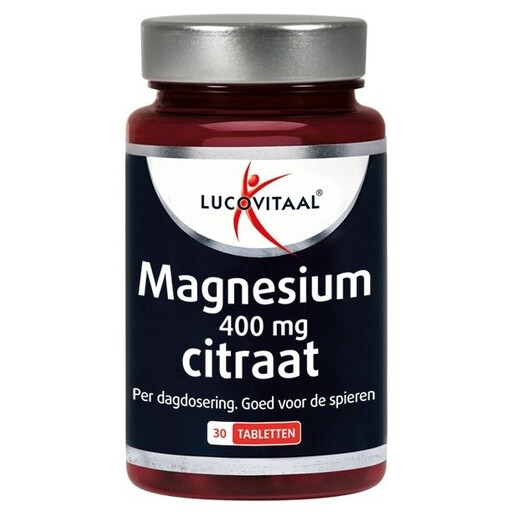
Why this fits the profile: A straightforward choice for adults looking for magnesium citrate in tablet form, without an extensive combination of extra vitamins.
The product information clearly states 400 mg elemental magnesium per recommended daily dose of two tablets. Do check this on the label.
Magnesium citrate, tablet form and a clear daily dosage.

Why this fits the profile: For those who want a vegan magnesium supplement with multiple magnesium forms and a supply of around one and a half months.
The composition lists five magnesium forms and the daily amount is linked to two capsules.
Vegan capsules, 400 mg elemental magnesium per daily dose according to the product information and 90 capsules.

Why this fits the profile: Aimed at adults who want to organise their supplement around sport and physical exertion.
The formula separately lists magnesium citrate, taurate and malate. This means you can see which forms together provide the dosage.
220 mg citrate, 40 mg taurate, 40 mg malate and 200 mg vitamin C according to the product specification.

Why this fits the profile: A chewable tablet with berry flavour for children aged 3 and over, with age-dependent usage instructions.
The product information states 60 mg magnesium per tablet and gives separate instructions for ages 3–9 and from age 10.
Chewable tablet, berry flavour, vegan according to the product specification and clear age limits.
We've put together a full, up-to-date list of products that fully meet these strict selection criteria and comply with current European safety regulations.
That depends on your total intake, the recommended dosage and your personal situation. Check whether 400 mg applies per tablet or per daily dose. Don't take multiple magnesium products at the same time without comparing the labels. A high intake can have a laxative effect.
They are different magnesium compounds. Citrate is widely used in tablets and effervescent tablets; bisglycinate is bound to glycine. Brands may describe a form as well absorbed, but personal tolerance and the total amount of elemental magnesium remain more important than the marketing name.
First check the ingredients. A night-time formula may contain, alongside magnesium, ingredients such as L-tryptophan, melatonin or plant extracts. Use such products according to the label and, if you are taking medication, pregnant or breastfeeding, seek advice from a doctor or pharmacist.
