
Vandaag of morgen in huis

Kwaliteit gegarandeerd

Welkomstaanbiedingen ontgrendelen: GRATIS bezorging | Tot 80% korting | Gratis 30 dagen JoyPlus-proefperiode
Download de app
A magnesium supplement might seem straightforward to choose: search for magnesium 400 mg, click on a familiar pack and you're done. Yet magnesium tablets, magnesium capsules, gummies and effervescent tablets differ significantly in dosage, magnesium form and ease of use. A smart choice stops you from overpaying for a low amount of elemental magnesium or buying a product that doesn't fit your daily routine.
"400 mg magnesium" can refer to the amount of elemental magnesium, but sometimes it's the weight of the entire magnesium compound that's listed. Magnesium citrate at, say, 400 mg does not automatically contain 400 mg of elemental magnesium. Always check the nutrition information table and look for "of which magnesium" or "elemental magnesium".
You'll often see magnesium bisglycinate, magnesium citrate, oxide, taurate and glycerophosphate. Brands describe some forms as well-absorbed or gentle on the stomach. According to the brand's own research, such properties may apply to their formula, but they're no guarantee for every user. Focus on:
A formula with vitamin B6, B12, zinc, vitamin C, L-tryptophan or herbs isn't automatically better. If you simply want to top up your magnesium intake, a straightforward formula can be clearer. If you're specifically looking for magnesium for stress, magnesium for energy or magnesium for night-time, check whether the extra ingredients suit your personal situation and any medication you're taking.
Don't just compare the number of milligrams per tablet or capsule, but the amount per daily serving. Some products deliver 400 mg with one tablet; others achieve this with two tablets. This affects ease of use and the cost per day.
Examples from the range:
Please note: the reference intake is a nutritional reference value, not personal advice on how much you need.
Magnesium citrate is common in tablets, effervescent tablets and gummies. Magnesium bisglycinate is bound to glycine. According to the product descriptions from various brands, this form is described as well-absorbed. Magnesium oxide contains a relatively high amount of elemental magnesium per compound, but can be less agreeable for some people.
A complex combines several forms. This can be interesting if you're not looking for one specific form, but it makes comparison harder. So look at the amount of each form, not just words like "complex" or "multi-formula".
Magnesium for muscles or daily use is available as a tablet, capsule, chewable tablet, gummy or effervescent tablet. Pay attention to practical points:
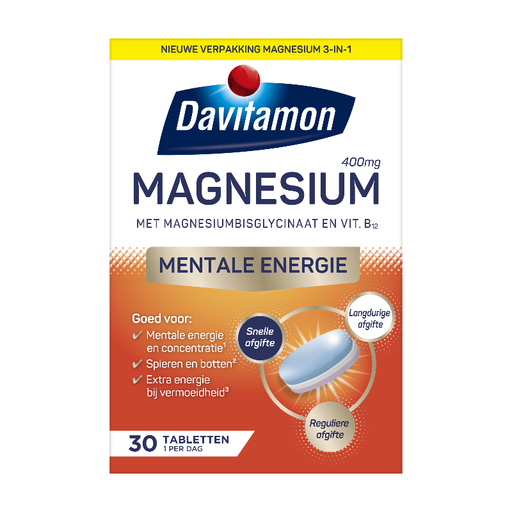
Why this fits the profile: One tablet a day offers a simple routine for adults looking for a clear dosage.
The product information clearly states 400 mg magnesium per tablet and shows the combination of bisglycinate and oxide.
400 mg per tablet, with vitamin B6 and B12; according to the product information, sugar-free, lactose-free and gluten-free.

Why this fits the profile: Suitable for adults who want a vegan capsule and multiple magnesium forms in one formula.
The composition names five forms and the nutrition information states 416 mg magnesium per daily serving of two capsules.
90 vegan capsules; combination of citrate, bisglycinate, malate, oxide and ascorbate.
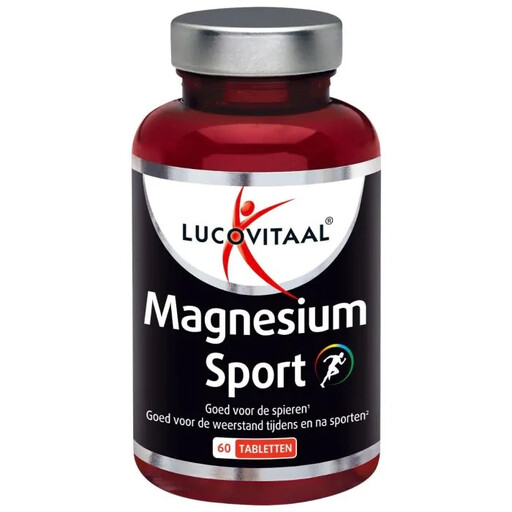
Why this fits the profile: Aimed at athletes who want vitamin C and B3 alongside magnesium in their daily supplement.
The formula separately lists 220 mg citrate, 40 mg taurate and 40 mg malate per two tablets.
Magnesium complex for sports use, plus 200 mg vitamin C according to the product information.
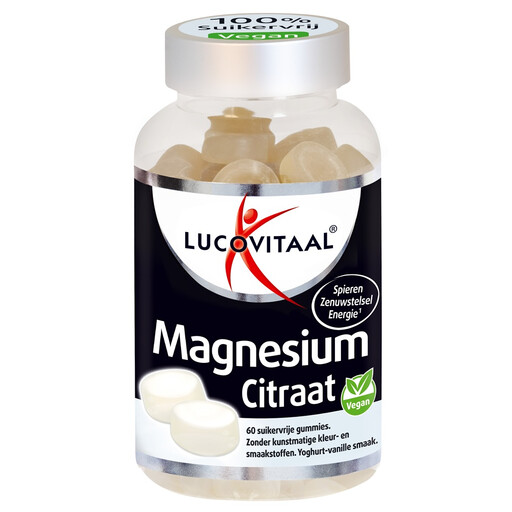
Why this fits the profile: A chewable option for adults who don't want to swallow capsules or tablets.
The dosage is stated per gummy: 56.25 mg elemental magnesium. So you can see at a glance how many gummies you need.
Vegan, sugar-free and with magnesium citrate; yoghurt-vanilla flavour according to the product information.
We've put together a full, up-to-date list of products that fully meet these strict selection criteria and comply with current European safety regulations.
Stick to the recommended daily amount on the packaging and don't use a supplement as a substitute for a varied diet. Too much magnesium can have a laxative effect. Are you taking medication, have a medical condition, are you pregnant or breastfeeding? Then ask your doctor or pharmacist for advice before you start.
Separate dosages apply for children. A product like Lucovitaal Magnesium Kids is intended for specific ages and contains 60 mg per chewable tablet. So don't use an adult magnesium 400 mg product for children without professional advice.
First, look at the amount of elemental magnesium per recommended daily dose. For daily use, many consumers choose a simple tablet or capsule with a clear label. Magnesium bisglycinate and magnesium citrate are commonly used forms; also check the ingredients and your tolerance.
There are products specifically marketed as magnesium for night-time, such as Lucovitaal Magnesium Night. According to the product information, this product contains magnesium citrate, bisglycinate, L-tryptophan and Sleepyhead and is intended for use 30 to 60 minutes before sleep. The product information also states that certain health claims are awaiting European approval.
That depends on the dosage per day. A pack of 30 tablets at one tablet per day lasts about a month. With two tablets per day, a pack of 60 tablets is also enough for about a month. So calculate the price per daily serving, not just per pack.
