
Vandaag of morgen in huis

Kwaliteit gegarandeerd

Welkomstaanbiedingen ontgrendelen: GRATIS bezorging | Tot 80% korting | Gratis 30 dagen JoyPlus-proefperiode
Download de app
Buying a magnesium supplement may seem straightforward, but products can differ considerably. You’ll find magnesium 400 mg in capsules, tablets, gummies, effervescent tablets and sachets. However, a high number on the front of the pack doesn’t always tell you enough about the ingredients, the actual amount of elemental magnesium or whether the product is right for you.
Three common pitfalls to watch out for:
The most important comparison is the amount of elemental magnesium per recommended daily dose. So don’t just check whether the label says “magnesium citrate”, “magnesium bisglycinate” or “magnesium oxide”.
For example, a product may contain 700 mg of magnesium taurate but, according to the product information, provide just 62.3 mg of magnesium. The rest of magnesium taurate is taurine. A magnesium glycerophosphate tablet may contain 900 mg of the compound, equivalent to 100 mg of elemental magnesium.
Dosages also vary:
A higher dose isn’t automatically more suitable. Follow the recommended daily amount on the packaging and don’t combine multiple magnesium products without good reason.
Magnesium citrate is commonly found in tablets, capsules, effervescent tablets and drinks. Product information from various brands often describes citrate as an organic form. Magnesium bisglycinate is bound to glycine and is often chosen by consumers specifically looking for magnesium bisglycinate. The relevant product information may describe this form as well tolerated or absorbed; this is a product characteristic, not a personal guarantee.
Other forms also have their own characteristics:
Also look out for warnings about a possible laxative effect. These appear in the product information for several products, particularly at higher intakes.
A capsule is convenient if you want to take your dose quickly. A tablet may be a good-value option for long-term use, but sometimes you need to take two a day. A sachet or effervescent tablet may suit you if you prefer a drink. Gummies are easy to take, but some products contain sugar or sweeteners.
Work out the price per daily dose:
For example, a product with 120 capsules isn’t automatically better value than a pack of 60 tablets. How long it lasts depends on the recommended daily amount.
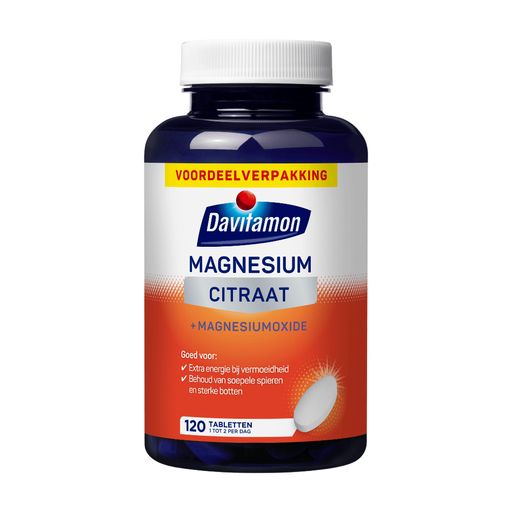
Why it suits this profile: The dosage is easy to follow: two tablets a day provide a total of 400 mg of magnesium, according to the product information. The pack contains 120 tablets.
The amount per tablet and per daily dose is clearly shown separately. This makes it clear that 200 mg per tablet isn’t the same as 400 mg per tablet.
Citrate and oxide forms; suitable for vegetarians and vegans according to the product information; 120 tablets.
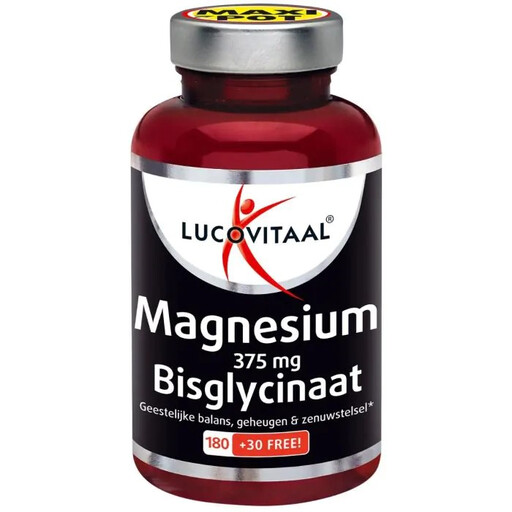
Why it suits this profile: If you’re looking for a simple formula without a long list of additional ingredients, the product information says this provides magnesium bisglycinate, with 375 mg per daily dose.
The product information states that it provides 375 mg of magnesium, so you don’t have to work this out from the weight of the magnesium compound.
Vegan according to the product information; 210 tablets; magnesium bisglycinate as the main ingredient.
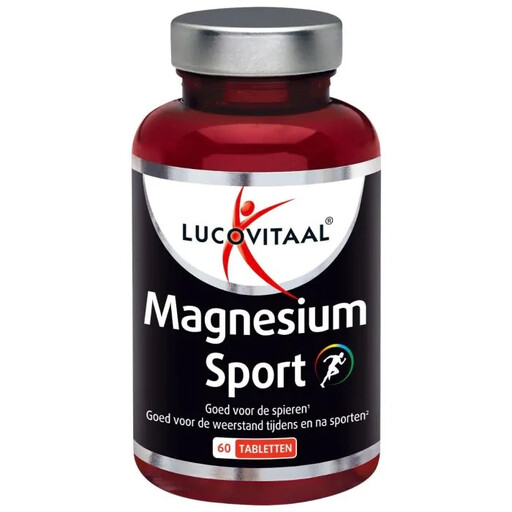
Why it suits this profile: According to the product information, this magnesium complex is designed for sportspeople and contains citrate, taurate and malate, plus vitamin C, B3 and black pepper extract.
You’re not buying a vague “sports formula” without any specifications: the product information lists 220 mg of citrate, 40 mg of taurate and 40 mg of malate per daily dose.
Several forms of magnesium; 200 mg of vitamin C; product information recommends taking two tablets a day.
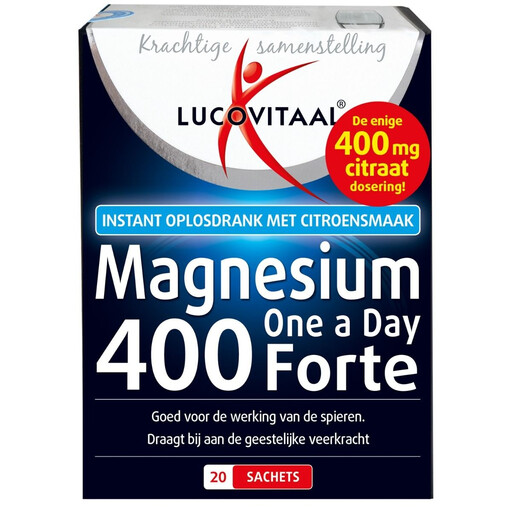
Why it suits this profile: One sachet dissolves in 250 ml of water and, according to the product information, has a lemon flavour. This may be more convenient than magnesium tablets or capsules.
The serving size is given per sachet, so you don’t have to work out how much powder to use.
20 individual sachets; vegan according to the product information; lemon-flavoured drink.
We’ve put together a complete, up-to-date list of products that meet these strict selection criteria and the applicable European safety regulations.
Before buying, bear the following points in mind:
That depends on your total intake, the type of product and the recommended dose. Check whether 400 mg refers to elemental magnesium and follow the instructions on the packaging. Don’t take several high-dose products at the same time without seeking advice.
Magnesium citrate is bound to citric acid, while magnesium bisglycinate is bound to glycine. Both are used in supplements. Your choice may depend on factors such as the form of the dose, ingredients, whether it’s suitable for vegans and how well you tolerate the product.
Not necessarily. Compare the price per daily dose as well as the amount of elemental magnesium. Some gummies contain sugar or sweeteners and often provide less per serving than magnesium capsules or tablets.
