
Vandaag of morgen in huis

Kwaliteit gegarandeerd

Welkomstaanbiedingen ontgrendelen: GRATIS bezorging | Tot 80% korting | Gratis 30 dagen JoyPlus-proefperiode
Download de app
Marker stains on the wall, stubborn limescale in the bathroom, or black scuff marks on the floor. Every household knows these frustrations. A magic sponge, also known as a melamine sponge, is often recommended as the solution. Just wet and wipe, no chemical cleaning agents needed. But not all sponges are created equal. Before you buy one, it's important to know what to look for to avoid wasting money on a product that falls apart after a single use.
As a Joybuy Product Recommendation Officer, I'll help you see through the marketing claims. These are the most common pitfalls and the specifications that truly matter.
Many sponges look alike, but the differences in quality and price are significant. Watch out for these three common mistakes:
To avoid a bad purchase, focus on the objective product features. These are the three most important points to check.
The name says it all: a melamine sponge is made of melamine foam. This material forms a very fine, hard structure when it cures. When you wet the sponge, it acts like extremely fine sandpaper that lifts dirt from the surface. This is the secret behind cleaning without chemicals. It is essentially an eraser sponge that buffs away the stain. Verify that the product is actually made from melamine foam to get the specific performance you're looking for.
A larger, denser sponge lasts longer. A typical, usable size is around 10 x 6 x 2 cm. Sponges that are significantly smaller offer less grip and wear out faster. Although density is rarely listed, you can often deduce the quality from the price and the number of units in a pack. A sturdy cleaning sponge feels more compact and will be less likely to crumble.
Because a magic sponge wears down during use, it's often more economical to buy a larger pack. A pack of 10 or more is usually far more cost-effective than individual sponges. This ensures you always have a supply on hand for unexpected stains and brings down the cost per cleaning session.
Not everyone has the same cleaning needs. Here are a few options tailored to different users.
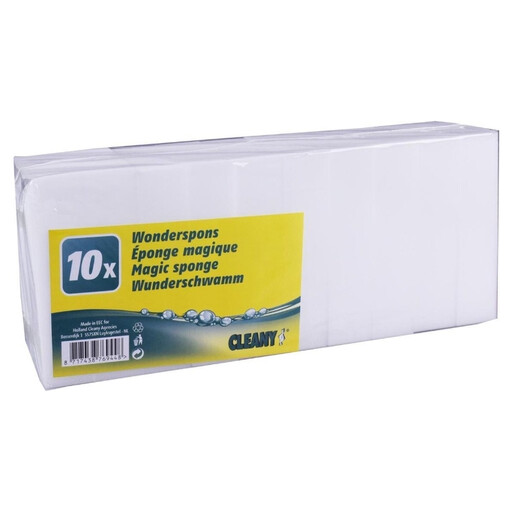
Why This Fits Their Persona: Ideal for households where stains from markers, crayons, or dirty shoes regularly appear on walls and doors. With a set of 10, you'll always have a sponge on hand.
This set tackles the pitfall of a high price per unit. You get a generous supply for a fraction of the cost of individual sponges from the store.
The dimensions (11x6.4x2.8 cm) are practical, and the set offers excellent value for money for frequent use.

Why This Fits Their Persona: For those who need more power and reach. Think scrubbing tile grout, the bottom of a deep sink, or other hard-to-reach places.
This isn't a standard magic sponge, but a scouring sponge with a handle. It solves the problem of sponges being too small for heavy-duty jobs and offers extra functionality.
The 28.5 cm long handle keeps your hands dry and clean. The combination of a sponge and a scouring pad makes it suitable for various stubborn stains.
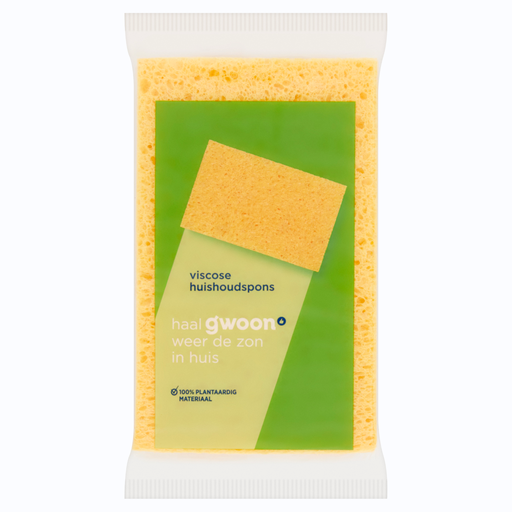
Why This Fits Their Persona: For those seeking an environmentally friendly choice for general cleaning tasks. This is not a melamine sponge, but an alternative for those who want to clean plastic-free.
This product avoids the pitfall of material ambiguity. It is explicitly made from 100% plant-based viscose and natural cellulose fibres.
According to the manufacturer, the sponge is plastic-free and biodegradable. The scouring layer is made from coconut fibres, a natural material.
We have compiled a complete, real-time list of products that fully satisfy these strict selection criteria and UK safety regulations.
A magic sponge works by "sanding" a minuscule layer off the surface. Therefore, use it with care. It is generally safe on:
Be cautious on high-gloss surfaces, car paint, polished wood, or delicate coatings. Always test on a small, inconspicuous area first.
The lifespan depends on its use. On a rough surface, like a brick wall, the sponge will wear out much faster than on a smooth door. Think of it like an eraser: the more you scrub and the harder you press, the faster it will be used up. You can rinse the sponge and let it dry after use, but it will become smaller and crumble over time.
The main advantage is that you don't need aggressive chemical cleaners, which reduces the amount of chemicals in wastewater. However, the sponge itself is made of melamine foam, a type of plastic, and is not biodegradable. Therefore, dispose of a worn-out sponge in the general waste. For those looking for a fully sustainable option, sponges made from natural materials like cellulose or coconut fibre are an alternative.
