When photographing an entire ceramic tile, the angle of view, sensor crop and distance you can shoot from matter more than maximum macro magnification. Higher magnification is more useful for small glaze, relief or grout details, but check the working distance, focusing range and reflections from the window too.
Who is this choice relevant to?
Tile and product photographers
If you want to capture an entire tile with its shape and colour clearly recognisable, start by considering the crop and the space available. Adobe identifies size, silhouette and colour as features that product photography can bring to life.
Texture photographers
For close-ups of glaze, relief or grout, you’ll need to balance magnification against working distance and depth of field. Nikon Nederland, Sony Nederland and Sigma describe macro models with different magnification options and focal lengths.
Photographers with an existing camera body
If you’re choosing a lens for a camera you already own, it’s worth checking the mount and sensor format. Canon Nederland, for example, explains that EF-S lenses used on EOS R cameras with an adapter produce a cropped image.
What should you look for in a lens for tiles?
An entire tile or a tile with its surroundings
Choose this when: you want to keep the tile’s edges and shape in the frame and have limited space to shoot from.
Bear in mind: lower magnification may be less suitable if you need tiny details to fill the frame.
Small texture or grout details
Choose this when: you want to capture glaze, relief or a narrow grout line at a larger scale; 1:1 magnification may be useful.
Bear in mind: at high magnification, accurate focusing takes more care and less of the tile will fit in the frame.
Exceptionally small details
Choose this when: you use an APS-C camera and need magnification above 1:1.
Bear in mind: check the mount and focusing controls for the version on offer. Extra magnification isn’t intended as a substitute for an overview of the tile.
| What to consider |
What should you check? |
Who is this important for? |
| Fitting the whole tile in the frame |
Check the focal length, sensor format, minimum focusing distance and how much room you have to stand back from the tile. |
If I want to photograph the entire tile with its edges clearly visible, I consider the crop and where I can shoot from. Around 40% of consumers say capturing the whole tile is their main buying concern. |
| Small details |
Compare the maximum magnification, and distinguish between the focusing distance measured from the sensor and the working distance in front of the lens. |
If I want glaze, relief or grout to fill the frame, magnification is a key factor. Around 30% of consumers give small details top priority. |
| Reflections and colour |
Test the shooting angle, exposure and white balance on the tile itself; check the filter thread diameter if you’re considering a polarising filter. |
With glossy glaze, I want to assess reflections and how the colour looks before choosing a lens. Around 20% of consumers say controlling reflections and colour is their main buying concern. |
| Camera connection |
Make a note of the exact camera model and check the mount, sensor format and whether you’ll need an adapter. |
If I want to use my existing camera, I want to avoid choosing a lens that won’t fit directly or will result in a different crop. Around 10% of consumers cite the connection and sensor crop as their main buying concern. |
Common buying considerations you might miss
-
Assuming every macro lens offers 1:1 magnification
According to Canon, the Canon RF 35mm F1.8 MACRO IS STM offers a maximum magnification of 1:2. That’s less magnification than the models mentioned that reach 1:1 or more.
Compare the maximum magnification with the size of the detail you want to photograph.
-
Confusing minimum focusing distance with working distance
Minimum focusing distance is measured from the sensor; working distance is the space between the subject and the front of the lens. Sony explains this distinction for macro lenses.
Check both distances for the exact version and consider how much room your window-light setup needs.
-
Expecting a new lens to eliminate reflections in the glaze
The shooting angle and reflections also affect the photo. A polarising filter can change the appearance of reflections, but it may also affect the visible gloss or how the colour looks.
First, test the angle and white balance in the actual window light you’ll be using. Check the filter size before choosing a filter.
-
Choosing an adapter or APS-C lens without checking the crop
In the combination described by Canon, an adapter is required to use EF or EF-S lenses on EOS R cameras. Canon notes that images taken with EF-S lenses are cropped to account for the smaller image circle.
Before buying, check the camera body, mount, image circle and whether an adapter is needed. Bear in mind that any required adapter is a separate item.
Brands and relevant macro models
Canon
Canon offers RF macro models for different crops and levels of detail.
- According to Canon, the RF 35mm F1.8 MACRO IS STM offers a maximum magnification of 1:2, while the RF 100mm F2.8L Macro IS USM offers up to 1.4×.
- The 35mm offers a wider angle of view, but not 1:1 magnification. For the 100mm, consider whether the longer shooting distance and tighter crop suit your setup.
Nikon
The NIKKOR Z MC 50mm f/2.8 is a macro model for Nikon Z cameras.
- Nikon Nederland lists a maximum magnification of 1:1.
- For a whole tile, check whether the available distance and crop work with your sensor.
Sony
The FE 90mm F2.8 Macro G OSS, model SEL90M28G, is a Sony E-mount macro model.
- Sony lists 1:1 magnification and optical stabilisation.
- At the minimum focusing distance of 28 cm, Sony lists a working distance of around 13 cm. That won’t necessarily be enough to frame a whole tile from where you’re shooting.
Sigma
The 105mm F2.8 DG DN MACRO | Art is available in separate Sony E-mount and L-mount versions.
- Sigma lists a maximum magnification of 1:1.
- The minimum focusing distance of 29,5 cm isn’t the same as the clear space in front of the lens. Choose the right mount version.
Laowa
According to Venus Optics, the 65mm f/2.8 2x Ultra Macro APO is designed for APS-C cameras.
- Venus Optics lists a maximum magnification of 2:1, aimed at very small details.
- Check the mount and focusing controls for the version on offer. This level of magnification isn’t a substitute for a wider view of the tile.
Joybuy lenses for framing tiles
This selection includes Sony E lenses for framing a tile or taking a close-up. Check that each model’s crop and magnification suit the shot you want.
 No image available
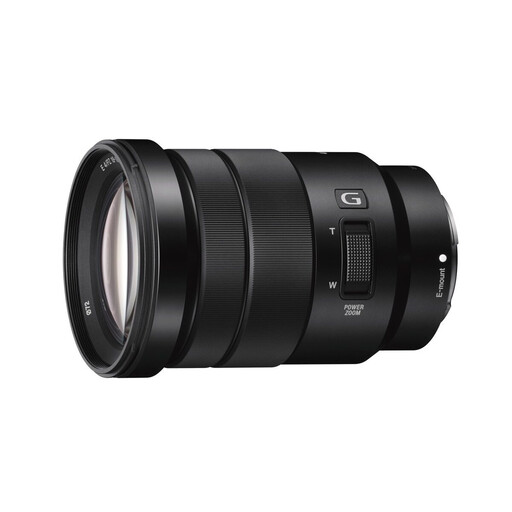
Sony E PZ 18-105mm f/4 G OSS
Could suit you if you want to try different angles of view when framing a tile. Check the crop with your sensor and the space available.
Joybuy
 No image available
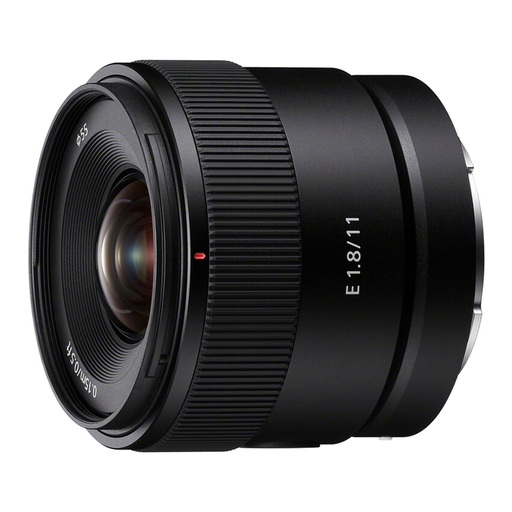
Sony E 11mm F1.8 APS-C (SEL11F18)
The wide angle of view could work well for a broad tile composition. Check that the stated magnification is enough for the detail you want to capture.
Joybuy
 No image available
Sony E 50mm f/1.8 OSS Black
This model is listed for product and close-up photography. Check whether its magnification will show the texture or grout at the size you want in the frame.
Joybuy
 No image available
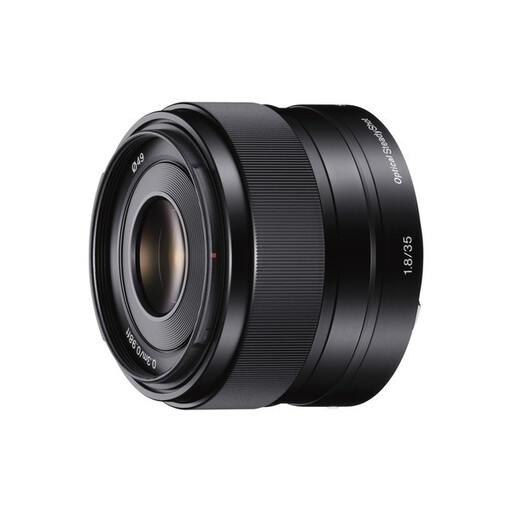
Sony SEL 35mm F1.8 OSS
Could suit you if you’re looking for a 35mm framing option. Its stated magnification is below 1:1, so check whether it’s enough for the smallest details on the tile.
Joybuy
Frequently asked questions
Do I need 1:1 magnification for every ceramic tile?
No, not if you mainly want to capture the whole tile. Choose your framing first; 1:1 is most useful when you want small details to appear large on the sensor.
How much space is there in front of the lens for close-ups?
The minimum focusing distance doesn’t tell you how much clear space there is between the front of the lens and the tile. Sony distinguishes between the distance from the sensor and the working distance; check both for the exact model.
What can I do about reflections of the window or camera in the glaze?
First, try a different shooting angle and assess the result on the tile itself. A polarising filter can change reflections, but bear in mind that it can also affect the gloss or how the colour looks.
How do I focus if the relief and grout lines aren’t both sharp?
Depth of field is shallow in close-ups, so you’ll need to focus carefully. Canon Nederland recommends precise focusing for macro photography. Take test shots with different aperture settings and stay outside the lens’s minimum focusing distance.


