
Photographers looking to capture shell details
If you want to fill the frame with small patterns, compare the maximum magnification and check that the lens is compatible with your camera mount.


Start by checking your camera’s mount, then decide whether you mainly want to photograph an entire shell in its surroundings or capture tiny surface details. A lightweight close-up lens with a maximum magnification of 0.5× may be enough for the first option. For more of the frame to be filled by small details, a compatible lens with 1:1 or higher magnification is a better choice, but bear its weight and handling in mind. Dust or splash resistance does not mean your equipment is safe to expose to seawater.
If you want to fill the frame with small patterns, compare the maximum magnification and check that the lens is compatible with your camera mount.
If you’ll be carrying the lens on a long coastal walk and want to use it for other photos too, weigh portability against the magnification you need.
If you’re taking photos near the water’s edge, check exactly what the manufacturer means by dust and splash resistance.
First check the camera mount, then choose how much of the frame you want your subject to fill and weigh that against carrying weight and the need to handle your kit carefully on the coast.
| What to consider | What to look for when buying | Who this matters to |
|---|---|---|
| Magnification for fine shell textures | Check the maximum reproduction ratio of the exact lens model and compare 0.5×, 1:1 and any higher magnification on the same basis. | If I want to fill the frame with tiny grooves, magnification comes first. Around 38% of consumers make fine shell details their top priority. |
| Weight on a walk | Compare the stated lens weight and mount, and remember to factor in the weight of the complete camera and lens combination. | For a long walk, I want to keep my kit light, even if that means lower maximum magnification. Around 25% of consumers prioritise portability. |
| Sand and moisture on the coast | Read the limitations for the exact lens model and keep your equipment away from seawater and blowing sand. | When I’m taking photos close to the water’s edge, I want to know what the weather sealing does and doesn’t protect against. Around 25% of consumers say coastal conditions are their main consideration. |
| One lens for shells and other photos | Check the mount, angle of view and maximum reproduction ratio, and consider whether that combination will suit your other photography. | I want to use the same lens for other subjects too, so I may accept lower magnification. Around 12% of consumers prioritise versatile everyday use. |
A lens with ‘macro’ in its name may be suitable for close-ups without producing a life-size image on the sensor. Canon states that the RF 85mm F2 and RF 35mm F1.8 do not offer 1:1 reproduction.
Compare the maximum reproduction ratio of the exact model with the level of detail you want to photograph.
OM SYSTEM lists both 1.0× on Micro Four Thirds and 2.0× in 35mm-equivalent terms for the M.Zuiko Digital ED 60mm F2.8 Macro. These figures use different reference points.
Compare the reproduction ratio on the sensor, and treat any 35mm conversion separately.
Sigma says that the dust- and splash-resistant construction of the 105mm F2.8 DG DN Macro Art is not waterproof. Canon warns that the dust- and moisture-resistant construction of the RF 100mm does not completely prevent dust or water droplets from getting inside.
Keep your lens and camera away from seawater and blowing sand, and follow the usage and care instructions for your own equipment.
Canon offers RF lenses for EOS R cameras, from close-up options to models with magnification greater than 1:1.
The Sony FE 90mm F2.8 Macro G OSS is a 1:1 macro lens for the Sony E mount.
The NIKKOR Z MC 105mm f/2.8 VR S is a 1:1 macro lens for Nikon Z cameras.
The Sigma 105mm F2.8 DG DN Macro Art is available for Sony E and L mounts; check which version is compatible with your camera.
The M.Zuiko Digital ED 60mm F2.8 Macro is a 1:1 option for Micro Four Thirds.
These Sony E lenses could suit walking, close-ups or flexible framing. Check that the magnification you want is right for the shell details you’re looking to capture.
 No image available
Could suit anyone looking for a Sony E lens for close-ups and a walk. Its stated magnification is limited for capturing very fine shell patterns.
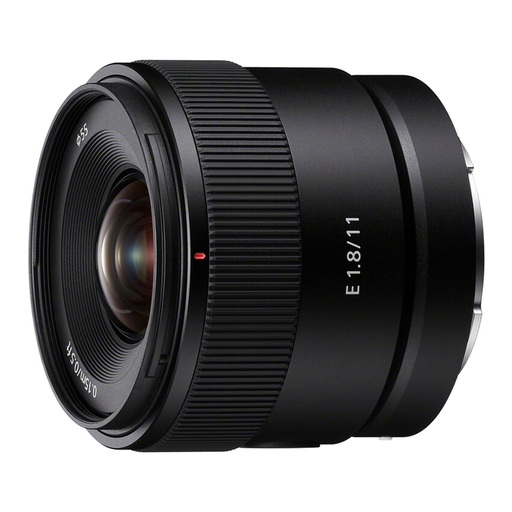 No image available
An ultra-wide-angle lens for outdoor photography with a Sony E camera. It isn’t a dedicated macro lens, and its stated magnification is limited for capturing small shell patterns.
 No image available
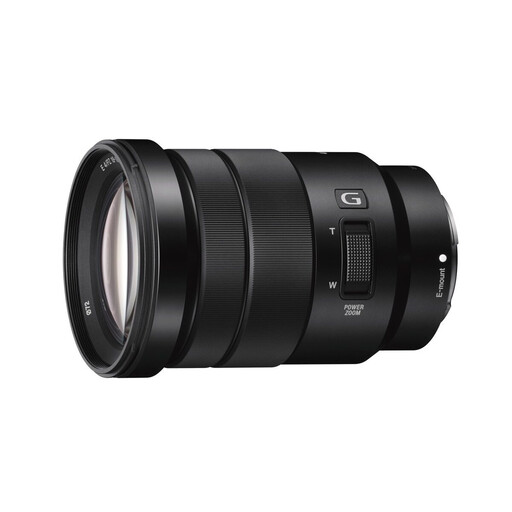
Could suit you if you want to frame a range of shots on a walk using a single zoom lens. Its stated magnification is limited for filling the frame with fine shell patterns.
No. Canon says the RF 85mm F2 and RF 35mm F1.8 can focus close, but do not offer 1:1 reproduction. Check the maximum reproduction ratio of the exact model.
It isn’t automatically the clear space in front of the lens. When photographing a shell on sand, also compare the practical working distance at your chosen magnification. The minimum focusing distance alone won’t tell you that.
No. Sigma says its dust- and splash-resistant 105mm lens is not waterproof, while Canon warns that the RF 100mm’s construction does not completely prevent dust or water droplets from getting inside. Check the limitations of your camera body too.
Report a fault to the seller. According to ACM ConsuWijzer, the seller is responsible for the statutory guarantee if a product fails to meet what you could reasonably expect under normal use. Any manufacturer’s warranty does not replace this statutory right.
Don’t assume this is allowed at every coastal location. Staatsbosbeheer advises following local access signs and designated paths; according to the Dutch Government, provincial rules may also apply in nature reserves. Check the local rules and leave animals undisturbed.