What should you look for when choosing?
Around 1:1 macro
Choose this when: you want to photograph small glaze patterns individually and have a compatible camera and enough space for your setup.
Consider: check the space in front of the lens, and bear in mind that high magnification gives you limited depth of field.
Close-up lens for detail and wider shots
Choose this when: your setup is more often used to photograph the whole ceramic piece than a very small glaze detail.
Consider: the Nikon Z DX MC 35mm f/1.7 offers a maximum magnification of 0.67× on the sensor. Nikon states that there is 7.2 cm of space in front of the lens at the closest focusing distance.
Manual 2:1 ultra-macro
Choose this when: you want to capture very small textures separately and are happy to focus manually with a stable setup.
Consider: Laowa recommends using a tripod or macro rail at 2× magnification because the depth of field is extremely limited. The version mentioned is for Canon RF.
When photographing glaze for an online shop, your choice of crop, space for lighting, colour consistency and camera mount each play a part.
| What to consider |
What should you check? |
Who is this important for? |
| Glaze details |
Compare the maximum reproduction ratio with the dimensions of the detail you want to show. |
If I want to show small flecks of colour or texture clearly on their own, I check that the crop will work. Around 36% of consumers say small glaze details are their main concern when buying. |
| Space for lighting |
Check the distance from the front of the lens to your subject at the magnification you want to use, and test where to place your lights or diffusion. |
With a small photography space, I want to position the lighting without the lens being too close to the ceramics. Around 29% of consumers put space for lighting first. |
| Colour consistency |
Take test shots under fixed lighting and assess the white balance alongside your lens choice. |
If glaze colours need to match across product photos, I want to be able to repeat my lighting and colour workflow too. Around 21% of consumers give consistent colour the highest priority. |
| Mount and versatility |
Check your camera model, lens mount and version. Also decide whether you mainly take detail shots or wider photos. |
I want a lens that fits my camera and suits the photos I take most often, without choosing ultra-macro unnecessarily. Around 14% of consumers prioritise compatibility and versatility. |
Joybuy products
The Joybuy options below are Sony E lenses for general photography and close-ups. They aren’t 1:1 macro lenses for anyone wanting to capture the smallest glaze details at high magnification.
 No image available
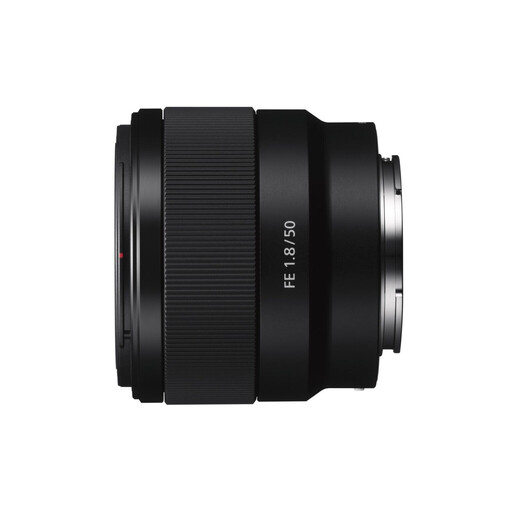
Sony E 50mm f/1.8 OSS Black
May suit general product and close-up photography if you don’t need a 1:1 detail crop. It isn’t a 1:1 macro option.
50 mm prime lens, f/1.8 and OSS, as stated in the product name.
View at Joybuy
 No image available
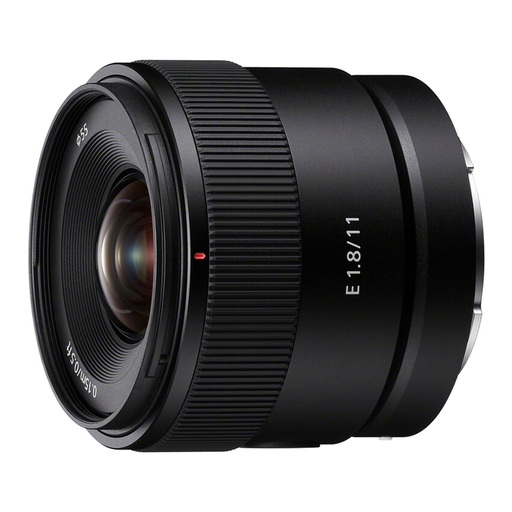
Sony E 11mm F1.8 APS-C Wide Angle Prime Lens (SEL11F18)
This wide-angle lens isn’t a 1:1 macro lens. Check that it suits the close-up photography you have in mind for your ceramics.
11 mm, f/1.8 and APS-C are stated in the product name.
View at Joybuy
 No image available
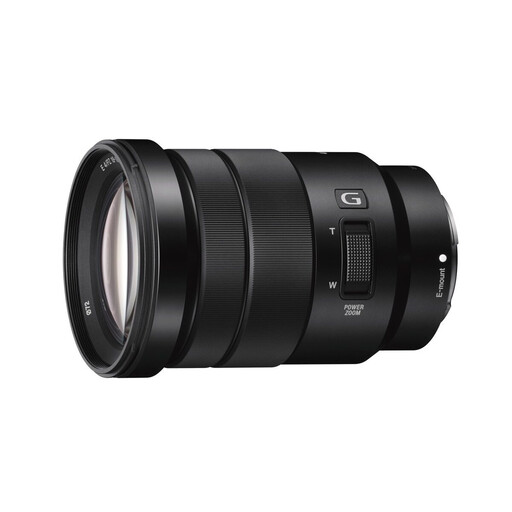
Sony E PZ 18-105mm f/4 G OSS
The variable focal-length range may suit switching between wider shots and close-ups, but this isn’t a 1:1 macro lens for small details.
18–105 mm, f/4 and OSS are stated in the product name.
View at Joybuy
 No image available
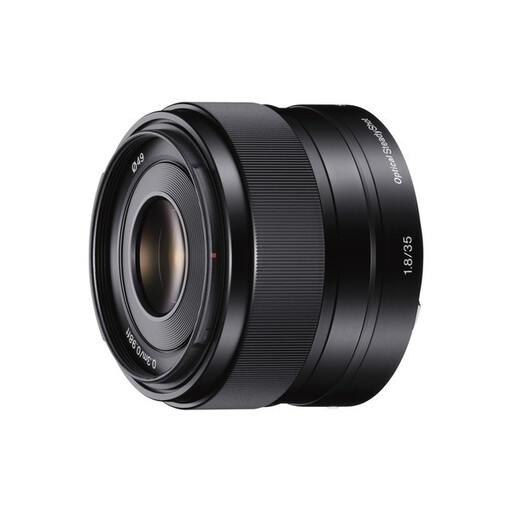
Sony SEL 35mm F1.8 OSS
May suit general product photography and close-ups if the glaze crop you want doesn’t require high macro magnification.
35 mm prime lens, f/1.8 and OSS, as stated in the product name.
View at Joybuy
Frequently asked questions
Do I need 1:1 magnification for every photo of a ceramic product?
No, you don’t automatically need 1:1 magnification for a wider shot. First decide how small the detail is that you want to show on its own. A close-up lens may be enough if wider shots are your priority.
Why doesn’t the minimum focusing distance always suit my lighting setup?
The minimum focusing distance is measured from the camera sensor, but you need to know the space between the front of the lens and your subject to position your lighting. For the Z DX MC 35mm, Nikon Netherlands states that there is 7.2 cm in front of the lens at the closest focusing distance. Check other lens models separately.
How can I keep a curved glaze surface in focus and its colour looking true to life?
Take test shots with controlled lighting and white balance. If the depth of field is too limited at your chosen magnification, combining shots taken at different focus positions may help. Check what your camera or software can do, and keep your setup stable.
When buying a macro lens online in the Netherlands, do I always have 14 days to change my mind?
No, the statutory right to cancel applies to consumers buying online, not to business purchases made by business owners. Ondernemersplein explains this distinction, and ACM ConsuWijzer notes that whether a product is used mainly for business or private purposes may matter. Assess mixed-use situations separately.
What does the statutory guarantee mean for a private purchase?
For a consumer purchase, the seller must offer a solution if the product doesn’t meet what you can reasonably expect from normal use, according to the Netherlands Authority for Consumers and Markets. Check any manufacturer’s warranty and additional terms separately, and don’t assume the same consumer protections apply to a business purchase.


