First, choose a macro lens that fits your camera mount and offers enough magnification to show the section of fabric you have in mind. Then compare the working distance: the minimum focusing distance is not the same as the clear space in front of the lens. The lens alone won’t automatically reveal texture or provide sufficient depth of field, so consider your lighting set-up too and, for still fabric, whether focus stacking might help.
Who is this buying guide for?
Photographer with an existing mirrorless camera
You want to find out which macro lens fits your camera mount before comparing magnification or focal length. Nikon Nederland, Canon Nederland, Sony Nederland and Sigma specify the mount for each model or version.
Creator of fabric close-ups
You want to capture tiny threads or stitches in detail, so you’re comparing maximum magnification with the space left to light the fabric. Nikon Nederland and Canon Nederland publish magnification details for the macro models mentioned.
Studio photographer working with a dark background
You want the fabric to stand out from the background and more of its texture to appear sharp. Lighting and depth of field are important considerations alongside lens choice; Canon Nederland describes focus stacking as a way to combine images taken at different focus positions.
What should you look for in a macro lens for fabric?
Start with your camera mount and the size of the fabric detail you want to capture. Then consider how much room you need for lighting and focusing.
| What to consider |
What to look for when buying |
Who might value this more? |
| Compatible camera mount |
Compare the full lens version and mount with your camera model. |
If I want to keep using my existing camera, I’ll first check that the lens fits. Around 26% of consumers give the correct camera mount their highest priority. |
| Size of the fabric detail |
Decide how much of the weave you want in the frame and compare the maximum magnification of the exact model. |
I want to show fine threads in detail, so I look at the lens’s magnification ratio. Around 21% of consumers prioritise the desired level of detail. |
| Texture against a dark background |
Assess test images using your planned lighting set-up, paying attention to shadows and reflections. |
If I want the texture to stand out clearly against a dark background, I consider how the light falls on the fabric. Around 21% of consumers make lighting for texture their top priority. |
| Sharpness across the weave |
Check whether your camera and technique support focus stacking and, if needed, image merging. |
I want to get more threads in focus at once, so I take the shallow depth of field in close-ups into account. Around 16% of consumers give depth of field their highest priority. |
| Space between the lens and the fabric |
Compare the working distance at the magnification you actually want to use. |
When setting up carefully, I want to leave enough room for a light around the lens. Around 16% of consumers prioritise the available set-up space. |
Common buying mistakes
-
Choosing a lens based only on the word ‘macro’ or the f/2.8 rating
On their own, these labels don’t tell you how much of the fabric will be in focus or how its texture will look with your lighting.
Check the maximum magnification and compatible mount. Also consider how you’ll light and focus on the fabric; Canon Nederland describes focus stacking as combining images taken at different focus distances.
Focus stacking requires several shots and may take extra time to edit.
-
Confusing the minimum focusing distance with the clear space in front of the lens
Focusing distance and working distance are measured from different points. For the NIKKOR Z MC 50mm f/2.8, Nikon Nederland gives a distance of around 5 cm between the front of the lens and the subject at the minimum focusing distance.
Compare the working distance at the magnification you need, and allow space for your light source when planning your set-up.
A short working distance can make it harder to position a light or mean you need a different set-up.
-
Assuming every version of a lens fits the same camera
A model name without the correct mount isn’t enough to tell you whether the lens will fit your camera. Sigma lists separate L-Mount and Sony E versions of the 105mm F2.8 DG DN MACRO | Art.
Before buying, check the full model name, version and camera mount.
Relevant brands to consider
Canon
The RF 100mm F2.8L Macro IS USM is an option for a compatible Canon RF camera if you’re looking for high magnification.
- Canon Nederland specifies a maximum magnification of 1.4× and a minimum focusing distance of 0.26 m for this model.
- The focusing distance doesn’t tell you how much of uneven fabric will be in focus in a single shot; assess depth of field and lighting separately.
Nikon
For Nikon Z, the NIKKOR Z MC 50mm f/2.8 and Z MC 105mm f/2.8 VR S are separate macro options.
- Nikon Nederland gives both models a maximum reproduction ratio of 1:1. For the MC 50mm, Nikon states that there’s around 5 cm between the front of the lens and the subject at the minimum focusing distance.
- These are two different lenses; with the shorter lens, check that there’s enough room for your lighting set-up.
Sony
The FE 90mm F2.8 Macro G OSS is a 1:1 option for a compatible Sony E camera.
- Sony Nederland specifies a maximum magnification of 1.0× and a working distance of around 13 cm at the minimum focusing distance for this model.
- These manufacturer specifications aren’t an independent comparison of how it renders texture against other lenses.
Sigma
The 105mm F2.8 DG DN MACRO | Art is a 1:1 option for a compatible camera with L-Mount or Sony E.
- Sigma lists a maximum magnification of 1:1 for this model, with versions for L-Mount and Sony E.
- Check the exact mount. Sigma’s assessment of the sharpness of its own product isn’t an independent test for textiles.
FUJIFILM
The FUJINON XF80mmF2.8 R LM OIS WR Macro is an option for a compatible FUJIFILM X camera.
- FUJIFILM specifies a maximum magnification of 1×, a minimum focusing distance of 25 cm and a weight of around 750 g without caps or lens hood.
- The focusing distance doesn’t directly tell you how much clear space there is in front of the lens.
Joybuy product picks
These product picks are Sony E lenses. For fabric close-ups, consider them only if the magnification ratio and shooting distance suit the detail you want to capture.
 No image available
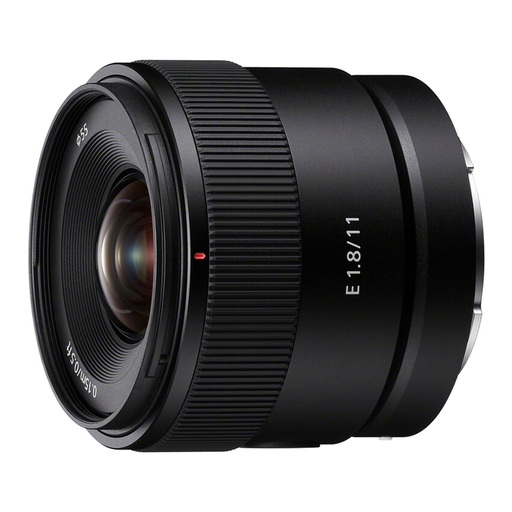
Sony E 11mm F1.8 APS-C wide-angle lens (SEL11F18)
The product name identifies this as a wide-angle lens; check whether the fabric texture you want to capture will appear large enough at your intended shooting distance.
The name specifies 11 mm, F1.8 and APS-C.
View on Joybuy
 No image available
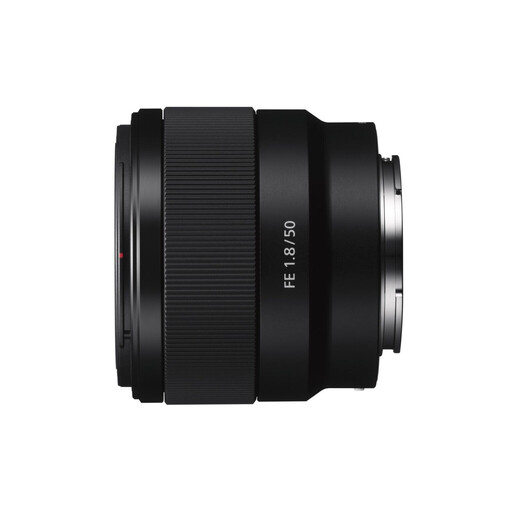
Sony E 50mm f/1.8 OSS Black
If you want fine threads to fill the frame, the stated maximum magnification is worth considering; the product information puts it below 1:1.
The name specifies 50 mm, f/1.8, OSS and the Black version. Check that the magnification suits the fabric detail you want to capture.
View on Joybuy
Frequently asked questions
Do you need 1:1 magnification for every fabric shot?
No, it depends on how small the piece of fabric is that you want to show in detail. 1:1 describes the magnification ratio on the sensor at the minimum focusing distance; to capture a larger area of the weave, you can shoot from further away. Check the maximum magnification of the exact model.
Why isn’t the minimum focusing distance the space available for your light?
The minimum focusing distance is measured from the sensor, while the working distance is the space between the front of the lens and the subject. Sony explains these distances separately. Check the working distance for the lens and magnification you want to use.
How can you get more threads of still fabric in focus?
Choose your focus point carefully and consider whether you need a series of shots taken at different focus positions. These can be combined into an image with greater depth of field; check whether your camera supports this in-camera or whether you’ll need software.
What are your rights when you buy a lens online in the Netherlands?
For a standard online consumer purchase, ACM ConsuWijzer says you generally have up to 14 days from delivery to change your mind; check which exceptions apply. The seller is also responsible for the statutory guarantee if a product used normally doesn’t meet your reasonable expectations. A limited manufacturer’s warranty doesn’t replace this legal right.


