
Photographers with an existing mirrorless camera
If you’re looking for a lens for a camera body you already own, check the exact mount. Canon RF, Nikon Z, Sony E, Sigma L-mount and Micro Four Thirds are not interchangeable.


First, check that the lens mount is compatible with your camera, then choose the magnification to suit your framing. A maximum magnification of 0.5× may be enough for a wider shot of the whole pin, while 1:1 or higher gives you more room to capture tiny details. Also check the working distance to make sure there’s space for lighting. Shiny enamel needs careful lighting, and a shallow depth of field may mean taking several shots at different focus points.
If you’re looking for a lens for a camera body you already own, check the exact mount. Canon RF, Nikon Z, Sony E, Sigma L-mount and Micro Four Thirds are not interchangeable.
For fine lines and markings, the maximum reproduction ratio matters more than simply having ‘macro’ in the name. For example, Canon specifies a maximum of 1.4× for the RF 100mm Macro and a maximum of 0.5× for the RF 35mm Macro.
In a compact setup, it’s important to leave room in front of the lens for lighting. Shiny enamel also calls for careful lighting and attention to depth of field.
First check your camera’s mount, then decide how much detail you want to show, and finally measure whether there’s enough space for the lighting you need.
| What to consider | What should you check? | Who is this important for? |
|---|---|---|
| Mount and camera | Compare the exact mounts on your camera body and lens. If you’re using an adapter, check that it’s designed for your combination. | I want to keep using my existing camera and avoid choosing a lens that isn’t compatible. Compatibility is the top priority for around 33% of consumers. |
| Framing and magnification | Check the maximum reproduction ratio and take the sensor size and pin dimensions into account. | I want to capture fine lines or markings clearly; a wider shot of the whole pin may call for a different setup. Around 27% of consumers prioritise the level of detail in their intended framing. |
| Working distance and lighting | Check the working distance at the magnification you want to use, and measure the available space on your table. | I need enough room on my small table to light a shiny pin. Around 20% of consumers give the highest priority to space for lighting and managing reflections. |
| Depth of field and setup | Check whether your camera supports the focus-stacking sequence you want and whether your setup is stable enough. | I want the pin to look sharp from front to back, and I can keep my subject still for multiple shots. Around 20% of consumers focus mainly on depth of field and a practical setup. |
The Canon RF 35mm and RF 85mm Macro offer a maximum magnification of 0.5×. That may suit a wider shot of the whole pin, but it provides less magnification than 1:1.
Compare the maximum reproduction ratio with the framing you want. Don’t rely on the lens name alone.
The minimum focusing distance is measured from the camera sensor, so it doesn’t tell you how much room there’ll be between the front of the lens and the pin. On a small table, that difference can determine where you can position your light source.
Look up the working distance at the magnification you want to use, and measure your setup before buying.
Reflections depend on the lighting. When shooting close up, only part of the pin may be in focus at a time. A lens with higher magnification won’t solve these issues on its own.
Plan the direction and spread of your light, and decide how you’ll manage depth of field.
Canon offers macro lenses for different mounts, including RF and EF, so always check the full model designation.
The FE 90mm F2.8 Macro G OSS is a 1:1 macro lens for a compatible Sony E-mount camera.
The NIKKOR Z MC 105mm f/2.8 VR S is designed for a compatible Nikon Z camera and offers 1:1 close-up photography.
The 105mm F2.8 DG DN Macro | Art is available in separate Sony E-mount and L-mount versions.
The M.Zuiko Digital ED 60mm F2.8 Macro is designed for Micro Four Thirds.
These product picks are related to photography with Sony E-mount lenses. Before buying, check that the lens and stated magnification are suitable for your camera and the framing you want.
 Image unavailable
Only relevant for a compatible Sony E camera. Its stated magnification is below 0.5×, so consider whether it suits the framing you want for the pin.
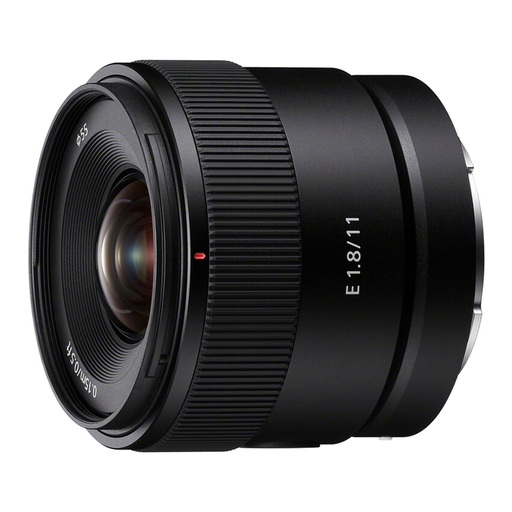 Image unavailable
Only relevant for a compatible Sony E camera. Its stated magnification is below 0.5×, so check whether it’s enough to show the details you want on the pin.
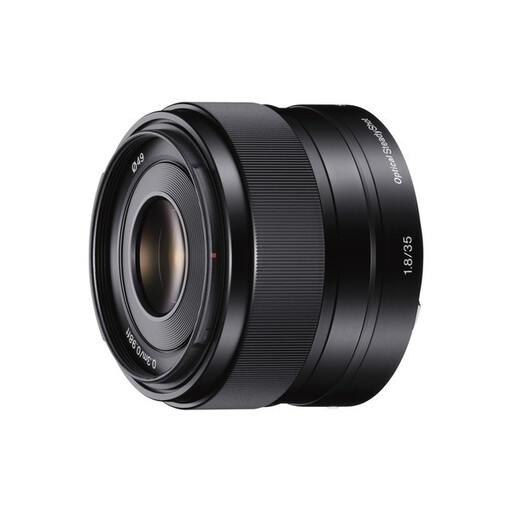 Image unavailable
Only relevant for a compatible Sony E camera. Its stated magnification is below 0.5×, so bear that in mind if you want to capture tiny markings at a larger size.
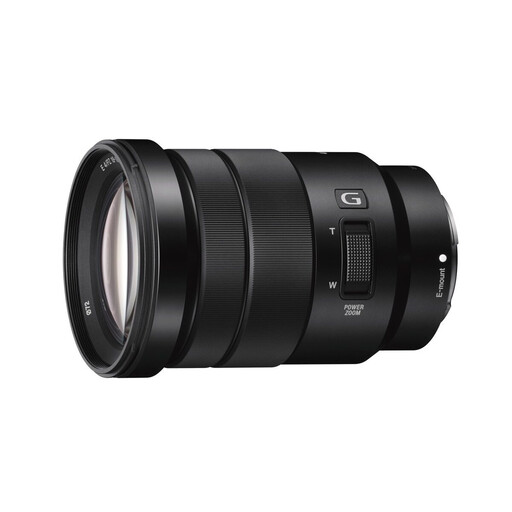 Image unavailable
Only relevant for a compatible Sony E camera. Its stated magnification is below 0.5×, so check whether the framing will show enough detail on your pin.
No, not necessarily. Compare the dimensions of your pin and the framing you want with what your camera can capture to fill the frame. A lens with a maximum magnification of 0.5× may suit a wider shot; 1:1 offers more magnification for tiny details.
The minimum focusing distance is measured from the camera sensor, while the working distance is the space between the front of the lens and the subject. Sony lists a working distance of around 13 cm for the FE 90mm, compared with a minimum focusing distance of 28 cm.
Adjust the direction and spread of the light to assess reflections. To increase depth of field, you can try a focus-stacking sequence with a stationary pin if your camera and workflow support it. This technique won’t correct reflections on its own.
No. According to ACM ConsuWijzer, your statutory guarantee depends on what you could reasonably expect from the product. If a fault is covered by that guarantee, the seller must provide a solution; a manufacturer’s guarantee is separate.
Not always. The Dutch government states that many distance sales to consumers come with a 14-day cooling-off period, but this doesn’t apply to every transaction. Check whether you’re buying from a trader or a private seller, and which terms apply to your purchase.