
Student with a small desk
Designs a homepage in a fixed, limited workspace and wants to know how much room the computer, screen and input devices will take up together.


For a portfolio homepage in Figma and a browser, a compact desktop is often a sensible option to compare. Figma describes its software as primarily browser-based and compatible with desktop operating systems such as macOS and Windows. Choose macOS if you need that environment, or a Windows mini PC if it works better with your other software. For every configuration, check your programmes’ system requirements, the connections for your screen and peripherals, and what you’ll need to buy separately.
Designs a homepage in a fixed, limited workspace and wants to know how much room the computer, screen and input devices will take up together.
Mostly creates screen designs and tests the website in a browser. Figma describes its software as primarily browser-based and compatible with desktop operating systems.
Uses software such as Photoshop alongside their homepage design, and can compare Adobe’s system requirements with the computer’s configuration.
Choose this option if: you specifically want to design or test in macOS and already have an external screen and input devices, or have budgeted for them.
Bear in mind: you’ll need to match the storage and connections to your files and screen; the computer doesn’t replace the screen.
Choose this option if: you use Windows programmes and want the computer itself to take up very little desk space.
Bear in mind: specifications vary by configuration. A product family name doesn’t tell you which processor, storage or accessories are included in the offer you’re considering.
Choose this option if: you use software with more demanding system requirements alongside your homepage design, or need specific configuration and service options.
Bear in mind: compare the exact configuration and space required; a business product name alone doesn’t prove it’ll benefit the software you use.
| Consideration | What to check before buying | Who is this important for? |
|---|---|---|
| Compatible with your software | Make a list of your programmes and check their current system requirements. Figma describes its application as primarily browser-based; Adobe publishes separate system requirements for Photoshop. | If I use Figma alongside image-editing software, I want to know whether the specific configuration meets my programmes’ requirements. Around 33% of consumers prioritise compatibility with their own software. |
| Space in your student room | Measure the space available for both the computer and screen. Check where you’ll place them and keep the ventilation openings clear. | With a small desk, I want to know in advance how much room the computer and screen will take up, so the whole workspace fits. Around 25% of consumers prioritise the space available on their desk. |
| Total cost of your workspace | Compare what you already have with what’s included in the exact offer; factor in any essential peripherals and software. | If I still need a screen or input devices, I want to compare the cost of a complete workspace, not just the computer. Around 25% of consumers prioritise the total purchase cost. |
| Screen and connections | Check your screen’s input, the outputs on the exact PC configuration and whether you have a suitable cable. Assess screen quality separately against your own requirements. | If I want to use my existing screen, I need to know whether its connections and cable are compatible with the computer I choose. Around 17% of consumers prioritise screen compatibility. |
For the Lenovo IdeaCentre Mini configuration reviewed, the screen, keyboard and mouse are sold separately. Comparing the computer alone can therefore give you an incomplete picture.
Compare what you already own with what’s included in the exact offer, and assess the cost of a complete workspace that works for you.
Configurations in the Lenovo IdeaCentre Mini 01IRH10R family can vary; the family name doesn’t tell you which configuration is being offered.
Check the full model identity and the listed processor, memory, SSD and connections.
Figma describes its application as primarily browser-based. Other design software may have its own system requirements, but that doesn’t automatically mean you need more powerful hardware for browser-based design alone.
First decide which programmes you actually use, then compare their system requirements with specific configurations.
Mac mini configurations are an option if you’re looking for a compact macOS desktop. Compare the full configuration rather than just the series name.
The IdeaCentre Mini is a compact Windows option for a permanent workspace; always check the full model and configuration.
Dell Pro Micro is a business Windows mini desktop worth comparing if configurability or the service options on offer matter to you.
The ProDesk range includes Mini and SFF form factors, giving you different Windows desktop cases to compare.
The NUC Mini PC range is an option for comparing compact Windows computers with other mini desktops.
This selection includes compact Windows PCs, a larger Windows desktop and Mac mini configurations for a permanent workspace. Compare each configuration with your software, available space and the screens and input devices you already have.
 No image available
A compact Windows 11 mini PC to compare if space for the computer is limited; Figma describes its application as compatible with desktop operating systems.
The listed dimensions are 105 × 113 × 45 mm. The title specifies Intel Core i5 8250U/8350U, 8 GB DDR4 and a 256 GB SATA SSD; check which processor is included in the configuration on offer.
 No image available
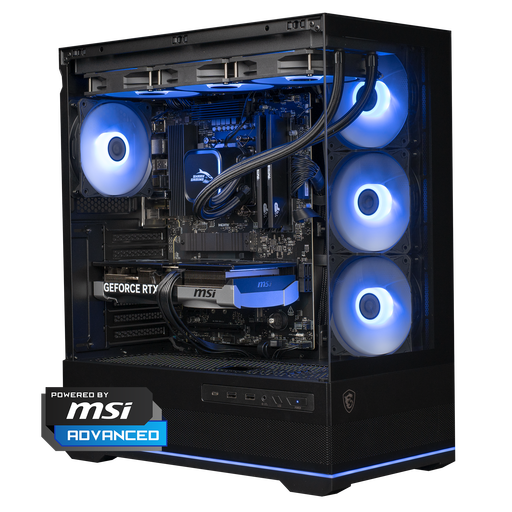
Only compare this larger Windows desktop if it fits in your room and, alongside browser-based design, you use other software whose requirements you want to assess against the configuration.
The listed dimensions are 420 × 225 × 485 mm. The offer specifies Windows 11 Home, 16 GB DDR5 and a 1 TB NVMe SSD. According to the offer, the charger must be purchased separately.
 No image available
A compact macOS desktop to compare if you want to work in macOS and already have a screen and input devices, or have factored them into your choice.
The title specifies an M6 chip with a 12-core CPU and 12-core GPU, 16 GB of memory and a 256 GB SSD.
No image available
A compact macOS desktop to compare if you want to work in macOS and already have a screen and input devices, or have factored them into your choice.
The title specifies an M6 chip with a 12-core CPU and 12-core GPU, 16 GB of memory and a 512 GB SSD.
No image available
A compact macOS desktop to compare if you want to work in macOS and already have a screen and input devices, or have factored them into your choice.
The title specifies an M6 chip with a 12-core CPU and 12-core GPU, 24 GB of memory and a 512 GB SSD.
Not on the basis of Figma alone: Figma describes its application as primarily browser-based and says it has low graphics requirements when used in most browsers. Check the system requirements separately for any other programmes you use.
Check that the output on the exact computer is compatible with the input on your screen and that you have a suitable cable. Keep the ventilation openings clear when positioning the computer; the safety information for the Lenovo offer reviewed explicitly warns about this.
Use energy-saving settings and keep using your computer for as long as possible. Milieu Centraal advises repairing or replacing outdated components where possible; the organisation also says you can take an old computer to a shop or your local council recycling centre.
According to the Dutch government, online distance purchases from a business generally come with a 14-day cooling-off period. You’re also entitled to a product that is fit for purpose and can contact the seller if there’s a problem. The Dutch government states that the Netherlands doesn’t have one fixed statutory warranty period for all products.