
Vandaag of morgen in huis

Kwaliteit gegarandeerd

Welkomstaanbiedingen ontgrendelen: GRATIS bezorging | Tot 80% korting | Gratis 30 dagen JoyPlus-proefperiode
Download de app
If you're serious about lure fishing, you know the right rod can make the difference between a successful day and a frustrating session. However, the market is flooded with options, specifications, and marketing jargon. Finding the perfect lure rod to match your technique and target species can be a challenge.
My name is Joybuy, and as a Product Recommendation Officer, my job is to sift through the noise and provide you with practical advice. In this article, I'll help you understand the key features and present concrete recommendations for the advanced predator angler.
Before we look at products, here are a few key considerations to help you make an informed choice.
A rod's action determines where it bends under pressure. A fast action rod bends primarily at the tip, providing sensitive bite detection and enabling quick, powerful hook sets. This is ideal for techniques like jigging and fishing with softbaits. A rod with a medium or parabolic action bends further down the blank, which helps absorb the lunges of a strong fish and presents lures like crankbaits more effectively.
The casting weight indicates the optimal lure weight the rod is designed to cast. Fishing with lures that are too light or too heavy for your rod will result in poor casting performance and reduced control. Therefore, always match the casting weight to the lures you use most frequently.
Do you primarily fish for pike and perch in freshwater, or do you battle sea bass on the coast? The answer determines your choice of materials. A saltwater rod is built with corrosion-resistant materials. Pay close attention to the guides and the reel seat. Components from brands like Fuji, such as Fuji SiC guides, are renowned for their durability and performance in saline conditions. They are smoother, harder, and dissipate heat more effectively, which improves the lifespan of your line.
An all-around predator rod can suffice for many situations, but specialisation often yields better results.
Based on specifications and intended use, we have selected several popular ECOODA rods that meet the demands of the serious lure angler.
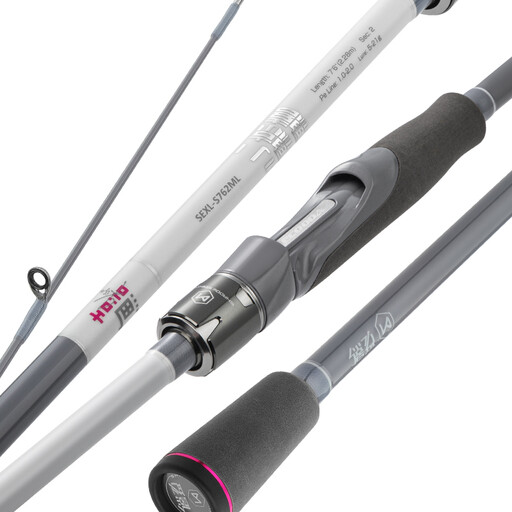
Why it stands out: The SEXL is a versatile rod designed for a wide range of predatory fish, from perch and zander to even smaller saltwater species. The finish with Fuji SiC guides and a Fuji O-Ring at the tip is a testament to its quality and durability, which isn't standard in every price range.
Pros:
Who is this rod for? For the angler seeking a reliable and versatile predator rod who values durable components and doesn't want to be limited to a single technique.
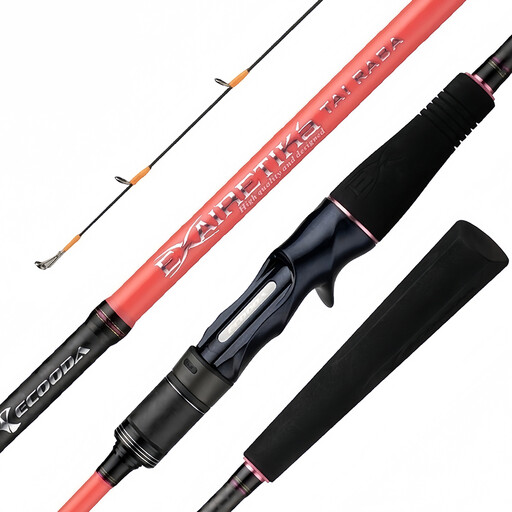
Why it stands out: This is a specialist rod, specifically developed for the Japanese boat fishing techniques of Tai Rubber and Tenya. This style of fishing demands a rod with a very soft, parabolic tip for a natural lure presentation and a strong backbone to set the hook in deep water. The EETB is built precisely for this purpose.
Pros:
Who is this rod for? For the serious boat angler dedicated to the technical fishing styles of Tai Rubber and Tenya, who is looking for gear that is perfectly tailored for the job.
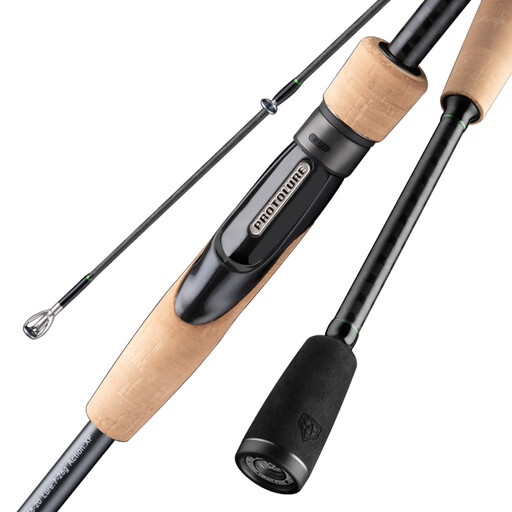
Why it stands out: The Protolure CC is clearly positioned as a sea bass rod. Its specifications are focused on casting lures over long distances and having the power to control a strong sea bass in the current. The 2-piece construction makes it relatively easy to transport, a bonus for the mobile coastal angler.
Pros:
Who is this rod for? For the avid coastal angler who primarily targets sea bass and needs a rod built for power, casting distance, and durability in a saltwater environment.
If one of these specific rods isn't quite what you're looking for, or if you want to explore the wider range, we can help. The world of lure fishing is vast, with rods for every imaginable technique and species. Take a look at our full collection for more options.
The main difference lies in the reel and the line guides. A spinning rod is used with a spinning reel that hangs beneath the rod and has larger guides. A baitcasting rod is used with a reel that sits on top of the rod and has smaller guides. Baitcasters generally offer more precision and power, while spinning rods are easier to use, especially with light lures and in windy conditions.
Fuji is a leading manufacturer of rod components like guides and reel seats. The use of Fuji components is often seen as a mark of quality. They are known for their durability, light weight, and performance, especially in corrosive saltwater environments. They help reduce friction on the line, resulting in longer casts and less line wear.
Yes, absolutely. A saltwater rod is built to withstand the harsh conditions of saltwater and is therefore more than robust enough for freshwater. However, the reverse is not recommended: a standard freshwater rod will quickly corrode and wear out if used regularly in saltwater.
