
Livraison le jour même et le lendemain

Qualité garantie

Débloquez vos offres de bienvenue: Livraison GRATUITE | Jusqu'à -80 % | 30 jours d'essai gratuits à JoyPlus
Téléchargez l'application
A lunchbox that leaks in your bag, a lid that no longer closes properly after a few weeks or a container that cannot go in the microwave: these are common reasons why a purchase disappoints. When it comes to lunchboxes and food storage containers, it is not just appearance or capacity that matters. The material, seal, size and care requirements all determine whether a container suits your everyday needs.
Pay particular attention to these three pitfalls:
Stainless steel is sturdy and lighter than glass. The product listings for 304 and 316L steel containers state that these materials are intended for reusable food storage. Do check the instructions, though: the Maxcook 316L set explicitly states that it must not be used in the microwave and should be kept away from naked flames.
Glass food storage containers let you see the contents. This is useful when you want to identify leftovers or meal prep portions quickly. Glass is heavier, however, and can break if dropped. Also check whether the lid and silicone components are individually suitable for the dishwasher or heating.
Plastic can be a practical choice for a lightweight lunchbox for work and school. Check the permitted temperatures and the dishwasher and microwave instructions. If this information is not clearly stated, do not automatically use the container for hot meals.
Disposable lunch containers are useful for a party, takeaway meal or event where you do not need to get the containers back. The product listings for the Rui bamboo fibre packaging and the sugar cane pulp boxes describe disposable use and biodegradable properties respectively. Treat this as information from the product listing and check your local waste disposal guidance.
A leakproof lunchbox needs more than just a click-lock lid. Check whether it has:
The Cooker King set states that a silicone air valve should be opened first when storing hot food or soup. This allows built-up steam pressure to escape before the lid is opened. Allow food to cool first whenever this is required by the instructions, and test a new container at home with water before carrying it in a full bag.
Choose the capacity based on your meal, not just the number of compartments. A single compartment is practical for pasta, salad or leftovers. A model with two to five compartments keeps ingredients separate, such as bread, fruit and snacks.
Check the dimensions too. A large container may not fit in your work bag or cycle bag. For meal prep, sets with matching sizes are easier to organise in the fridge. For everyday use, dishwasher-safe food storage containers with lids can save time, but check whether this also applies to the lids and seals.
The Cooker King information states that the steel containers are dishwasher-safe, while the lids and silicone seals are best cleaned on the top rack or by hand. According to the same instructions, the insulated bag included in the set must not be put in the machine. Do not use wire wool or abrasive scourers, as these can cause scratches and damage the seals.
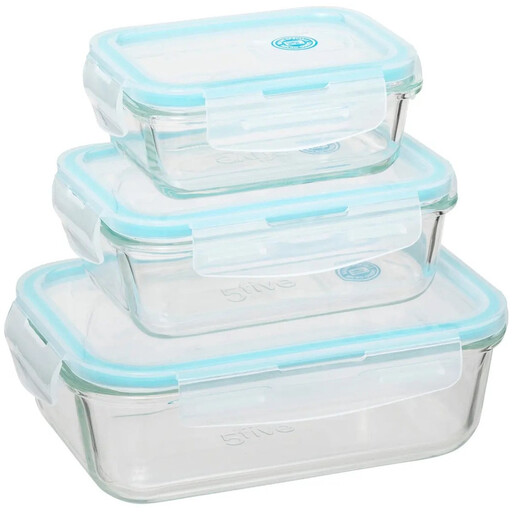
Why it suits this profile: A set of three rectangular glass containers is a simple starting point for leftovers, lunches and small meal prep portions. The transparent glass makes it easy to see the contents at a glance.
The rectangular shape makes stacking and organising more straightforward than using assorted loose containers. Before buying, check the instructions for the lid and heating.
Set of three; transparent glass; suitable for lunches, leftovers and meal preparation according to the product description.

Why it suits this profile: If you store several portions at once, you get four rectangular containers of 1600 ml each. That makes them suitable for larger quantities of leftovers and meal prep.
The product information clearly states: do not use in the microwave and do not place near naked flames. This sets out the usage limitations clearly.
316L stainless steel according to the product description; four 1600 ml containers; suitable for the dishwasher and freezer according to the stated specifications.
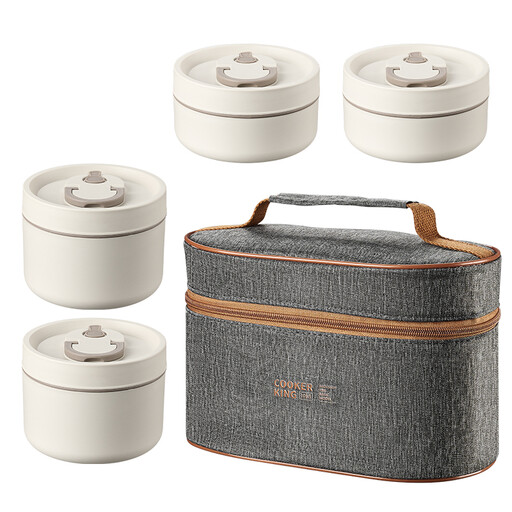
Why it suits this profile: This five-piece set is aimed at anyone who regularly takes lunches and leftovers with them or divides food into several portions.
The instructions mention the silicone pressure-release valve and distinguish between cleaning the containers, lids and insulated bag.
Five-piece set; steel containers according to the product name; containers are dishwasher-safe according to the product information; insulated bag included.
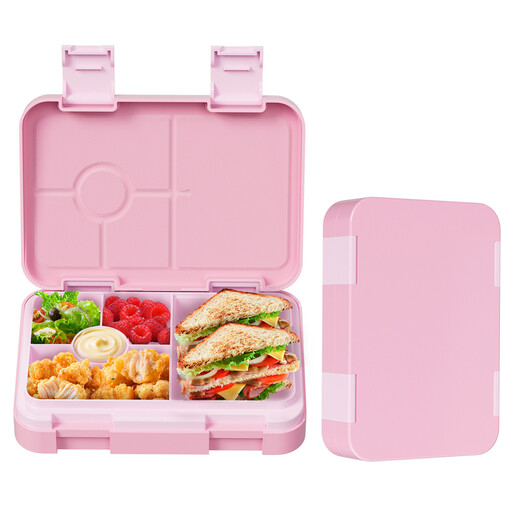
Why it suits this profile: Five compartments help keep fruit, bread, snacks and other items separate when taking lunch to school or work.
The product name highlights the double latch. For liquid foods, however, check the seal and any usage restrictions before buying.
Bento layout with five compartments; double latch according to the product name; designed for portable lunches.
We have put together a complete, up-to-date list of products that fully meet these strict selection criteria and the applicable European safety regulations.
Usually not. Metal should not be placed in a microwave. The Maxcook 316L containers explicitly state that microwave use is not permitted. Always check the instructions or product information before heating a container.
Use a container with a properly fitting silicone sealing ring and sturdy closure. Do not overfill it, refit the ring correctly after cleaning and test the container at home with water. Only carry soup or sauce if the manufacturer confirms that the container is suitable for this use.
Their lifespan depends on the material, closure and care. Stainless steel containers can be practical for regular use, while silicone rings may wear over time. Replace the ring or container when the lid no longer closes properly, the material is damaged or persistent odours remain.
