
Vandaag of morgen in huis

Kwaliteit gegarandeerd

Welkomstaanbiedingen ontgrendelen: GRATIS bezorging | Tot 80% korting | Gratis 30 dagen JoyPlus-proefperiode
Download de app
A lunch box may seem simple, but you often only notice you’ve chosen the wrong one after a few weeks. A lid that doesn’t close properly, compartments that are too small or a container that’s difficult to clean can make everyday use unnecessarily frustrating. An ordinary lunch box may not be suitable for a hot meal, either.
So don’t just focus on the colour, shape or “leakproof” claim. Check the construction, capacity, closure and care instructions. Below, you’ll find the key things to look out for, along with some suitable product options for different needs.
A leakproof lunch box isn’t automatically suitable for soup or for carrying in any position. Some models specify that the box must remain upright when carrying liquids or saucy food. So check:
A closure can help prevent spills during normal upright transport, but that’s not the same as a guarantee that it won’t leak in a bag that tips over.
A plastic lunch box may be lightweight, while a stainless steel lunch box generally offers a different level of sturdiness and a different look. The material you choose also affects how you care for the box. With stainless steel, look at the difference between 304 stainless steel and 316 stainless steel. These are material grades, not an automatic guarantee of a longer lifespan.
Also check the lid construction. A metal container may be dishwasher-safe, while the silicone ring or lid may need to be hand-washed. Always follow the specific product instructions.
A wide lunch box with compartments is handy for sandwiches, fruit and snacks, but it’s not always suitable for a large hot meal. Conversely, a 1.5-litre insulated food jar may be unnecessarily large for a small lunch or a child.
Think about how you’ll use it regularly:
Capacity in litres doesn’t tell you everything. A narrow, tall insulated food jar offers a different experience from a flat lunch box. Check the external dimensions and compare them with your bag, bike bag or work fridge. A 1.5-litre model, for example, is suitable for a generous meal or several portions, but it also takes up more space.
In an insulated lunch box, vacuum insulation works by creating an insulating layer between the walls. According to Maxcook’s product description, the temperature of the relevant food jars can be maintained for approximately 4 to 6 hours. This is a stated product specification; the actual duration depends on factors such as the starting temperature, the amount of food and how often you open the lid.
For better results, the manufacturer says you can preheat the jar for a few minutes with hot water or pre-cool it with cold water. This is a usage instruction, not a guarantee of a particular serving temperature.
A lunch box with compartments keeps sandwiches, fruit and snacks separate. However, built-in dividers don’t always make the compartments watertight. If the product information doesn’t mention separate seals, pack sauces separately.
Also look for:
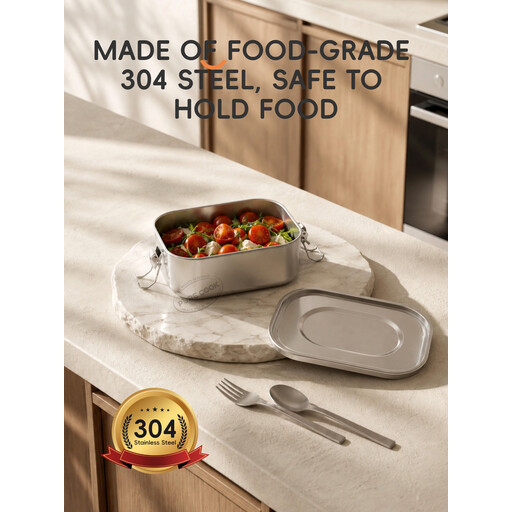
Why it suits this profile: This simple stainless steel lunch box is a good choice if you’re looking for a reusable box for work, school or a day out without a complicated compartment layout.
The product description mentions a silicone sealing ring and two metal clips. The box must be kept upright when carrying liquid food.
304 stainless steel, one deep compartment, metal clips and, according to the product information, dishwasher-safe.

Why it suits this profile: Ideal for commuters and adults who regularly take soup, pasta or another hot meal with them and value a wide opening.
The wide opening makes filling, eating and cleaning easier. The product information describes the closure as leakproof, but doesn’t recommend turning the jar upside down or tilting it.
316 stainless steel, vacuum insulation, a 1.5-litre capacity and stated temperature retention of 4 to 6 hours.
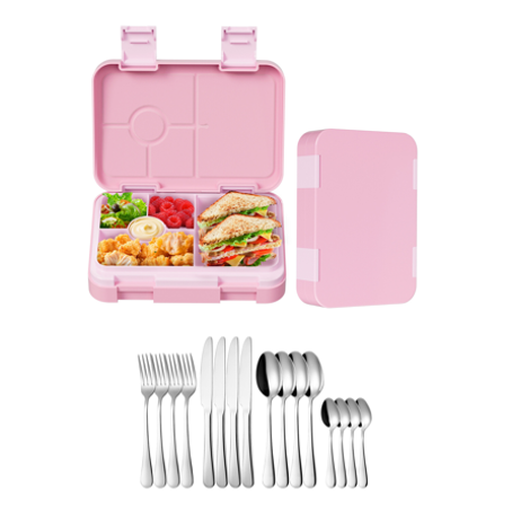
Why it suits this profile: Handy if you prepare meals in advance and want to keep sandwiches, vegetables, fruit and snacks separate.
Five separate compartments help keep different foods apart. The product description mentions double closures; liquid sauces still need to be carried carefully.
Five compartments, a double closure and a 16-piece stainless steel cutlery set included.
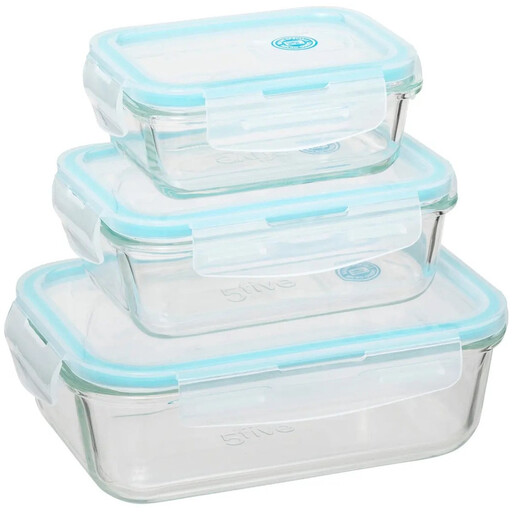
Why it suits this profile: A practical choice for leftovers, fridge storage and meal prep at home when you want to see what’s inside at a glance.
The transparent glass containers make it easy to see what’s inside, so you’re less likely to grab a size that doesn’t suit or forget about a meal.
A set of three rectangular glass food storage containers, suitable for leftovers, lunch prep and keeping your fridge organised.
We’ve put together a full, up-to-date list of products that meet these strict selection criteria and the applicable European safety regulations.
Choose an insulated food jar with a wide opening, a secure seal and clear instructions for hot contents. According to its product description, a model such as the Maxcook 1.5-litre jar is designed for hot and cold meals. Carry the jar upright and open any pressure valve carefully.
That depends on the material, closure and how well you care for it. A stainless steel container can last a long time if you avoid scratches, harsh scouring products and incorrect dishwasher use. Silicone sealing rings and clips are wear parts. Check them regularly for warping, cracks or a closure that no longer seals properly.
That depends on your meals, portion sizes and how often you use them. Meal prep containers let you take leftovers and pre-prepared portions with you, so you may not need to buy an individual lunch as often. Choose a set you’ll actually use, and consider whether it stacks, how easy it is to clean and how much space you have in your fridge.
