
Livraison le jour même et le lendemain

Qualité garantie

Débloquez vos offres de bienvenue: Livraison GRATUITE | Jusqu'à -80 % | 30 jours d'essai gratuits à JoyPlus
Téléchargez l'application
A lunch box may seem simple, but the difference between a useful product and a daily annoyance often comes down to the details. A lid that doesn’t quite close properly, too little room for a normal meal or a material that holds on to odours: you usually only notice these problems after using the box a few times.
For school, the office, train journeys, meal prep or a day out, there are three main pitfalls to watch out for:
Start by thinking about when you’ll eat and how you’ll carry your lunch. A compact bento lunch box with several compartments works well for a pupil or office worker who takes a selection of smaller portions. For soup, curry or pasta, an insulated food pot, also known as a food jar, is a better choice. If you prepare several meals in advance, stackable meal prep containers or food storage boxes are more useful.
For a picnic, camping weekend or long car journey, a cool bag or camping cool box makes more sense than an ordinary lunch box. Check the capacity, portability and space for ice packs.
A plastic lunch box is often lightweight and easy to carry. Check that the product information says the plastic is intended for contact with food. A suitable food-contact symbol or information about EU compliance offers more reassurance than general claims such as “safe” or “premium”.
A stainless steel lunch box is sturdy and generally absorbs fewer odours than some plastics. 304 stainless steel is commonly used for food containers. 316 or 316L stainless steel is often associated with greater corrosion resistance in product information, but that doesn’t automatically mean every product is better suited to your needs. The seal, shape and cleaning instructions are just as important.
Glass is useful when you want to see what’s inside and for some meal prep uses, but it’s heavier and more fragile. Also check whether the lid and silicone rim can be cleaned separately.
A leak-proof lunch box should have a fastening you can check properly. Look for:
A lunch box with a loose or hard-to-reach seal can trap food residue over time. Check the ring regularly for cracks and replace the product if the fastening no longer works reliably.
A wide opening on a thermal food container makes it practical for soup, rice dishes and eating straight from the pot. According to the Maxcook food jars’ product description, the vacuum insulation helps keep hot or cold contents at temperature for longer. The stated guide is 4 to 6 hours, depending on preparation and conditions. For best results, the product information recommends warming or cooling the pot first with hot or cold water.
A capacity of 500 to 800 ml may be enough for a standard lunch, while a larger meal will need more room. Don’t just look at the millilitre capacity: check the external dimensions too. A box may seem suitable in terms of capacity but still not fit in your rucksack pocket or bike bag.
A 1.4 or 1.5-litre food jar offers plenty of space, but it’s also heavier and bulkier than a compact lunch box. According to the product specifications, the Maxcook 304 food jar has a capacity of 1.4 litres and weighs around 0.82 kg. The Maxcook 316 version has a capacity of 1.5 litres and weighs around 0.86 kg. The difference looks small on paper, but you may notice it when you’re already carrying a laptop, water bottle and other items.
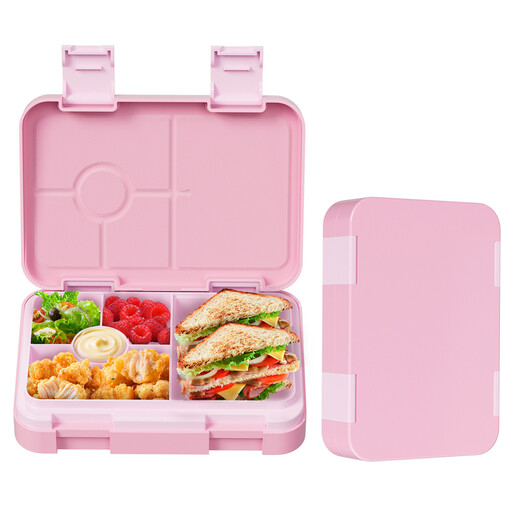
Why it suits this profile: The five compartments are handy for bread, fruit and small snacks, so you don’t need to take several containers with you.
The double latches provide a more clearly defined fastening than a loose clip-on lid. Before use, check the exact seal and capacity.
Five compartments and double latches, as stated in the product name; suitable for a varied cold lunch.

Why it suits this profile: A good choice for commuters, workers and outdoor enthusiasts who want to take a generous hot or cold meal with them.
The wide opening makes filling and cleaning easier than with a narrow, bottle-shaped container. The product description says the pot is leak-resistant; carry it upright as instructed.
316 stainless steel, vacuum insulation, a wide opening and a 1.5-litre capacity, according to the product specifications.
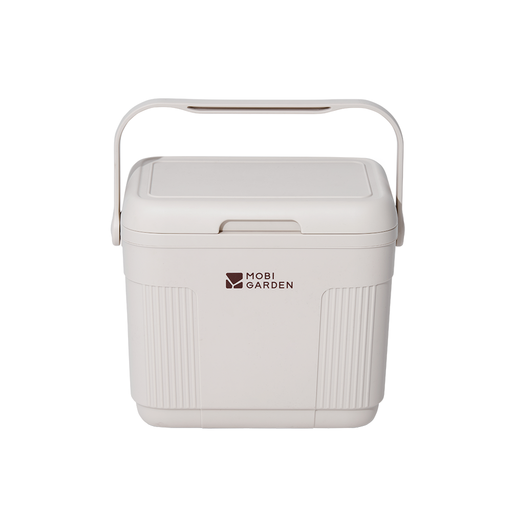
Why it suits this profile: This camping cool box is designed for picnics, fishing, camping and car journeys when you need to keep several items chilled.
The product information states that the box doesn’t actively cool its contents. To achieve the stated cooling time, you’ll need ice packs, pre-chilled contents and to keep the lid closed as much as possible.
10-litre capacity, PU insulation layer, integrated handle and a lid with space for an ice pack, according to the product specifications.

Why it suits this profile: Four containers in the same size make it easier to organise leftovers, shopping and lunches prepared in advance.
A set saves you from having to combine containers in different sizes. Do note the stated warning: not suitable for the microwave, and handle with care around sharp objects.
Four containers, each with a capacity of 1,600 ml, made from 316L stainless steel and, according to the product information, suitable for the dishwasher and freezer.
We’ve put together a complete, up-to-date list of products that meet these strict selection criteria and the applicable European safety regulations.
Wash a new lunch box before using it for the first time, and dry all the parts thoroughly. For a food jar, preheat or pre-chill it according to the product instructions. Don’t store food for longer than is suitable for the temperature and conditions; an insulated pot is no substitute for a fridge.
Also bear these points in mind:
For a light lunch, around 500 to 800 ml is often practical. If you’re taking fruit, snacks and a main meal, consider a larger lunch box with compartments or several separate containers. Always check the external dimensions to make sure it fits in your bag.
No. Stainless steel must not be used in the microwave. A metal lunch box may be suitable for cold meals or carrying food, but always follow the manufacturer’s warnings. A food jar is designed to keep food hot or cold, not to heat it in the microwave.
Don’t overfill it, check that the seal is clean and correctly positioned, and close all the clips or the lid fully. Test a new box with water over the sink first. It’s best to carry liquids upright; even a product described as leak-resistant can spill if it’s tilted or the ring isn’t fitted correctly.
