
Vandaag of morgen in huis

Kwaliteit gegarandeerd

Welkomstaanbiedingen ontgrendelen: GRATIS bezorging | Tot 80% korting | Gratis 30 dagen JoyPlus-proefperiode
Download de app
A bag or suitcase that breaks after just a few uses is a waste of money. The zipper gives out, the "waterproof" material starts to leak, or the shoulder straps dig into your skin. A lot of marketing jargon conceals design flaws that only become apparent after purchase. Let's look at three common pitfalls so you can spot them in the future.
waterproof bag often has specific features like sealed seams or a roll-top closure.lightweight daypack sounds ideal, but "ultra-light" often means ultra-thin material that wears out or tears quickly. For daily use or heavier loads, durability is more important than shaving off a few grams.trekking backpack doesn't always offer 40 liters of usable space. An awkward layout, unnecessary dividers, or thick padding can significantly reduce the effective storage capacity.Before you make a choice, it's wise to check a few key specifications. These determine whether a product is worth its price in the long run.
The choice of material determines how well your luggage will stand up to real-world use.
carry-on suitcase made of 100% polycarbonate (PC) offers an excellent balance between weight and impact resistance. It's more flexible than ABS and less prone to cracking. Pay attention to the finish; a textured surface hides scuffs and scratches better.outdoor backpack or bike bag, abrasion-resistant polyester or high-denier nylon is a solid choice. Fabrics with a ripstop pattern (a woven grid) prevent small tears from spreading.Good luggage is designed with the user in mind. Look for details that enhance usability.
trekking backpack should have an adjustable harness system that transfers weight to the hips. For a running waist pack, an elastic, snug-fitting belt is crucial to prevent bouncing.crossbody bag or daypack with a smart compartment layout helps you stay organised. Think of a padded laptop sleeve, a hidden pocket for your wallet, and easily accessible side pockets for a water bottle.Below are some popular choices matched to different user profiles. We'll explain how these products avoid the pitfalls mentioned earlier.
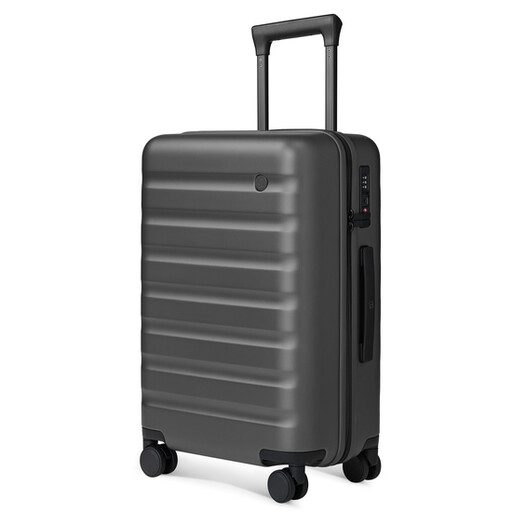
Why This Fits Their Persona: Ideal for short trips and carry-on use. Its dimensions meet most airline requirements, the hardshell protects your belongings, and the TSA lock ensures worry-free travel.
The 100% PC hardshell is durable and flexible, avoiding the pitfall of cheap, brittle materials. Its recessed hardware prevents damage, a common defect in budget-friendly suitcases.
Impact-resistant polycarbonate shell; 360° silent spinner wheels for smooth rolling; integrated TSA lock.
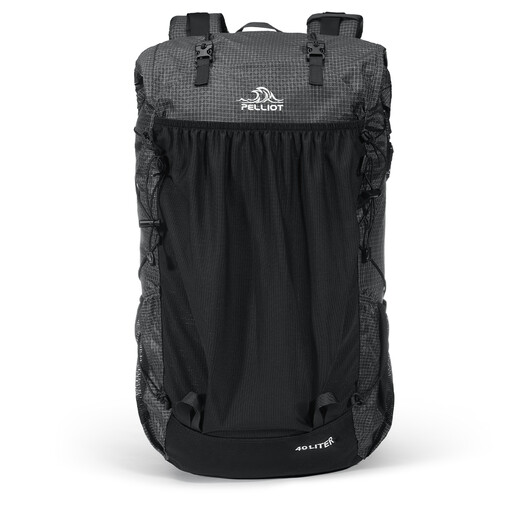
Why This Fits Their Persona: Designed for multi-day hiking trips. The focus is on carrying comfort and smart weight distribution, which is essential when carrying heavier loads.
It tackles the 'misleading capacity' trap with a smart layout and external attachment points. The light-alloy frame and dynamic harness system prevent the discomfort of a poorly fitting pack.
Frame for optimal weight distribution; 3D breathable back panel; abrasion-resistant fabric.
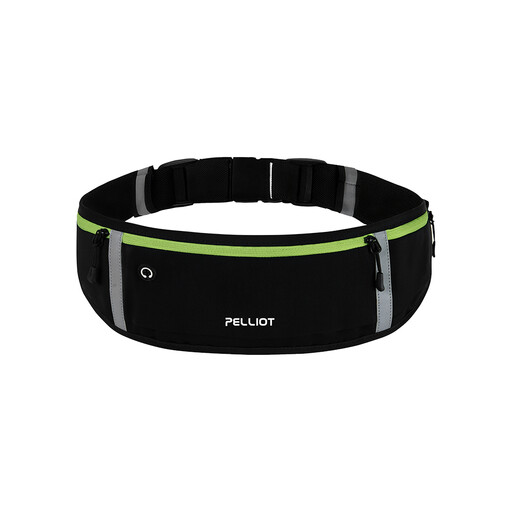
Why This Fits Their Persona: A hands-free solution for runners, cyclists, or gym-goers. Lightweight and designed to stay out of the way during movement.
The high-elasticity waist belt ensures a snug, bounce-free fit. This prevents the bouncing and chafing that is a common annoyance with standard waist packs.
Ergonomic, bounce-free fit; reflective strips for safety; sweat-wicking fabric.
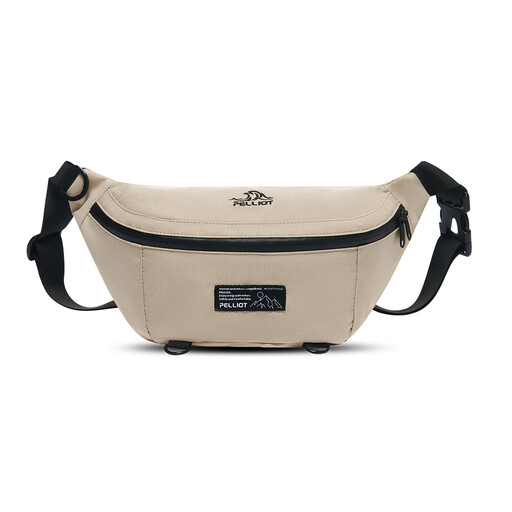
Why This Fits Their Persona: A compact and versatile bag for daily use. Large enough for essentials like an iPad mini, wallet, and phone, without being unnecessarily bulky.
It avoids the 'one-trick pony' trap with its 4-in-1 carrying styles. The use of YKK zippers and durable fabric counters the pitfall of cheap, fast-wearing materials.
Versatile (4 carrying styles); compact yet spacious; reliable YKK zippers and buckles.
We've curated a complete, up-to-date list of products that meet these strict selection criteria and current regulations.
Hardshell suitcases, often made of polycarbonate, offer better impact protection and are more water-resistant. They are ideal for transporting fragile items. Softshell suitcases are more flexible, often have external pockets, and can be easier to squeeze into tight spaces. The choice depends on what you're carrying and how you travel.
Most TSA locks come with a default 0-0-0 code. To set a new code, open the lock and look for a small reset button, often recessed into the mechanism. Press it with a pen, set your new combination, and then slide the opening button to the side to confirm the new code.
This depends on the purpose. For a day trip or daily commute, a lightweight daypack of 10-20 liters is usually sufficient. For a weekend trip or a short hut-to-hut hike, 20-40 liters will suffice. A trekking backpack for multi-day trips without resupply often starts at 40-60 liters or more.
