
Vandaag of morgen in huis

Kwaliteit gegarandeerd

Welkomstaanbiedingen ontgrendelen: GRATIS bezorging | Tot 80% korting | Gratis 30 dagen JoyPlus-proefperiode
Download de app
If you’re looking for Lucovitaal food supplements, you’ll quickly come across dozens of variants with similar names. A capsule of vitamin D3, B12 or magnesium might seem straightforward to choose, but differences in dosage, ingredients and duration of use can have a significant impact on your purchase. This guide helps adults in the Netherlands separate marketing language from verifiable product information.
More micrograms or milligrams sounds appealing, but the right amount depends on your diet, age, lifestyle and any advice from a doctor or pharmacist. Always compare the amount per tablet or capsule with the recommended daily dosage on the label.
With vitamin D3, for example, the variants range from 25 mcg to 75 mcg per capsule. A higher dosage may be relevant for some users, but it isn’t necessarily needed by everyone.
Don’t just check the front of the packaging. Also look at the capsule shell, excipients and allergens. Some vitamin D3 capsules contain gelatine, while other products, such as vegan omega 3, are made from microalgae. For a plant-based diet, the full ingredients list is therefore more important than a flashy product name.
A brand may state, based on its own research or product description, that a particular form is well absorbed or supports a specific function. That is no guarantee of a personal result. Claims about vitamins and minerals must comply with European regulations; claims about herbal extracts may also still be under review.
So treat a supplement as an addition to a varied diet, not as a replacement for meals or medical treatment.
Don’t just compare the price of a pot; calculate the price per daily dose. A pack of 120 capsules may seem more economical, but check whether you take one capsule a day or need several tablets.
Examples from the range:
The form of administration partly determines how easily you use the product daily:
Also pay attention to allergens. The B12 chewable tablets with cherry flavour, for example, list gluten in the ingredients information. The apple cider vinegar capsules with chromium and B vitamins contain soya.
For vegans and vegetarians, vegan supplements, magnesium bisglycinate, maca and microalgae omega 3 are available, among others. However, “vegan” isn’t the only thing to check. Also look at the amount of overlapping nutrients when you combine several products.
For example, if you use calcium with vitamin D3, calcium magnesium zinc and separate vitamin D3 alongside each other, you could be getting the same nutrients from different products. Discuss combinations with a doctor or pharmacist if you are taking medication, pregnant, breastfeeding or have a medical condition.
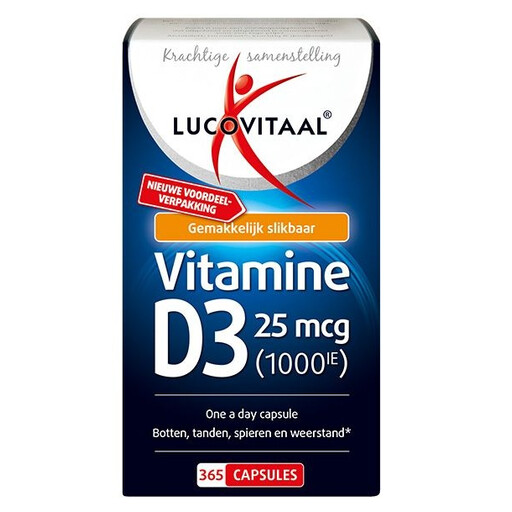
Why this fits the profile: A single daily dose and 365 capsules make it easy to compare the cost per use.
The dosage of 25 mcg and the number of capsules are clearly stated; you don’t have to rely solely on terms like “forte”.
365 capsules, 25 mcg vitamin D3 per capsule and a small softgel form. The capsule contains gelatine and is not vegan.
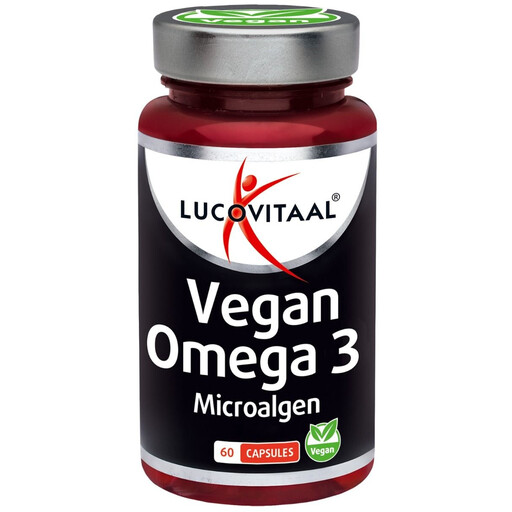
Why this fits the profile: This choice suits adults who want to supplement DHA without fish oil and who value the origin of the ingredient.
The product description mentions microalgae oil as the source and states 110 mg DHA per capsule. This makes the composition verifiable.
Vegan capsule, DHA from Schizochytrium algae and 60 capsules. According to the product information, it also contains vitamin E.
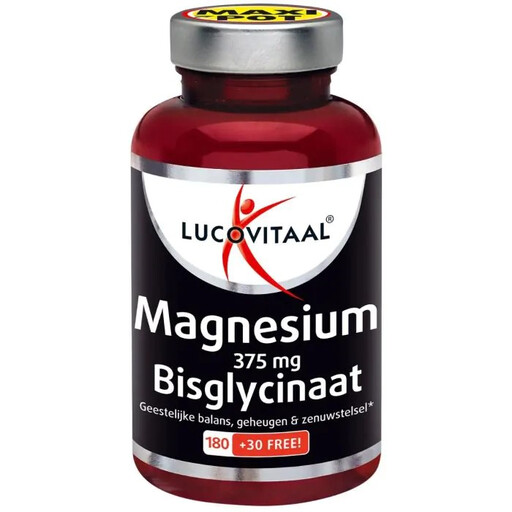
Why this fits the profile: Suitable for those who consciously pay attention to the magnesium form and can follow a daily schedule of two tablets.
The form magnesium bisglycinate is explicitly stated in the product name and ingredients list. A possible laxative effect is also mentioned.
375 mg magnesium bisglycinate, vegan and 210 tablets. The recommended intake according to the product information is two tablets per day.
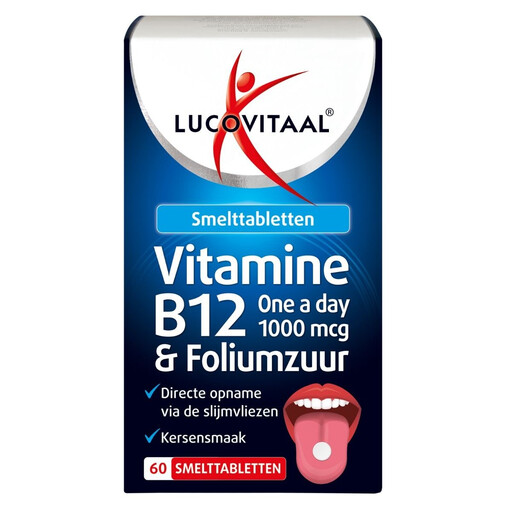
Why this fits the profile: The melt tablet is practical for adults who prefer not to swallow capsules and are looking for a vegan formula.
The B12 form, folic acid amount and vegan status are specified in the product information. Do check the sweeteners if you are sensitive to them.
1000 mcg B12, 300 mcg folic acid, vegan and 60 melt tablets. The recommended amount is one tablet per day.
For bones and muscles, you can compare calcium with vitamin D3 against calcium magnesium zinc. The Lucovitaal Calcium D3 Gummies provide 200 mg calcium and 10 mcg vitamin D3 per two gummies, according to the product information. The chewable tablets with 500 mg calcium and 20 mcg vitamin D3 are vegetarian and have an orange flavour.
For herbal extracts, turmeric curcumin, astaxanthin and a maca supplement are possible search directions. With turmeric, pay attention to the amount of curcumin, and with astaxanthin, the source, such as microalgae. With PEA supplement, apple cider vinegar capsules and konjac mannan, it is especially important to read the dosage, warnings and permitted claims on the packaging.
We’ve put together a full, up-to-date list of products that fully meet these strict selection criteria and comply with current European safety regulations.
Check the “best before end” date on the packaging and follow the storage instructions. Many products must be kept dry, sealed and out of direct sunlight. According to the product information, omega 3 from microalgae is best stored in the fridge.
This cannot be assessed without further information. First check whether vitamin D3, calcium, magnesium, B12 or other ingredients appear in multiple products. If you are taking medication or have a specific health condition, it is wise to consult a doctor or pharmacist.
Some are, others aren’t. Lucovitaal magnesium bisglycinate, vegan omega 3 and B12 with folic acid are listed as vegan. Vitamin D3 capsules may contain gelatine. Always check the current ingredients list and the vegan certification or product information.
