
Vandaag of morgen in huis

Kwaliteit gegarandeerd

Welkomstaanbiedingen ontgrendelen: GRATIS bezorging | Tot 80% korting | Gratis 30 dagen JoyPlus-proefperiode
Download de app
Buying a supplement for gut health seems straightforward – until you start comparing labels. One pack boasts billions of bacteria, another mentions fibre, vitamins or a “complete” complex. Yet a big number doesn’t automatically mean a product is right for your situation.
As Joybuy Product Recommendation Officer, I filter marketing claims down to practical product information. Focus on the composition, recommended dosage, target audience and format. That way, you avoid paying for ingredients you don’t need or choosing a product that’s hard to fit into your daily routine.
With Lucovitaal probiotics, the number of bacteria is often expressed in CFU. That stands for colony-forming units. However, a higher amount isn’t automatically a reason to choose a product. Also look at:
According to the product description from Lucovitaal, some capsules are acid-resistant or have micro-encapsulation. This is a product feature as described by the manufacturer, not a guarantee of personal results.
Probiotics are live bacterial cultures. Prebiotics are certain dietary fibres, such as FOS and inulin, which can be added to a product as part of the formula. A product containing both ingredients is not the same as a fibre supplement for bowel regularity.
If you’re mainly looking for extra fibre, it’s better to check the amount of psyllium or other fibres per daily dose. If you have a lactose issue, you should look for lactase tablets instead. A general gut flora supplement doesn’t replace that targeted choice.
A product for adults isn’t automatically suitable for children. Also, capsules, powders, chewable tablets and gummies are not interchangeable in terms of dosage. Always check the label if you are pregnant, taking medication, have allergies or an existing medical condition.
For the Lucovitaal product for children, the supplied product information states both “from 3 years” and a safety note from 5 years. So always check the current packaging and instructions for use before giving it to a child.
Don’t just compare the number of capsules or sachets, but the content per recommended daily dose. Examples:
These figures can be verified on the product page, but they don’t on their own tell you which supplement is right for you.
A powder can be handy if you struggle with capsules, but it must be taken immediately after mixing. The Lucovitaal Colon Phyta Fiber Powder is mixed with water, yoghurt, milk or fruit juice according to the instructions, and contains 70% psyllium fibre and 30% inulin.
Capsules are compact and suitable for a fixed daily routine. Chewable tablets can be practical for children or adults who don’t want to swallow capsules. Gummies are an easy option, but always check the fibre content and sweeteners.
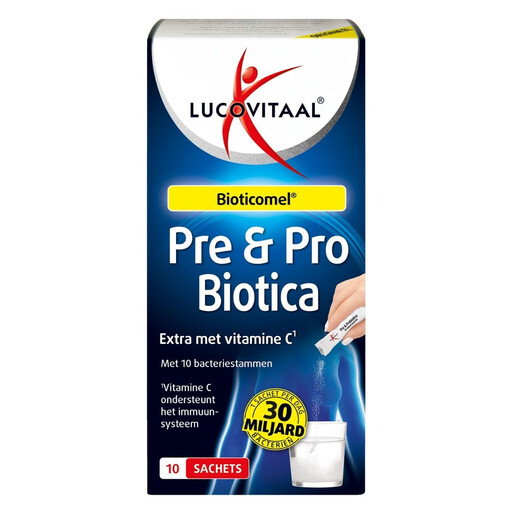
Why this fits the profile: The pack contains ten sachets, so you can try a short supply first without buying a large pot straight away. One sachet per day is dissolved in 250 ml of water or fruit juice.
The product description lists both the ten bacterial strains and the amount of FOS. So you don’t have to rely solely on the total number of bacteria.
30 billion CFU per sachet, 500 mg FOS, ten named strains and 12 mg vitamin C per sachet.
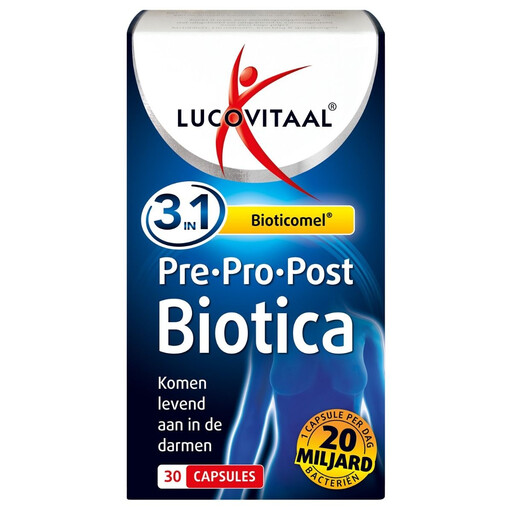
Why this fits the profile: This capsule is designed for adults who want to combine prebiotics, probiotics and postbiotics in one formula.
The composition separately lists the bacteria, inulin, FOS and inactive bacteria. This makes the “3-in-1” formula easy to compare.
20 billion live bacteria, 60 mg prebiotics, 2 billion postbiotics and a recommended use of one capsule per day.
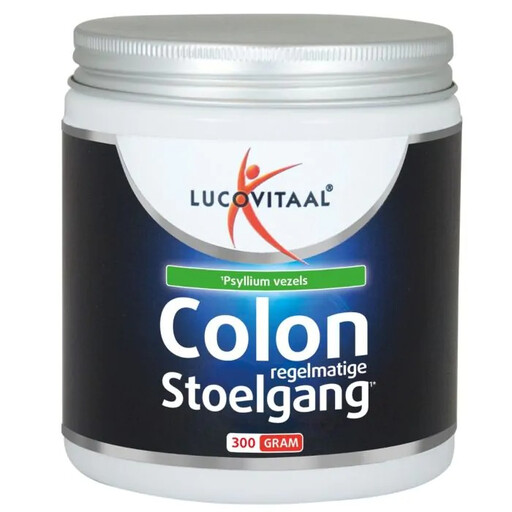
Why this fits the profile: This powder is suitable for adults who want to add targeted psyllium fibre and inulin to their daily diet.
The ratio is clearly stated: 70% psyllium fibre and 30% inulin. The instructions also emphasise that you should drink the mixture straight away.
300 grams total, 210 grams psyllium fibre, 90 grams inulin and, according to the product information, vegan, sugar-free and salt-free.
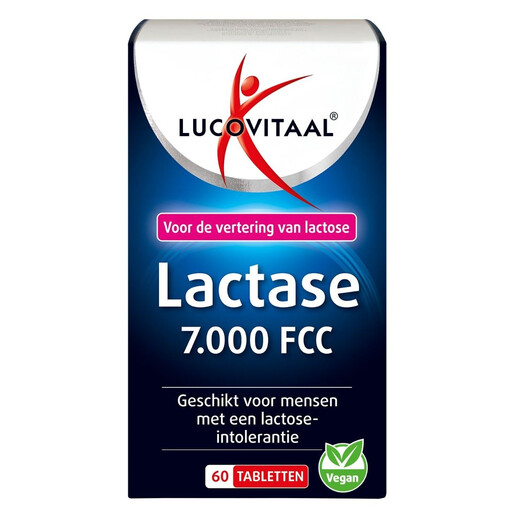
Why this fits the profile: This is a targeted choice for people who struggle to digest lactose and want to take a tablet with a lactose-containing meal.
You’re not choosing a general probiotic supplement for a specific need. The product information clearly lists lactase as the only active ingredient.
7,000 FCC lactase per tablet, 60 tablets per pack and a usage recommendation of one to three tablets per day.
We’ve put together a full, up-to-date list of products that fully meet these strict selection criteria and comply with current European safety regulations.
That depends on the product and the purpose of use. Follow the recommended daily dosage and the storage instructions on the label. A product with a limited supply, such as ten sachets, can be suitable for first assessing whether the format works for you. If symptoms persist or recur, it’s wise to consult a doctor.
Psyllium is a dietary fibre that is taken with plenty of fluid. Probiotics contain live bacterial cultures. So they have a different composition and method of use. Choose psyllium when you are specifically looking for supplements for regular bowel movements and always check the warning about fluid intake and medication.
That depends on the specific product. The Lucovitaal Probiotics for Kids chewable tablets are intended for children according to the product information, but the stated age information is not entirely consistent. So check the current packaging. Do not give children a supplement intended for adults without appropriate usage advice.
