
If you’re looking for less fat
You choose popcorn mainly by its fat content and want to compare the label for the specific flavour. A lower figure than for another variety doesn’t automatically mean it qualifies as ‘low fat’.


If you want less fat and ready-to-eat popcorn, compare the specific sweet and salted varieties from Albert Heijn and Jumbo. Their product pages list 4 g versus 29 g and 4.6 g versus 23.9 g of fat per 100 g respectively, while the sweet versions contain 45 g and 48.6 g of sugar per 100 g (Albert Heijn; Jumbo). This means those sweet varieties are relatively lower in fat than the salted versions mentioned, but they are not low-fat: according to the European Commission, solid foods must contain no more than 3 g of fat per 100 g to carry a ‘low fat’ claim. Plain popcorn kernels are an option if you want to control the additions yourself, but they need to be cooked; Jumbo lists 4.5 g of fat per 100 g for its uncooked kernels.
You choose popcorn mainly by its fat content and want to compare the label for the specific flavour. A lower figure than for another variety doesn’t automatically mean it qualifies as ‘low fat’.
As well as fat, you consider sugar and energy and want to match the nutritional values to the portion you actually eat. So a sweet variety with less fat isn’t necessarily the right choice for you.
You’re choosing between ready-to-eat popcorn and kernels that still need to be prepared. Pack size, convenience and storage instructions may all be worth considering.
When stocking up on popcorn, one priority may matter more than the others: fat content, portion size and sugar, ease of preparation, or quantity and storage.
| What to consider | What should you check? | Who is this most important to? |
|---|---|---|
| Fat content and the ‘low fat’ claim | Compare the fat per 100 g for the specific variety. For solid foods, the European Commission sets a maximum of 3 g of fat per 100 g for the ‘low fat’ claim. | If I mainly want less fat, I compare the flavours and check the claim on the label. Around 36% of this group put fat content first when choosing. |
| Portion size, sugar and energy | Compare sugar and energy per 100 g, then consider the portion you plan to eat. | If I’m mindful of my portion, I also want to know how much sugar it contains. Around 29% of this group prioritise portion size, energy and sugar. |
| Ready to eat or pop it yourself | Check whether it’s ready-to-eat popcorn or loose kernels; when you prepare it yourself, the additions you use also affect the finished product. | If I want to eat my popcorn straight away, I’ll choose differently than if I want to control the preparation and additions myself. Around 21% of this group put convenience first. |
| Pack size and storage | Check the net weight and follow the storage instructions on the specific pack, including after opening. | If I keep popcorn in stock, I want the quantity to suit how I use it and the pack to be easy to store. Around 14% of this group prioritise planning ahead and storage. |
A product name alone doesn’t tell you how much fat the popcorn contains. For solid foods, the European Commission sets a maximum of 3 g of fat per 100 g for the ‘low fat’ claim.
Read the nutrition table for the specific flavour and assess any claim against the amount listed per 100 g.
AH Sweet Popcorn lists 4 g of fat and 45 g of sugar per 100 g; Jumbo Sweet Popcorn lists 4.6 g of fat and 48.6 g of sugar per 100 g (Albert Heijn; Jumbo). So a lower fat figure than for a salted variety doesn’t automatically tell you how much sugar you’re choosing.
Decide whether fat or sugar matters more to you, then consider the portion you plan to eat.
The older AH Sweet Popcorn page refers to a 175 g pack and says ‘Discontinued’; a separate Albert Heijn product page describes a 200 g variety.
Check the product name and weight on the pack you buy, then read the information on the pack you receive.
The figures mentioned relate to specific varieties and don’t necessarily apply to a brand’s entire range.
A useful reference if you want to compare ready-to-eat sweet and salted popcorn.
The products mentioned include ready-to-eat sweet or salted popcorn, as well as loose kernels.
Snack Day Sea Salt Popcorn is a product reference if you’re looking at a savoury variety.
Sun Snacks Salted Popcorn is a product reference among the listed supermarket own brands.
This selection includes ready-to-eat popcorn varieties alongside kernels you can prepare yourself. If less fat is your main priority, check the figures per 100 g for the specific variety.
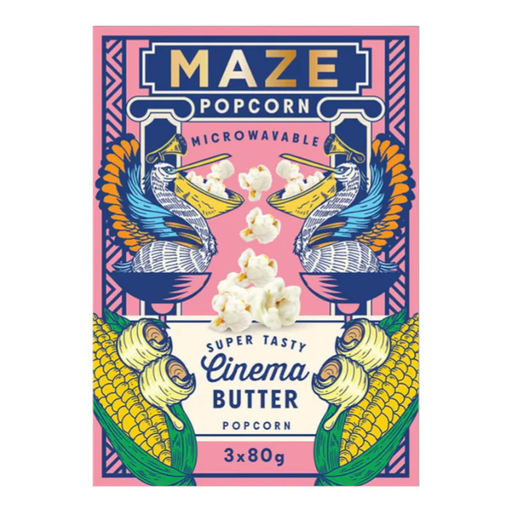 No image available
The product name describes butter-flavoured popcorn; if less fat is your main priority, check the nutrition table for this specific variety.
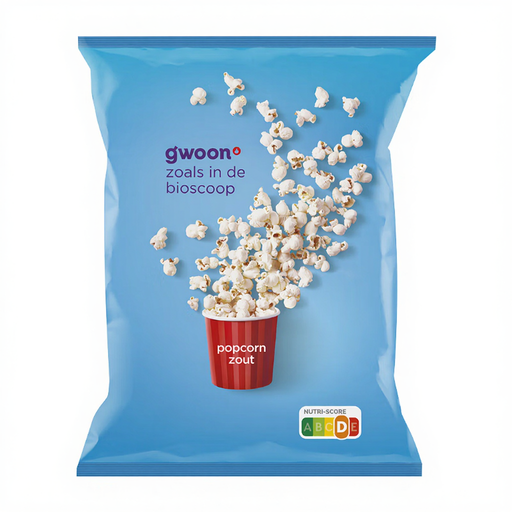 No image available
This variety has a recognisably salted flavour; if less fat is your main priority, compare the fat content on the pack.
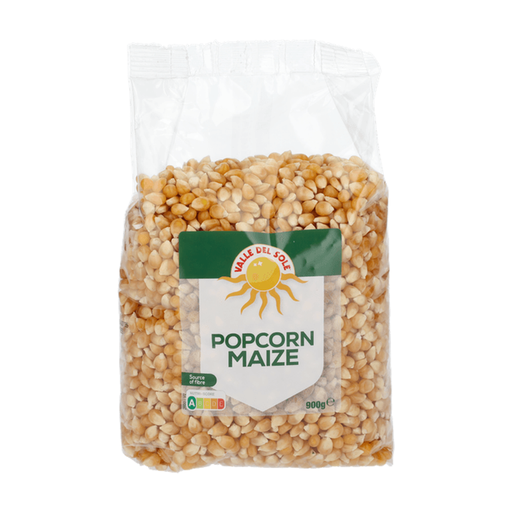 No image available
Loose popcorn kernels for making popcorn yourself; the product description suggests cooking them in a pan with vegetable oil.
Joybuy lists 5 g of fat per 100 g for the uncooked corn. Additions during preparation will change the finished product.
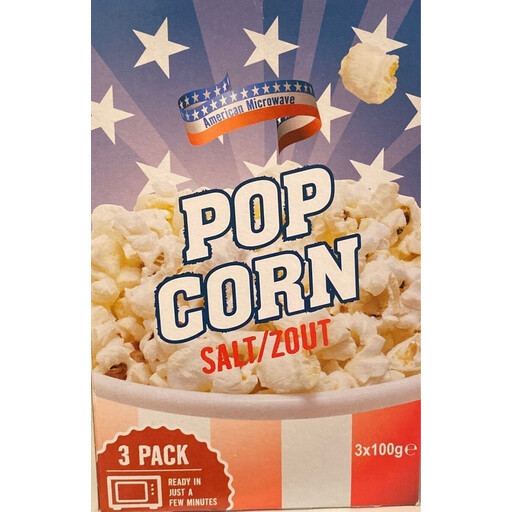 No image available
The product description mentions microwave preparation and three 100 g bags.
Joybuy lists 23 g of fat and 1 g of sugar per 100 g; bear this fat content in mind if less fat is your main selection criterion.
 No image available
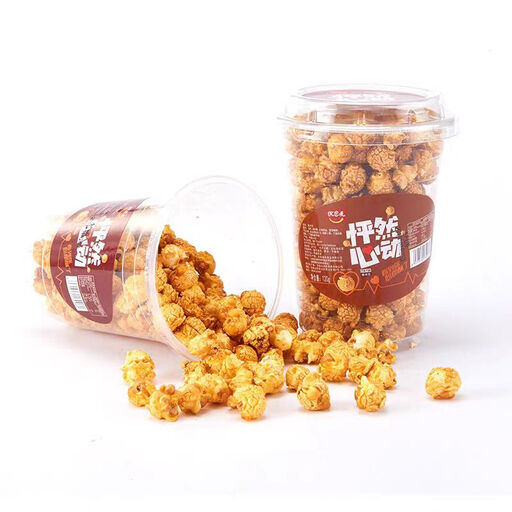
A ready-to-eat caramel variety for anyone looking for sweet popcorn. Joybuy lists 25 g of fat and 35 g of sugar per 100 g.
Compare these figures with your own preferences if fat and sugar are important factors in your choice.
For solid foods, the European Commission sets a maximum of 3 g of fat per 100 g for the ‘low fat’ claim. The NVWA states that nutrition claims must comply with European rules.
First compare the nutritional values per 100 g, then consider the portion you plan to eat. Albert Heijn lists a 25 g portion for AH Sweet Popcorn, while Jumbo lists 30 g for Sweet Popcorn, so these portion figures aren’t based on the same amount.
Follow the instructions on the specific pack. Albert Heijn recommends storing AH Sweet Popcorn in a cool, dark and dry place and closing the pack securely after use; Jumbo recommends storing its loose popcorn kernels in a dry, dark place.
With loose popcorn kernels, you can decide which additions to use and how much to measure out. The Netherlands Nutrition Centre describes cooking them in a pan with oil and seasoning; the nutritional value of uncooked kernels isn’t the same as that of prepared popcorn.
No, don’t assume that from the flavour name. The product information for the sweet and salted Jumbo popcorn varieties reviewed says they may contain milk. Check the pack for the specific variety; the NVWA explains how allergens are listed on food labels.