What should you look for when choosing?
First, compare similar types of toast per 100 g for sugar and salt. Then check the ingredients and any allergens; the shape and flavour will help you decide which toast goes best with your toppings.
| What to consider |
What to check |
Who it matters to |
| Sugars |
Compare similar types of toast per 100 g for sugar, and check the ingredients list for sources of added sugar. |
If I want to serve less sugar, I don’t want to choose based on different portion sizes. For around 36% of consumers, less sugar would be the main reason for their choice. |
| Salt |
Compare salt per 100 g and take the toppings into account. |
With salty toppings, I want to know how much salt the toast itself adds. Salt would be the first consideration for around 29% of consumers. |
| Gluten and allergens |
Check the product label and allergen information; if someone needs to eat gluten-free, avoid contact with regular toast. |
When I’m serving someone with a dietary or allergen requirement, the specific variety must be suitable, even if another type of toast contains less sugar. Around 21% of consumers would put suitability first. |
| Toppings and presentation |
Choose a shape and flavour to suit the toppings, and store opened toast in a dry, sealed container. |
For a platter of topped bites, I want toast that’s easy to serve and goes well with the topping. For around 14% of consumers, this would be the most important factor in their choice. |
Toast products on Joybuy
This melba toast and rice toast could be good bases for a brunch with toppings. Compare the nutritional information and always check the packaging of your chosen variety if you have dietary or allergen requirements.
 No image available
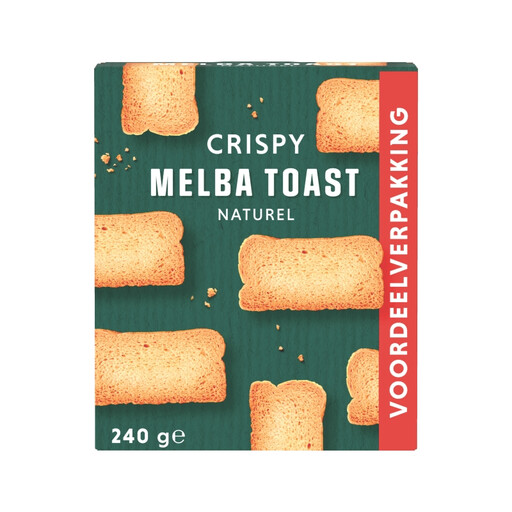
Crispy Melba Toast 240 g
For a brunch with toppings, compare the sugar and salt content per 100 g before choosing this toast. If a guest has an allergy, check the allergen information on the packaging, as the available product descriptions differ on this point.
View on Joybuy
 No image available
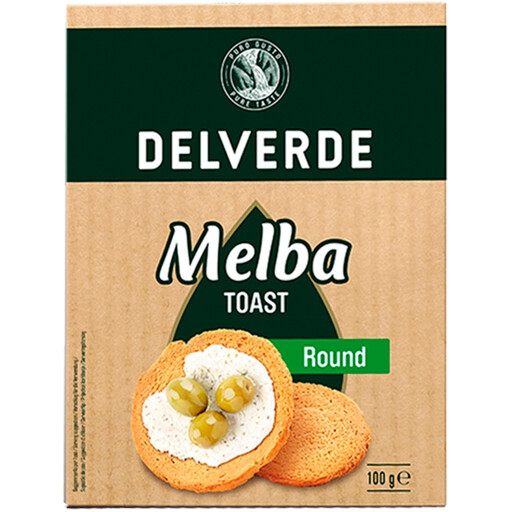
Conimex Delverde Melba Toast Round 100 g
This round melba toast is an option for topped brunch bites. If you’re prioritising less sugar, compare the nutritional information per 100 g and check the ingredients list; check the allergen information too if you have dietary requirements.
View on Joybuy
 No image available
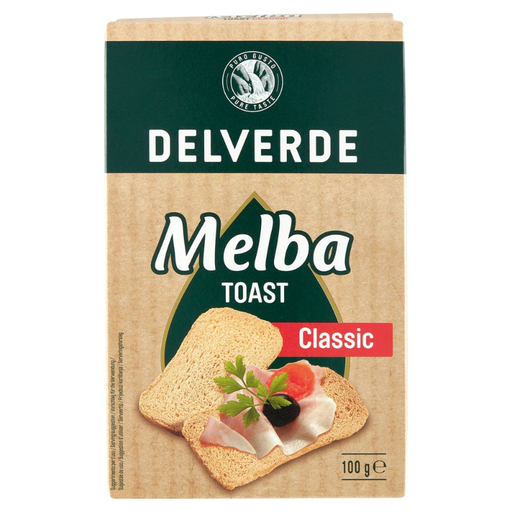
Delverde Classic Melba Toast 100 g
If you’re looking for a melba toast base for toppings, compare the sugar and salt content together in the nutritional information per 100 g. Read the ingredients and allergen information if these affect your choice for a guest.
View on Joybuy
 No image available
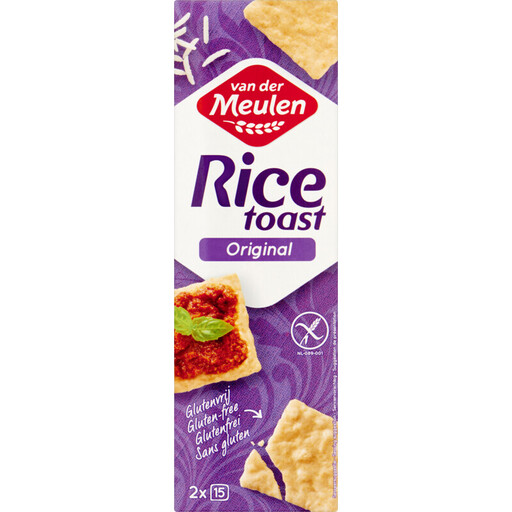
Van Der Meulen Rice Toast Natural 65 g
Rice toast could be a good option if you’re looking for a different type of toast for your brunch; compare the sugar and salt content per 100 g here too. If someone needs to eat gluten-free, check the label on this pack, and if they have a sesame or soya allergy, check the allergen information separately.
View on Joybuy
Frequently asked questions
Does ‘less sugar’ on a pack of toast mean it’s the right choice for my brunch?
No. Compare the nutritional information for similar types of toast per 100 g and read the ingredients list too. The Netherlands Nutrition Centre advises comparing labels for the same quantity; also check salt and any allergens separately.
Why should I check salt when choosing lower-sugar toast?
Because toast with the same sugar content can still contain different amounts of salt. Albert Heijn lists 3.2 g of sugars per 100 g for both AH Melba toast naturel and Van der Meulen Melba toast naturel, but their salt contents are 1.93 g and 1.3 g per 100 g respectively. Remember to take the toppings into account too.
Can I serve regular melba toast to someone who needs to eat gluten-free?
Don’t assume it’s suitable: check that the variety you’ve chosen is explicitly labelled gluten-free. The plain melba toast varieties described contain wheat and barley; avoid contact with regular toast when preparing and serving them too. If someone has a wheat allergy, you must also check the ingredients specifically for wheat.
Does Dutch toast always contain iodised baker’s salt?
No, don’t assume this is true of every product. The Dutch government describes an agreement that encourages the use of iodised baker’s salt in bread and bread substitutes. If the type of salt used matters to your choice, check the ingredients list for the specific toast.
How can I prepare topped toast without it losing its crispness?
Store the toast in a dry, sealed container and add moist toppings as late as possible. Albert Heijn recommends storing opened AH Melba toast naturel in a sealed tin; check the storage instructions on the packaging of other varieties.


