
Parents keeping an eye on total sugars
You want to compare types of toast using the ‘of which sugars’ figure per 100 g, rather than relying only on the ingredients list or the look of the packaging.


For a fussy eater, start by comparing the total sugars per 100 g in similar types of toast, preferably plain varieties. A neutral flavour can be a practical choice if strong flavours are rejected, but also consider salt, fibre, allergens and whether the firm texture is suitable.
You want to compare types of toast using the ‘of which sugars’ figure per 100 g, rather than relying only on the ingredients list or the look of the packaging.
You’re looking for a flavour and texture the person will accept. A plain variety is a different starting point from toast with herbs or a strong flavour, but what someone accepts varies from person to person.
As well as sugars, you want to check the salt, fibre and allergens for the exact variety. If there are chewing or swallowing difficulties, the firm texture needs particular attention.
Start with the sugar content of similar types of toast. Then decide whether flavour, other nutritional values, or an allergy or texture concern matters most for the person eating it.
| What to consider | What to check when buying | Who it matters to |
|---|---|---|
| Total sugars | Compare ‘of which sugars’ per 100 g across similar types of toast. Check added sugars separately if they’re listed. | If I’m mainly looking for less sugar, I want to know how much total sugar a comparable toast contains. Around 36% of consumers give this comparison top priority. |
| Neutral flavour | Check whether the variety is plain and which herbs or seeds are listed in the ingredients. | A strong-flavoured toast won’t help if the person leaves it uneaten. For around 29% of consumers, whether the flavour is accepted matters most. |
| Salt and fibre | Compare the salt and fibre per 100 g with the sugar content; consider a portion as part of the rest of the meal. | When several types of toast suit the person’s taste, I don’t want to choose based on sugar alone. Around 21% of consumers prioritise the balance of salt and fibre. |
| Allergens and texture | Read the allergen information on the current packaging. If there are chewing or swallowing difficulties, bear the firm texture in mind. | If there’s a relevant allergy or difficulty swallowing, I first need to know whether this toast is suitable. This check comes top of the list for around 14% of consumers. |
The ingredients list doesn’t tell you how much total sugar a toast contains per 100 g. And 0 g of added sugars isn’t the same as 0 g of total sugars.
Use the ‘of which sugars’ figure in the nutrition information to make your comparison.
Types of toast can differ in salt and fibre even when their sugar content is similar. For example, Albert Heijn lists both AH Melba toast naturel and Van der Meulen Melba toast volkoren at 3,2 g sugars per 100 g, but their fibre contents are 3,9 g and 9,7 g per 100 g respectively.
Compare the values that matter for the meal on the same basis, preferably per 100 g.
A neutral flavour tells you nothing about allergens. Ingredients and warnings vary between specific varieties.
If you have a food allergy, check the current packaging every time, even if you’ve bought the product before.
Being a fussy eater and having swallowing difficulties are not the same thing. If someone often chokes or has difficulty swallowing, whether crunchy toast is suitable needs to be assessed individually.
If you know someone has swallowing difficulties, don’t try firm toast as a solution without advice; speak to a doctor or healthcare professional.
The figures below apply to the varieties named, not to a brand’s entire range. Check the packaging of the product you’ve chosen before buying.
Hollandia 100% Natural Toast is a simple variety of toast; Albert Heijn lists wheat flour and water as ingredients.
AH Melba toast naturel is a plain variety for anyone looking for toast with a milder flavour.
Van der Meulen Melba toast volkoren is another option if a wholemeal variety with seeds suits the person’s taste.
Jumbo Crunchy Toast with black olives and sun-dried tomato shows how a seasoned variety differs from plain toast.
This melba toast suits those looking for a neutral flavour. If you’re choosing based on sugar content, compare the nutrition information per 100 g on the packaging with that of other melba toasts.
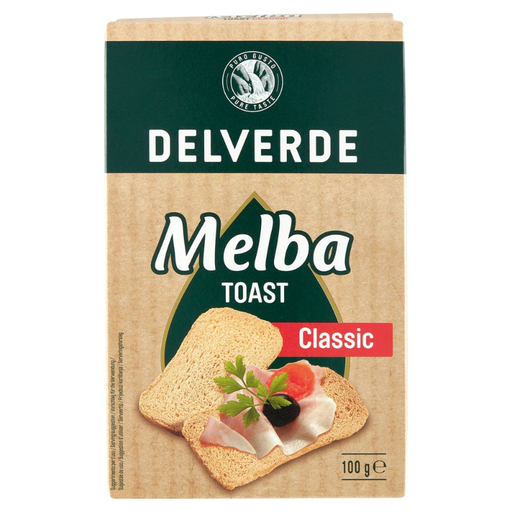 Image unavailable
The neutral flavour described may suit a fussy eater who prefers simple flavours.
This melba toast is firm and crunchy. If you have allergies, check the current packaging. If you know you have swallowing difficulties, seek individual advice before choosing firm toast.
Not unless you compare it with something else. Check ‘of which sugars’ per 100 g across similar types of toast; a claim that sugar has been reduced answers a different question from how much sugar the product contains.
No. Albert Heijn lists 0 g added sugars and 3,2 g total sugars per 100 g for AH Melba toast naturel. To compare the total amount, check the ‘of which sugars’ figure.
Yes. As well as sugars, check the salt per 100 g and how much is eaten. The toast varieties mentioned have different salt contents, so a single sugar figure doesn’t tell you the whole nutritional story.
You can’t assume that. According to the Voedingscentrum, bakers aren’t required to use iodised baker’s salt. If iodine matters to your choice, check the ingredients or ask the manufacturer about the specific variety of toast.
Don’t choose firm toast if you have known swallowing difficulties without getting individual advice. Difficulty swallowing or regularly choking needs to be assessed by a doctor or healthcare professional, whether or not the person is also a fussy eater.