If you’re choosing lower-sugar toast for a fakeaway night, first compare similar types of toast by their sugar content per 100 g, then read the ingredients list. Albert Heijn lists 3.2 g of sugars per 100 g for AH Melba Toast Naturel, and Jumbo gives the same figure for Van der Meulen Melba Toast Naturel, compared with 7.2 g for Haust Krokant Toast on Jumbo’s product page. Also consider salt, the flavour you want as a base and allergens: the lowest sugar figure won’t automatically answer those other questions.
Who is this choice for?
For anyone comparing sugar first
You’re looking for toast to serve with dips, mezze or toppings, and want to compare the sugar figures. A seasoned variety is only worth considering if its flavour matters more to you than the difference in nutritional content.
For anyone who also considers salt
You compare similar types of toast per 100 g because the same sugar content doesn’t mean the salt content is the same. Albert Heijn and Jumbo list 3.2 g of sugars per 100 g for two plain Melba toasts, but their salt contents are 1.93 and 1.3 g per 100 g respectively.
For anyone serving toast to guests
You want the toast to work with a range of toppings, so you check the ingredients and allergens for your chosen product in advance. This is especially important if gluten, soya, egg or sesame could be an issue for a guest.
What should you look for in toast?
First decide whether you want a plain base for toppings or seasoned toast. Then compare the nutritional information per 100 g within that type and check the allergens on the packaging.
| What to consider |
What to check |
Who it matters most to |
| Sugars and claims |
Compare ‘of which sugars’ per 100 g for similar types of toast. If there’s a claim on the pack, check the ingredients list too. |
If I’m looking for lower-sugar toast, I want to compare the figures without relying on the wording on the front of the pack. Around 42% of consumers prioritise this sugar comparison. |
| Salt and fibre |
Alongside the sugar figure, compare the salt and fibre per 100 g in the varieties you’re considering. |
I don’t want to rely on just one figure when two toasts list the same amount of sugars but differ in salt. Around 33% of consumers prioritise this broader comparison. |
| Toppings and allergens |
Decide whether a plain or seasoned base will suit your toppings, and read the full allergen information. |
When serving a range of toppings, I want to know whether the toast suits both the food and my guests. This combination is the main concern for around 25% of consumers. |
Common mistakes
-
Assuming ‘less sugar’ means a low sugar content
A comparative claim on its own doesn’t tell you how many sugars the toast contains per 100 g. The Voedingscentrum also notes that ‘light’ can refer to energy, fat or sugar.
Check which property the claim refers to, then compare the sugar content per 100 g of similar types of toast.
-
Overlooking salt when the sugar figures are the same
Albert Heijn lists 3.2 g of sugars and 1.93 g of salt per 100 g for AH Melba Toast Naturel. Jumbo also lists 3.2 g of sugars per 100 g for Van der Meulen Melba Toast Naturel, but its salt content is 1.3 g per 100 g.
Compare the sugars, salt and fibre in the products you’re considering.
-
Serving seasoned toast without checking the ingredients
The ingredients list for Haust Krokant Toast on Jumbo’s product page includes glucose-fructose syrup, sugar, egg and cereals containing gluten. A different flavour base can also mean a different allergen list.
Choose toast to suit your toppings and check the latest ingredients and allergen information before serving it to your guests.
Brands to consider
Albert Heijn
AH Melba Toast Naturel is a plain toast base for anyone who wants the toppings to provide most of the flavour.
- Albert Heijn lists 3.2 g of sugars, 0 g of added sugars and 3.9 g of fibre per 100 g for this product.
- The same product page lists 1.93 g of salt per 100 g, and gluten, soya and barley. Check the current packaging before serving the toast.
Van der Meulen
Melba Toast Naturel provides a thin, neutral base for toppings.
- For this variety, Jumbo lists 3.2 g of sugars, 3.9 g of fibre and 1.3 g of salt per 100 g.
- The product information lists cereals containing gluten, soya, barley and wheat; the product may contain sesame. Check the packaging if allergens are a concern.
Haust
Krokant Toast is a seasoned option for anyone looking for a more distinctive flavour to complement their toppings.
- Jumbo’s product description says this toast is baked twice in the oven and is designed to stay crisp for longer when topped.
- Jumbo lists 7.2 g of sugars and 1.6 g of salt per 100 g, and includes glucose-fructose syrup and sugar in the ingredients list.
Bolletje
Bolletje Proteïn & Low carb Crackers are crackers, not a directly comparable type of toast for this choice.
- Crackers may be a different base for toppings if you’re not set on serving toast.
- ‘Lower in carbohydrates’ doesn’t tell you how many sugars a product contains per 100 g. Compare the nutritional information if sugar is your main criterion.
ALDI
ALDI includes products such as Sun Snacks Toast Cups Naturel in its toast range.
- The plain variety is worth considering if you’re looking for toast cups to serve with toppings.
- Use the nutritional information and ingredients on the current packaging to compare this variety with other types of toast for sugars, salt and allergens.
Rice toast for your fakeaway spread
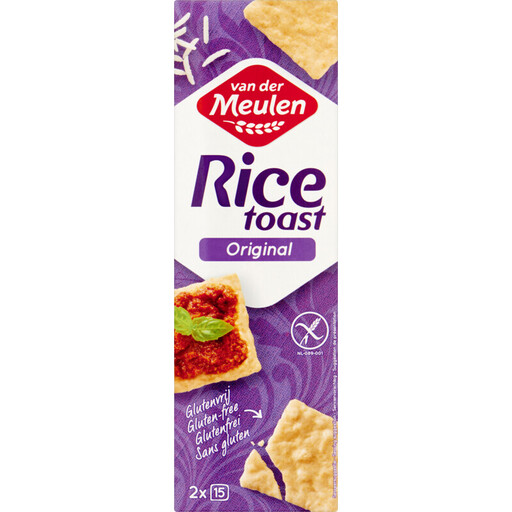
This rice toast could suit a fakeaway spread if you’re looking for a base for toppings. Compare its nutritional information with other types of toast if lower sugar is your main priority.
 No image available
Van Der Meulen Rice Toast Natural 65 g
Rice toast to consider as a base for toppings at a fakeaway spread.
Pack size: 65 g. Compare the sugars and salt per 100 g on the current packaging, and check the allergen information, especially if soya or sesame could be an issue for your guests.
View at Joybuy
Frequently asked questions
How should I assess toast labelled ‘low sugar’?
Check the ‘of which sugars’ figure per 100 g in the nutrition table and compare it with similar types of toast. The Voedingscentrum says the nutrition table is the starting point for this kind of comparison; also check the salt and ingredients if they matter to your choice.
Does ‘no added sugars’ mean toast contains no sugars?
No. Toast with this claim may still contain sugars. The Voedingscentrum says the claim relates to what has been added; check the nutritional information per 100 g to find out how much sugar the product contains.
Does ‘light’ always mean less sugar in toast?
No. The Voedingscentrum explains that ‘light’ can refer to energy, fat or sugar. Check the packaging to see which property is being compared, and look at the sugar figure per 100 g if that’s what you want to focus on.
How should I store toast after opening it for a fakeaway night?
Follow the storage instructions for the product you’ve chosen. Albert Heijn says to store AH Melba Toast Naturel in a sealed tin after opening; for Haust Krokant Toast, Jumbo advises protecting the product from moisture and heat.


