
Office teams keeping an eye on sugar
You’re looking for something to enjoy with a tea or coffee and want to compare the sugar content. When choosing sweet alternatives, also check which ingredients have been used, such as maltitol.


If you’re aiming to cut down on sugar, don’t automatically opt for regular spritz biscuits: Albert Heijn lists 28 g of sugars per 100 g for AH Spritsen, while Verkade lists 24.2 g per 100 g for NoboSprits Original. When comparing alternatives, check the sugars per 100 g and per portion, the ingredients and the allergens. A biscuit with no added sugars isn’t necessarily sugar-free. If you’re mainly looking for everyday office snacks, fruit, vegetable sticks, unsalted nuts and wholemeal bread are alternatives recommended by the Voedingscentrum.
You’re looking for something to enjoy with a tea or coffee and want to compare the sugar content. When choosing sweet alternatives, also check which ingredients have been used, such as maltitol.
You’re choosing for several colleagues. That makes the allergen information for the option you select, and any cross-contamination warnings, just as important as its nutritional value.
You don’t just want to put out a different biscuit. Fruit, vegetable sticks, unsalted nuts and wholemeal bread are also options to consider for your regular supplies, as the Voedingscentrum points out.
First decide whether the office wants to replace a biscuit with tea or coffee, or is looking for an everyday snack. You’ll then need to check the sugar content, suitability for colleagues and the nutritional value of the snack as a whole.
When: for a familiar biscuit break if cutting down on sugar isn’t your main purchasing goal.
The trade-off: the regular spritz biscuits mentioned contain 28 g and 24.2 g of sugars per 100 g respectively, according to Albert Heijn and Verkade.
When: if you want to keep the biscuit break but prioritise sugar content.
The trade-off: ‘sugar-free’ and ‘no added sugars’ don’t mean the same thing. Check for polyols and allergens too.
When: if keeping the office stocked with regular snacks matters more than finding a spritz-style replacement.
The trade-off: fruit, vegetable sticks, unsalted nuts or wholemeal bread make for a different kind of snack. If you’re stocking a shared stash, remember to check allergens and storage requirements too.
| What to consider | What to check when buying | Who it matters to |
|---|---|---|
| Sugar content | Compare ‘of which sugars’ per 100 g and per portion. Don’t assume ‘sugar-free’ means the same as ‘no added sugars’. | If I’m buying something sweet to have with coffee, I want to know how much sugar a portion contains. For around 42% of consumers, low sugar is the top priority when making this choice. |
| Shared supplies | Read the allergen information for the flavour you choose and check the current packaging for any ‘may contain’ warnings. | When several colleagues are choosing from the same stash, I want to be able to take their allergies into account. For around 33% of consumers, suitability is the top priority. |
| Everyday snack | As well as sugars, compare ingredients, fibre, saturated fat, salt and portion size. Consider other types of snacks too. | When stocking up for everyday snacks, I want to look beyond the sugar line on a biscuit packet. Around 25% of consumers put their choice of everyday snack first. |
Verkade says San Francisco Zero contains no added sugars, but it still has 1.7 g of sugars per 100 g. So the wording on the front doesn’t tell you how much sugar the product contains.
Check the ‘of which sugars’ line in the nutrition table, both per 100 g and per portion.
The spritz biscuits and biscuit alternatives mentioned contain various allergens, including wheat, milk, egg, soya and nuts. Ingredients can vary between varieties.
Check the allergen information and any cross-contamination warnings on the exact product you’re buying for the office.
Some lower-sugar biscuit alternatives contain maltitol. According to the Voedingscentrum, consuming large amounts of polyols can cause digestive problems.
Read the ingredients and any warnings on the packaging. If you’re stocking a shared stash, offer an alternative without polyols too.
The amount of sugar doesn’t tell you how much fibre, saturated fat or salt a product contains. The Voedingscentrum notes that snacks can differ in all these areas.
Compare the full nutritional information and portion size when putting together regular office supplies.
Verkade offers a regular spritz biscuit, NoboSprits Original, and a separate biscuit with no added sugars, San Francisco Zero. They aren’t two versions of the same biscuit with identical ingredients.
Céréal biscuits are worth comparing if a lower-sugar biscuit alternative is your priority; their features vary by flavour.
At Albert Heijn, you can compare regular spritz biscuits with products in the range the retailer describes as ‘sugar-conscious’. That label doesn’t mean the individual products are all alike.
These Joybuy products show different ways to switch up the office biscuit break: crispbread or crackers, a muesli bar and an oat biscuit. They aren’t all spritz biscuits or sugar-free biscuits. For each product, check that the current nutritional information and allergen details suit your office supplies.
 No image available
A crunchy alternative for offices that don’t necessarily want a biscuit with their coffee. These are crackers, not spritz biscuits, so compare the current nutritional information and allergens before adding them to a shared stash.
 No image available
For anyone considering a rye cracker instead of a sweet biscuit. These aren’t spritz biscuits either, so check the current packaging for nutritional information and allergens before sharing them with colleagues.
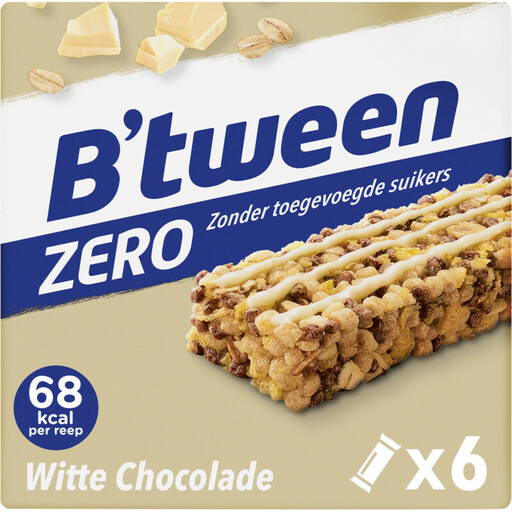 No image available
A muesli bar for a different kind of snack break from spritz biscuits or other biscuits. Before comparing sugar content, read the nutritional information per 100 g and per bar. Check the ingredients for polyols and read the allergen information too.
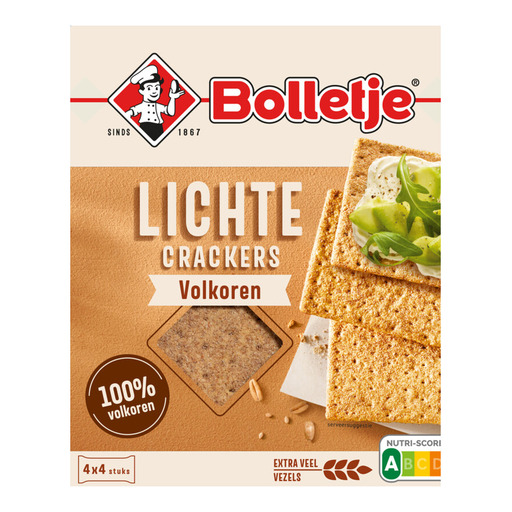 No image available
A cracker option instead of a traditional biscuit. If you’re comparing crackers with spritz biscuits or other snacks, check the current nutritional information. For a shared stash, read the allergen information too.
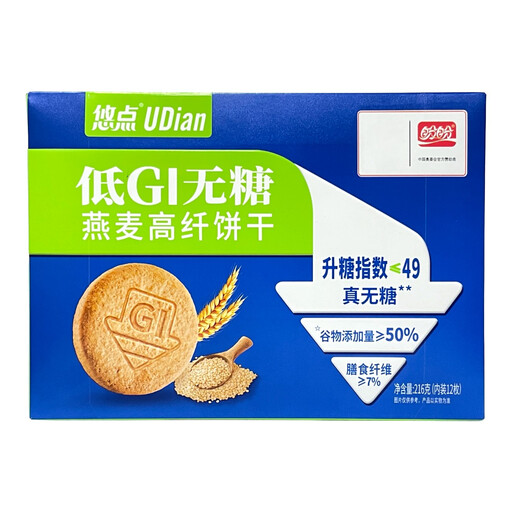 No image available
An oat biscuit for anyone looking for something closer to a spritz biscuit for their snack break. Don’t take ‘Sugar-Free’ in the product name as confirmation that the biscuit contains no sugars: the nutritional information available also lists sugars. Check the current table and allergen information before buying.
The regular spritz biscuits compared here aren’t sugar-free. Albert Heijn lists 28 g of sugars per 100 g for AH Spritsen, while Verkade lists 24.2 g per 100 g for NoboSprits Original. For any other variety, check its own nutrition table.
‘No added sugars’ doesn’t mean a product contains no sugars. Verkade lists 1.7 g of sugars per 100 g for San Francisco Zero, which the brand offers with no added sugars. The ‘of which sugars’ line shows the figures in the nutrition table for the variety you’ve chosen.
As well as the sugar content, check the ingredients, portion information and allergen details. Maltitol is a polyol; according to the Voedingscentrum, consuming large amounts of polyols can cause digestive problems. Offering an alternative without polyols gives colleagues another option.
Fruit, vegetable sticks, unsalted nuts and wholemeal bread are snack options recommended by the Voedingscentrum. For a shared stash, choose items that are practical to store. For packaged products and nuts, check the information that’s relevant to colleagues with allergies.