
Tea drinker looking to avoid added sugar
You’re after something crunchy to enjoy with your tea and want to know whether sugar or syrup has been added. Compare both the ingredients and the total sugars per 100 g.


Looking for a lower-sugar rice cake to have with your tea? Start with plain varieties: compare the ‘of which sugars’ figure per 100 g and check the ingredients for added sugar. For multigrain varieties, check the fibre and salt too. A chocolate coating can make a big difference to the sugar content; Jumbo’s product information shows a clear difference between its plain and milk chocolate varieties.
You’re after something crunchy to enjoy with your tea and want to know whether sugar or syrup has been added. Compare both the ingredients and the total sugars per 100 g.
You’re considering multigrain varieties as well as plain ones. Compare the fibre, sugars and salt in each, using the same 100 g basis, as the Netherlands Nutrition Centre recommends for comparing food labels.
You’re looking for a snack for the family, but don’t want to serve rice products every day. As a precaution, the Netherlands Nutrition Centre recommends alternating them with other grain products for children.
Start by comparing sugars and ingredients. Then consider how fibre and salt affect your choice and, if children will be eating them too, how often rice products are served.
| What to look for | What to check when buying | Who it matters to |
|---|---|---|
| Sugars | Compare ‘of which sugars’ per 100 g and check the ingredients for added sugar or syrup. | When I’m having tea, I mainly want to avoid a sweetened rice cake. For around 50% of consumers, checking for added sugar would be the first priority. |
| Fibre and texture | Compare the fibre per 100 g in plain and multigrain varieties; check sugars and salt too. | Plain rice cakes appeal to me less, so I want to know what a multigrain variety offers without losing sight of my sugar goal. Around 30% of consumers would prioritise fibre and texture. |
| Variety for children | Check how often children eat rice products and review the allergens on the packaging. | If rice cakes are often served as a snack for children, I want to alternate them with other products. For around 20% of consumers, that variety would be the most important factor. |
According to Jumbo’s product information, its plain rice cakes contain 0.6 g of sugars per 100 g, while the milk chocolate-coated variety contains 31.7 g per 100 g. The coating therefore changes the comparison.
Compare the sugar content per 100 g before choosing a coated variety as an alternative to plain.
This claim doesn’t tell you how much total sugar a product contains. The nutrition information also includes sugars that are naturally present.
Also check ‘of which sugars’ per 100 g and read the ingredients list.
A rice cake or stated portion can vary in size from one product to another. The Netherlands Nutrition Centre says that 100 g is a useful like-for-like basis for comparing food labels.
Compare products per 100 g first, then consider how many you eat with your tea.
As a precaution, the Netherlands Nutrition Centre recommends not giving children rice or rice products every day, because rice products can contain arsenic.
Alternate rice cakes with other grain products and snacks.
The range includes simple rice cakes as well as varieties with a chocolate coating.
Jumbo offers both plain rice cakes and coated varieties.
PLUS offers a plain variety and thick multigrain rice cakes, which you can compare per 100 g.
ALDI offers Goud Gebakken rice cakes with sea salt, as well as coated varieties.
Lidl lists rice cakes in flavours including sea salt, yoghurt and chocolate.
This pick is a rice cracker for anyone considering another crunchy snack to enjoy with tea. It isn’t a rice cake, so check the nutrition information before choosing it as an alternative.
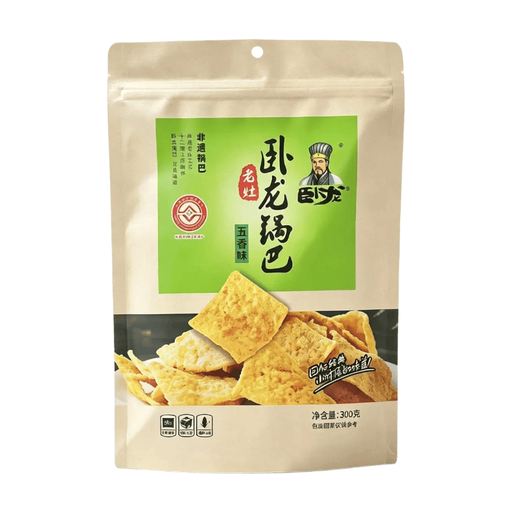 Image unavailable
An option for a crunchy snack with your tea if you’re also considering rice crackers; these aren’t rice cakes.
If you want to avoid added sugars, check the seasoning mix ingredients and sugars per 100 g on the pack.
According to the product description, this product may contain traces of wheat (gluten), soya and sesame. Check the current allergen information.
No. The ‘of which sugars’ nutrition figure includes sugars that are naturally present in the product too. So check both this figure per 100 g and the ingredients list.
When comparing products, per 100 g is a clearer basis, as rice cakes and stated portions can vary in size. Then consider how many you have with your tea.
Not necessarily. According to Albert Heijn, its milk chocolate variety contains 32 g of sugars per 100 g; Jumbo’s milk chocolate variety contains 31.7 g per 100 g. If lower sugar is your priority, compare the packaging with that of a plain variety.
As a precaution, the Netherlands Nutrition Centre recommends not giving children rice or rice products, including rice cakes, every day because rice products can contain arsenic. Alternate them with other grain products and snacks.