
Walkers who prioritise eating less sugar
You want to take a sweet snack with you, but compare the sugar content on the label before choosing a kano pastry. How much you actually eat on the way matters too.


Want to eat less sugar while out walking? Don’t choose a kano pastry based on its name or packaging alone: compare the sugar content per 100 g and per portion. Regular kano pastries from Jumbo, Aviateur and PLUS list 36.8 g, 37.6 g and 38.9 g of sugars per 100 g respectively. That means they’re not a well-supported choice if you’re specifically looking for a lower-sugar kano pastry. A biscuit or bar from another category may be worth comparing, but check its portion size, ingredients and allergens too.
You want to take a sweet snack with you, but compare the sugar content on the label before choosing a kano pastry. How much you actually eat on the way matters too.
For Jumbo, Aviateur and PLUS kano pastries, allergens such as cereals containing gluten, milk, egg, soya or nuts may be relevant. The allergens present, or listed as possible traces, vary by product, so read the label on the pack you buy.
You’re looking for a biscuit to enjoy on the way and lower sugar isn’t your main priority. In that case, portion size, packaging and storage instructions are practical things to check.
First decide whether you specifically want a kano pastry, or whether lower sugar matters more to you than the type of biscuit. Then compare the labels of the products you’re actually considering. A sugar-conscious biscuit or bar isn’t the same product as a kano pastry.
| What to consider | What to check before buying | Who is this most important for? |
|---|---|---|
| Less sugar | Compare sugars per 100 g and per portion with a suitable alternative. If a product claims to contain less sugar, check what it’s being compared with. | I don’t just want a different sweet biscuit; I want to be able to see whether my choice contains less sugar. Around 50% of consumers demonstrably prioritise reducing sugar. |
| Ingredients and allergens | Read the ingredients, highlighted allergens and any ‘may contain’ statement on the current packaging. | If an ingredient or allergen isn’t suitable for me, I need to be able to check before setting off. This is the main concern for around 20% of consumers. |
| Portion for your walk | Check the amount per piece or portion, the packaging and the storage advice. | I want to take a treat with a clear portion size and know how much I’m eating. Convenience and portion size come first for around 30% of consumers. |
Regular kano pastries from Jumbo, Aviateur and PLUS list 36.8 g, 37.6 g and 38.9 g of sugars per 100 g respectively. Simply choosing a kano pastry therefore doesn’t support a goal of eating less sugar.
Compare the sugars per 100 g with the product you’d otherwise take with you. If the type of biscuit matters less to you, you can compare another biscuit or bar too.
A different sugar content doesn’t remove the need to check the ingredients and allergens in that particular product. The allergens present, and possible traces, vary between the kano pastries compared here.
Read both the highlighted allergens and any ‘may contain’ statement on the pack you buy.
Sugars per 100 g make products easier to compare, but don’t tell you how much sugar you’ll eat in one biscuit. Jumbo lists 20.2 g of sugars per 55 g portion of its kano pastry.
Check how much you’re taking with you, and use the portion figure if it’s shown on the label.
Ingredients and nutritional information can change. This means a product page you looked at earlier may not match the pack you eventually buy.
When buying, and again before eating, check the sugars and allergens on that packaging.
Jumbo Butter Kano pastries are a supermarket own-brand biscuit with almond paste filling, sold in a 275 g pack.
PLUS Butter Kano pastries are a 275 g own-brand option with almond paste filling and an almond decoration.
Aviateur sells 230 g packs of kano pastries through PLUS, described as biscuits with a 46% almond paste filling.
Lidl describes Sondey Kano pastries as butter biscuits with almond paste filling, sold in a 325 g pack.
These Joybuy products aren’t kano pastries. They’re other types of biscuits to compare if lower sugar matters more to you than the shape and taste of a kano pastry. Always check any claim in a product name against the label.
 No image available
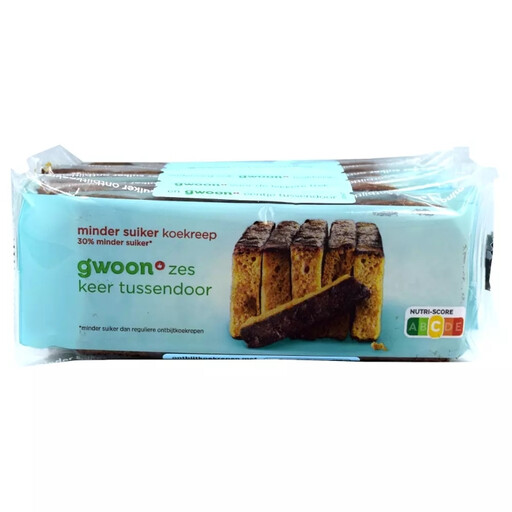
A biscuit bar worth comparing if you don’t necessarily want a kano pastry for your walk. The pack contains 6 pieces; before choosing, check the sugars per bar and what the ‘Less Sugar’ description is being compared with.
Check the current packaging to see whether the bars are individually wrapped, and read the ingredients and allergen information.
 No image available
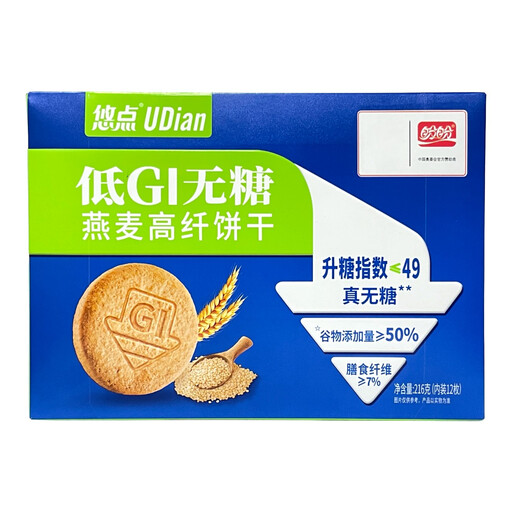
These 216 g biscuits are another type to compare if you don’t necessarily need a kano pastry. Read the nutrition table: ‘Sugar-Free’ in the product name doesn’t mean you can assume there are zero grams of sugars without checking the label.
Before choosing them for your walk, also check the sugars per biscuit, the sweetener listed, the allergens and the packaging.
No. Jumbo, Aviateur through PLUS and PLUS’s own brand list 36.8 g, 37.6 g and 38.9 g of sugars per 100 g respectively for their regular kano pastries. Compare the current label on the kano pastry with the product you’d otherwise take with you.
Read the sugars per 100 g and per portion, and check what the comparison is based on. According to the Netherlands Food and Consumer Product Safety Authority, nutrition claims must comply with European rules; the claim doesn’t replace the nutrition table.
Yes. Depending on the product, the kano pastries compared here contain, or may contain traces of, allergens such as cereals containing gluten, milk, egg, soya or nuts. Read the allergen information on the pack you actually buy.
No, that description alone doesn’t determine whether it’s the right choice. Compare the sugars per 100 g and per portion, and also check the ingredients, allergens and practical packaging of the exact product.
Follow the storage advice on the pack you choose. The product information for the kano pastries compared here recommends storing them in a cool, dry place, so protect the biscuits from moisture and heat while you’re out.