If you want to serve a familiar kano pastry at the coffee break, don’t present it as a lower-sugar option: Albert Heijn lists 39 g of sugars per 100 g for its butter kano pastries, while PLUS lists 38.9 g per 100 g. If reducing added sugar matters more than serving a kano pastry, you could consider a different type of biscuit, such as Verkade San Francisco Zero. According to Verkade, this biscuit contains no added sugars, but it isn’t a filled kano pastry. Check the nutritional information and allergen details on the packaging you receive, too.
Who is this choice relevant to?
Caterers prioritising less added sugar
You’re looking for a biscuit with less added sugar for the coffee break, and you’re happy to forgo the kano shape and almond paste filling. Compare the alternative’s nutritional information before adding it to the menu.
Organisers who want to serve a classic kano pastry
You specifically want a filled butter pastry to serve with coffee or tea. The nutritional information from Albert Heijn and PLUS gives no basis for presenting their classic kano pastries as a lower-sugar choice.
Caterers who need allergen information for a group
You’re offering biscuits to guests with a range of food allergies. Check the latest allergen information for each product you choose, including any statements about possible traces, and keep the information available at the buffet.
What should you look for when choosing?
Classic butter kano pastry
Choose this: if a filled kano pastry is what you want to serve at the coffee break.
The trade-off: Albert Heijn and PLUS list 39 g and 38.9 g of sugars per 100 g respectively for their kano pastries. These products don’t support a lower-sugar claim.
Biscuit with no added sugars
Choose this: if reducing added sugar matters more than having a kano shape and filling.
The trade-off: Verkade San Francisco Zero is a different type of biscuit. Verkade lists 1.7 g of sugars per 100 g; Jumbo lists maltitol and warns that excessive consumption may have a laxative effect.
| What to consider |
What to check when buying |
Who should pay particular attention? |
| Less added sugar |
Compare sugars and, where listed, added sugars per 100 g. Also check whether the alternative is still a kano pastry. |
If reducing added sugar is my priority for the coffee break, I’m happy to choose a different type of biscuit, as long as that’s made clear in advance. This is the main concern for around 36% of consumers. |
| Allergens |
Read the ingredients and allergen information on the current packaging, including any statements about possible traces. |
For a buffet serving guests with food allergies, I want to be able to provide reliable product information for every biscuit. Around 29% of consumers prioritise this allergen information. |
| Familiar kano pastry |
Check the product description, filling and portion size if you’re looking for a classic kano pastry. |
If a filled pastry is part of the agreed coffee break, I don’t want to serve a biscuit instead without making it clear. A familiar kano pastry is the top priority for around 21% of consumers. |
| Buffet information |
Compare the packaging you receive with the nutritional and allergen information planned for the buffet. |
Before serving, I want to make sure the product card matches the biscuits delivered. This is the main concern for around 14% of consumers. |
Common mistakes
-
Assuming a smaller kano pastry contains less sugar
A smaller portion doesn’t change the nutritional value per 100 g. Albert Heijn lists 39 g of sugars per 100 g for its butter kano pastries, while PLUS lists 38.9 g per 100 g.
Compare different types of biscuits per 100 g, as recommended by the Netherlands Nutrition Centre, and make it clear that switching from a kano pastry to a biscuit means choosing a different product.
-
Reading ‘no added sugars’ as ‘sugar-free’
Despite the ‘no added sugars’ claim, Verkade lists 1.7 g of sugars per 100 g for San Francisco Zero.
Decide whether you want to compare added sugars, total sugars or both. To do so, check the claim alongside the nutritional table and ingredients.
-
Serving a different biscuit at the buffet without allergen information
Choosing a product based on its sugar content says nothing about whether it’s suitable for a guest with a food allergy. Verkade lists wheat, milk and soya in San Francisco Zero.
Check the packaging of the product you choose, and make sure the relevant allergen information remains available when food is served openly.
-
Using the online shop listing as the definitive product specification
A change in ingredients could make the nutritional or allergen information planned for the buffet out of date.
Check the label on the packaging you receive and update the product card if necessary.
Brands to consider
Albert Heijn
AH Roomboter kano’s are a useful reference if you’re looking for a classic filled kano pastry.
- Albert Heijn lists 270 g per pack, six 45 g portions and 41% almond paste filling.
- The listed nutritional values are 39 g of sugars and 38 g of added sugars per 100 g. Don’t present this kano pastry as a lower-sugar choice.
PLUS
PLUS Roomboter kano’s are another classic kano pastry with almond paste filling.
- PLUS lists 39% almond paste filling and an almond decoration.
- PLUS lists 38.9 g of sugars and 38.5 g of added sugars per 100 g. This product, too, doesn’t provide a sound basis for choosing a lower-sugar option.
Verkade
San Francisco Zero is a biscuit to consider if you don’t need a kano shape.
- According to Verkade, this biscuit contains no added sugars; the listed total sugar content is 1.7 g per 100 g.
- It isn’t a filled kano pastry. Verkade lists wheat, milk and soya; Jumbo lists maltitol and includes a warning about excessive consumption.
g'woon
A filled butter pastry from g'woon can be used for comparison as a different type of biscuit, but not as a lower-sugar kano pastry.
- Joybuy’s product information for the filled butter pastry lists 39.6 g of sugars per 100 g.
- A filled butter pastry isn’t necessarily the same as a kano pastry. Check the current product specifications before choosing it for the buffet.
Biscuit alternatives on Joybuy
These two products are biscuit alternatives for a coffee break, not filled kano pastries. If you’re choosing based on sugar, compare the claims in the product name with the nutritional information on the packaging you receive.
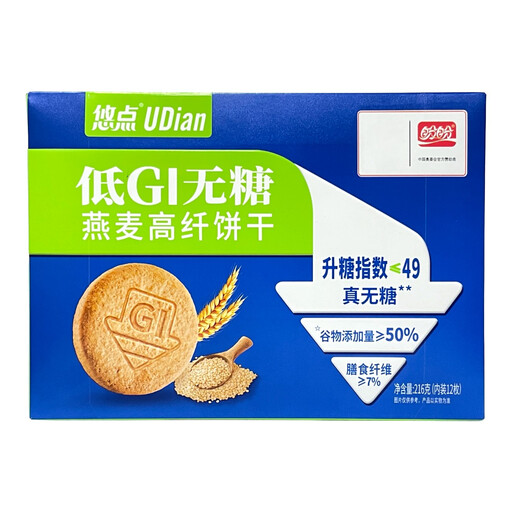 Image unavailable
Panpan oat biscuits, 216 g
A biscuit for the coffee break if guests aren’t specifically expecting a filled kano pastry.
The original product name includes claims about sugar and fibre; check these against the latest nutritional information. Also check the ingredients and allergens before serving the product to a group.
View on Joybuy
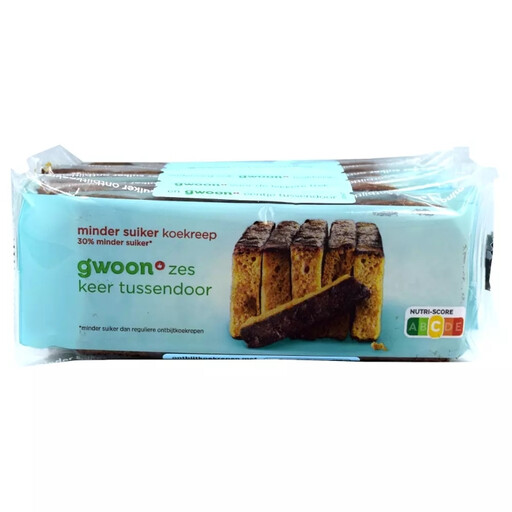 Image unavailable
g'woon Cookie Bars Less Sugar, 6 pieces
Cookie bars can work for a coffee break if a different type of product is acceptable instead of a kano pastry.
The words ‘Less Sugar’ in the product name don’t provide a basis for comparison on their own. Check the nutritional information, ingredients, allergens and packaging of the cookie bars you receive.
View on Joybuy
Frequently asked questions
Does ‘no added sugars’ mean a biscuit contains no sugars?
No. Verkade describes San Francisco Zero as a biscuit with no added sugars, but also lists 1.7 g of sugars per 100 g. Check the nutritional table as well as the claim.
Is a biscuit with no added sugars suitable for guests with allergies?
Not automatically. Verkade lists wheat, milk and soya in San Francisco Zero, as well as possible traces of other cereals containing gluten. Check the current packaging before offering it to guests.
Can I copy the allergen information from the online shop onto a buffet card?
Use it to prepare, but check the packaging of the product actually delivered when it arrives. Make sure the buffet card matches, and keep the product information available when food is served openly.
Can I replace a kano pastry with a Zero biscuit?
Yes, if a different type of biscuit fits the arrangements for the coffee break. A classic kano pastry is a filled pastry; Verkade San Francisco Zero is a biscuit without that filling. Make the change clear rather than presenting both as the same type of biscuit.


