If you mainly want to serve classic kano biscuits filled with almond paste, you can choose regular kano biscuits, but don’t present them as a lower-sugar biscuit. If a lower sugar content matters more than the shape of the biscuit, compare other biscuits per 100 g too, and check the serving size and allergens on the packaging.
Which choice is right for you?
Hosts who want to offer less sugar
If a lower sugar content is your main priority, compare biscuits using the ‘of which sugars’ figure per 100 g. Voedingscentrum recommends this basis for comparison; also check the current packaging before repeating any nutrition claim.
Fans of classic kano biscuits
If you’re mainly looking for a butter-rich biscuit with almond paste for your serving platter, the regular kano biscuits from Jumbo and PLUS fit the bill. Their product information doesn’t justify describing them as low in sugar.
Hosts catering for guests with allergies
If your guests need to avoid certain ingredients, check the allergen information on every pack before you buy. Jumbo and PLUS list ingredients including wheat, milk, soya, egg and almonds in their kano biscuits.
What should you look for when choosing?
First decide whether the treat has to be a kano biscuit. That will determine which biscuits are worth comparing for your garden party.
| What to consider |
What to check when buying |
Who it matters to |
| Sugar content |
Compare the ‘of which sugars’ figure per 100 g and read any claim on the current packaging. |
If I want to offer less sugar, I’m happy with a different biscuit shape as long as I can compare the nutritional information. Around 42% of consumers prioritise a lower sugar content. |
| A classic treat |
Check the quantity per pack, the stated serving size and the storage advice. |
For a platter with coffee or tea, I want to serve familiar kano biscuits filled with almond paste. A classic treat is the top priority for around 25% of consumers. |
| Allergens |
Read the ingredients, allergen information and any ‘may contain’ statement on every pack. |
If guests need to avoid certain ingredients, I want to be able to clearly explain what’s on the table. For around 33% of consumers, checking this is the top priority. |
Common mistakes
-
Assuming a lower sugar figure means ‘less sugar’
Jumbo states that its Kano’s met Roomboter contain 36,8 g of sugars per 100 g, while PLUS states that its Roomboter kano’s contain 38,9 g per 100 g. This difference doesn’t automatically make the Jumbo version a product with a substantiated nutrition claim.
When comparing products, describe the declared values and only repeat a claim if it appears on the current packaging for that specific product.
-
Looking only at the front of the packaging
A product name or category label won’t tell you how much sugar is in the same quantity of a comparable biscuit.
Read the nutritional information per 100 g, check the serving size and look at the ingredients of the alternative you want to serve.
-
Serving kano biscuits without allergen information
Jumbo and PLUS list several allergens in their product information; PLUS also notes the possible presence of other nuts and cereals containing gluten.
Keep the packaging handy and let guests know which product you’re serving. Clearly keep an alternative separate for anyone who needs to avoid certain ingredients.
-
Offering only regular kano biscuits
Guests looking for a different kind of treat won’t have a choice if there are only kano biscuits on offer.
If you like, serve some fruit or crudités too. These are different types of products, not kano biscuits with adjusted nutritional values.
Brands to consider
Jumbo
Jumbo Kano’s met Roomboter, 275 g, is a regular option to compare with other kano biscuits.
- Jumbo states that it contains 36,8 g of sugars per 100 g, with a serving size of 55 g.
- A lower declared figure than that of the PLUS kano biscuits mentioned here doesn’t substantiate a claim that these biscuits are low in sugar.
PLUS
PLUS Roomboter kano’s, 275 g, are regular kano biscuits filled with almond paste.
- PLUS states that they contain 38,9 g of sugars per 100 g and provides ingredient and allergen information.
- This nutritional information allows you to make comparisons, but it doesn’t position the product as a lower-sugar kano biscuit.
Albert Heijn
Albert Heijn has a product page for AH Roomboter kano’s and a separate category for biscuits for those watching their sugar intake.
- The separate category gives you a place to browse other biscuit shapes.
- That category says nothing about whether AH Roomboter kano’s have a lower sugar content. Check the current packaging for that product.
Other biscuit shapes at Joybuy
These biscuit bars and biscuits are for anyone who’d like to serve something other than kano biscuits at their garden party. Check the current nutritional information before relying on a sugar claim; the product name alone isn’t enough.
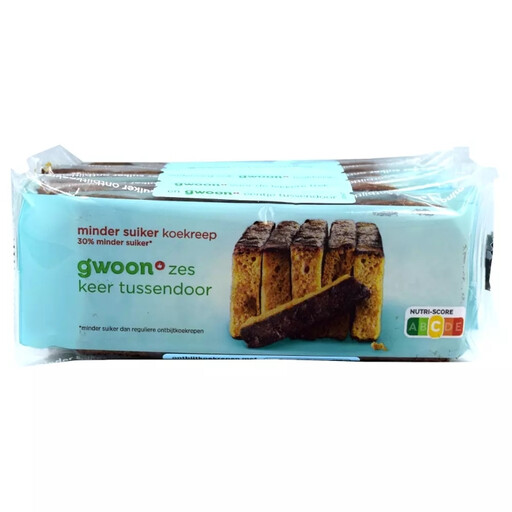 Image unavailable
g'woon Cookie Bars Less Sugar, pack of 6
If you’d rather hand out biscuit bars than kano biscuits, this pack contains six. ‘Less Sugar’ is part of the product name; check the nutritional information on the packaging before repeating any claim.
View at Joybuy
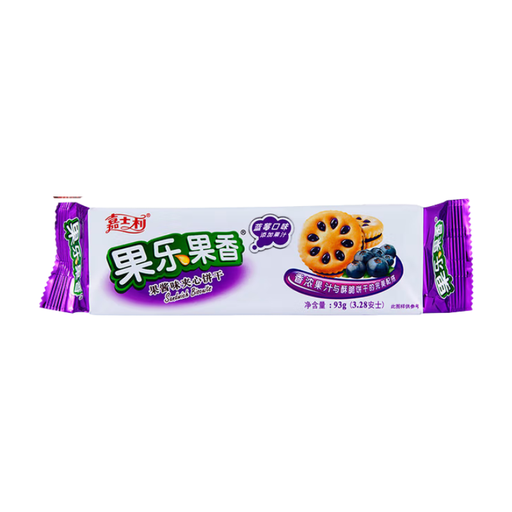 Image unavailable
Jiashili Fruity Biscuits, blueberry flavour, 93 g
If you’d like to serve a blueberry-flavoured biscuit instead of a kano biscuit, the product name mentions sweeteners and a 93 g pack. Check the current ingredients and nutritional information if sugar content will influence your choice.
View at Joybuy
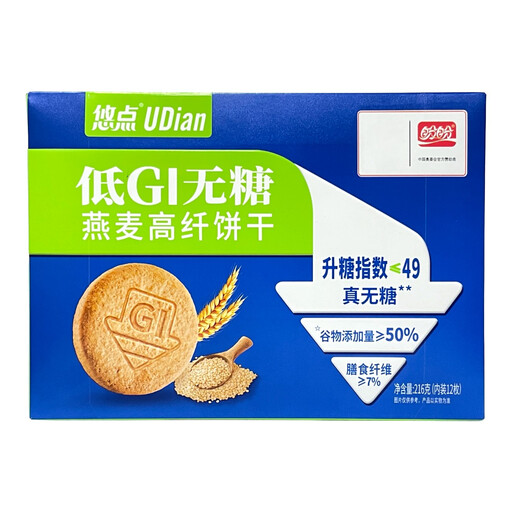 Image unavailable
Panpan oat biscuits, 216 g
If you’d like to offer oat biscuits as a different kind of treat, the pack states that it contains 216 g. Don’t rely on ‘Sugar-Free’ in the original product name; check the sugar content and ingredients on the current packaging.
View at Joybuy
Frequently asked questions
Are the Jumbo and PLUS kano biscuits mentioned low in sugar?
The product information doesn’t justify describing these regular kano biscuits as low in sugar. Jumbo states that its Kano’s met Roomboter contain 36,8 g of sugars per 100 g; PLUS states that its Roomboter kano’s contain 38,9 g per 100 g. The difference between these figures doesn’t, on its own, substantiate a nutrition claim.
How do I compare a kano biscuit with another biscuit?
Compare the nutritional information per 100 g; this is also the basis Voedingscentrum recommends for comparing products. Then check the serving size you plan to offer and read the ingredients and allergen information for both products.
Which allergens should I check in kano biscuits for guests?
Check the allergen information on the pack you’re serving. Jumbo and PLUS list ingredients including wheat, milk, soya, egg and almonds; PLUS also notes the possible presence of other nuts and cereals containing gluten.
How should I store kano biscuits bought before the party?
Follow the storage advice and best-before date on the packaging. Albert Heijn advises storing AH Roomboter kano’s in a cool, dry place and recommends keeping them in a sealed tin after opening.


