
Organisers comparing sugar content
You’re looking for egg cakes for a group and don’t want to rely only on ‘wholegrain’ claims or the amount per serving. Compare the sugars per 100 g and check any claims on the current packaging.


For the Sinterklaas arrival parade, compare the sugars per 100 g: on the Jumbo and Albert Heijn product pages, Jumbo Egg Cakes 4 Pieces has the lowest figure of the four egg cakes compared, at 29.5 g. However, that does not make it a verified ‘lower-sugar’ option. With a recipe for lower-sugar egg cakes, you can weigh out the ingredients yourself, although baking takes more preparation than handing out packaged cakes. Don’t assume wholegrain means less sugar: check the nutrition information for those options too.
You’re looking for egg cakes for a group and don’t want to rely only on ‘wholegrain’ claims or the amount per serving. Compare the sugars per 100 g and check any claims on the current packaging.
You want to know in advance how many cakes to bring. The number of cakes, pack weight and availability when you buy all affect how practical a packaged product is.
If children and adults from different households will be eating them, you’ll want to check the ingredients, allergens and any sweeteners as well as the sugars.
First decide whether you need a ready-made egg cake: baking your own takes preparation, and a different type of biscuit isn’t a substitute for an egg cake. For packaged options, compare the sugars per 100 g, then assess wholegrain, pack size and allergens separately.
| What to consider | What to look for | Who it matters to |
|---|---|---|
| Comparing sugars | Compare ‘of which sugars’ per 100 g on the current labels. Assess any product claim separately from the nutritional values. | I want to hand out egg cakes where the sugar content is the deciding factor, not just a word on the packaging. Around 42% of consumers put this first. |
| Quantity and packaging | Check the number of cakes and the total weight. If there’s a temporary offer, check that the cakes will be available when you need them. | For handing them out at the parade, I want to know in advance how many cakes I can bring. For around 25% of consumers, this practical convenience matters most. |
| Wholegrain and fibre | Compare both fibre and sugars per 100 g. Jumbo lists 3.9 g of fibre and 33.6 g of sugars per 100 g for its Wholegrain Egg Cakes. | I focus first on a wholegrain option or the stated fibre content, but I don’t assume this means less sugar. This is the main consideration for around 17% of consumers. |
| Ingredients and allergens | Read the current allergen information and ingredients list. If you choose an alternative biscuit, check whether it contains sweeteners too. | When I’m handing them out to others, I want to be able to check which ingredients they’ll be eating. Around 16% of consumers prioritise this. |
Albert Heijn lists 31 g of sugars per 100 g for both AH Egg Cakes and AH Wholegrain Egg Cakes. Jumbo Wholegrain Egg Cakes contain 33.6 g per 100 g.
Choose wholegrain if that’s a separate priority for you, and compare the sugar content of the specific options again.
A smaller cake may contain less sugar per item without having a lower sugar content per 100 g.
Compare per 100 g first, as the Netherlands Nutrition Centre advises for product comparisons. Then look at the serving size and number of cakes.
A different type of biscuit may contain different ingredients. For example, Panpan oat biscuits list maltitol as a sweetener and wheat, soya, oats and egg as allergens.
Check the current packaging before handing them out, and keep the ingredients and allergen information available alongside the biscuits.
The same search term may also bring up small egg tarts, other biscuits or an egg-cake pan. These are not substitutes for a packaged egg cake.
Check the product type and full product name on the product page before planning how many to take to the parade.
Own-label range with a standard egg cake and a wholegrain option.
Own-label range with standard and wholegrain egg cakes; nutrition information is listed on the product pages.
Own-label range of free-range egg cakes in a pack of 12.
Egg cakes listed in a temporary in-store offer as a pack of 12.
Brand of Brosse Eierkoek, a crispy egg-cake option.
If you don’t specifically need an egg cake, you could consider this oat biscuit as a different kind of treat. Compare the nutrition information and check the ingredients and allergens before handing it out; it isn’t a packaged egg cake.
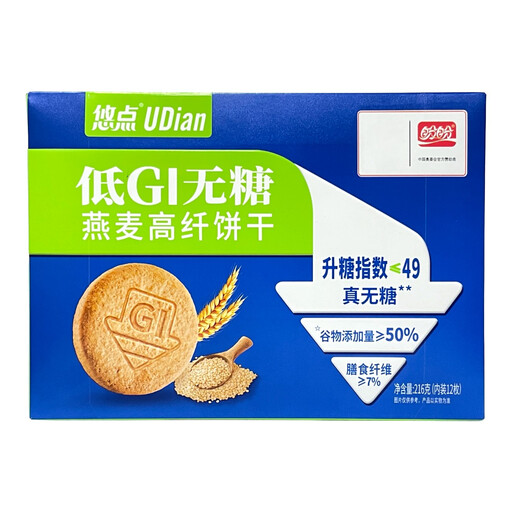 Image unavailable
A different kind of biscuit for the parade, if you don’t need the shape and flavour of an egg cake.
The nutrition information lists 11.7 g of sugars per 100 g. The product contains maltitol (E965) as a sweetener and lists wheat, soya, oats and egg as allergens; check the current packaging before handing it out.
No. Albert Heijn lists 31 g of sugars per 100 g for both AH Wholegrain Egg Cakes and its standard option; Jumbo lists 33.6 g per 100 g for its Wholegrain Egg Cakes. So compare wholegrain options separately for sugars and fibre.
Compare the sugars per 100 g in the nutrition information. The Netherlands Nutrition Centre recommends using this basis for product comparisons; then use the serving size to work out how many cakes you want to hand out.
Read the allergen information on the current packaging for each option you choose. For Jumbo Egg Cakes 4 Pieces, Jumbo lists egg, gluten, milk, soya and wheat among other allergens. Other options and alternative biscuits may have a different composition.
No. Consider the product type, other nutritional information and ingredients too. Panpan oat biscuits aren’t egg cakes; their nutrition information lists 11.7 g of sugars per 100 g and maltitol as a sweetener. Also check the allergens on the packaging.
Follow the storage advice on the packaging you’ve chosen. Albert Heijn advises storing AH Egg Cakes in a cool, dark and dry place and closing the pack securely after use. Also check the best-before date before handing them out.