
Parents comparing sugar content
You want to hand out an egg cake, so you’re comparing the sugars per 100 g as well as per portion. The nutritional information from Albert Heijn and Jumbo shows why the word ‘wholegrain’ alone isn’t enough.


For a children’s party, first compare the sugars per 100 g in egg cakes, then check how much sugar is in the portion you’ll actually hand out. Wholegrain doesn’t automatically mean less sugar; if the egg-cake shape isn’t important, you could also consider a biscuit as a separate alternative. Before buying, ask about allergies and the venue’s rules, and check the current packaging.
You want to hand out an egg cake, so you’re comparing the sugars per 100 g as well as per portion. The nutritional information from Albert Heijn and Jumbo shows why the word ‘wholegrain’ alone isn’t enough.
You want to tailor portions to the number of children. The Netherlands Nutrition Centre recommends keeping treats small and checking in advance whether the school or childcare setting has any rules.
You need to know which ingredients matter for the children who’ll be there. Check the packaging of the variety you choose and agree the treat in advance with the venue and the parents or carers concerned.
First decide whether it has to be an egg cake. Compare sugars on the same basis within that product type, then consider the portion you’ll hand out and whether the treat is suitable for the children and the venue.
A good choice when: You want a familiar egg cake and would like to compare regular varieties by sugar content.
Things to consider: Jumbo lists 29.5 g of sugars per 100 g for its regular egg cake, while Albert Heijn lists 31 g per 100 g. These figures apply to those two products only, not all egg cakes.
A good choice when: You specifically want to compare a wholegrain variety and are considering fibre as a separate factor.
Things to consider: According to Albert Heijn’s product information, both its regular and wholegrain egg cakes contain 31 g of sugars per 100 g. So, in this case, wholegrain doesn’t mean a lower sugar content.
A good choice when: It doesn’t have to be an egg cake and you’re open to considering another type of biscuit.
Things to consider: Verkade describes San Francisco Zero as a biscuit with no added sugars, not an egg cake. Its shape and portion therefore aren’t directly comparable with those of an egg cake.
| What to consider | What to check when buying | Who it matters to |
|---|---|---|
| Sugars | Compare the ‘of which sugars’ figures per 100 g for egg cakes, then check the amount per portion you’ll hand out. | If you want to hand out a familiar egg cake and sugar is your priority, you’ll need both a like-for-like product comparison and the actual portion size. Around 42% of consumers put this sugar comparison first. |
| Allergens and venue rules | Read the current ingredients and allergen information, and ask about the venue’s rules before buying. | If children with allergies will be there, or the school has its own rules about treats, your choice needs to meet those requirements. For around 33% of consumers, suitability is their first concern. |
| Portion sizes | Check the number of pieces and the weight per piece, then work out how many you’ll need for the number of children. | When handing out treats to a group, you’ll want to know in advance how big each one is and how many you need. Small, manageable portions are the priority for around 25% of consumers. |
Albert Heijn lists 31 g of sugars per 100 g for both its regular and wholegrain egg cakes. Jumbo lists 33.6 g per 100 g for its wholegrain variety, compared with 29.5 g per 100 g for its regular one.
Compare the sugar information for the exact varieties. Consider fibre separately if it matters to your choice.
Verkade lists 1.7 g of sugars per 100 g for its San Francisco Zero biscuit, even though Verkade says it contains no added sugars. It’s not an egg cake, either.
As well as checking the claim, read the nutritional information, ingredients and allergen details. Don’t present a biscuit as if it were the same treat as an egg cake.
A small portion doesn’t tell you how products compare per 100 g. Jumbo lists 6.6 g of sugars per piece for Bolletje Brosse Eierkoeken met melklaagje, with each piece weighing around 15.5 g, and 42 g of sugars per 100 g.
Use the figure per 100 g to compare products and the figure per piece to plan your treats.
The Netherlands Nutrition Centre recommends asking in advance about allergies, religious beliefs and the venue’s policy on treats. A suitable sugar content doesn’t automatically make a product suitable for every child or venue.
Ask the school, after-school club or party venue what you’re allowed to hand out, then check the current packaging of the product you’ve chosen.
Albert Heijn provides nutritional information for its regular and wholegrain egg cakes, so you can compare the varieties on a like-for-like basis.
Jumbo lists nutritional values for its regular and wholegrain egg cakes, allowing you to compare these specific varieties.
Brosse Eierkoeken met melklaagje are a crisp, individually wrapped option if you want to plan treats by the piece.
San Francisco Zero is a biscuit to consider if your treat doesn’t have to be an egg cake.
Heerlijck Banket’s free-range egg cakes are an option to consider in terms of pack size when planning treats for a group.
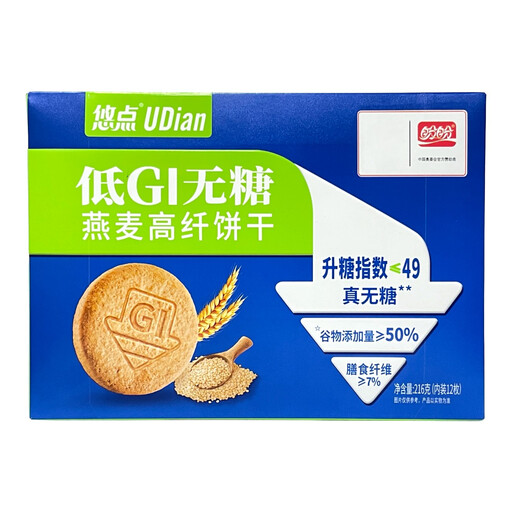
This product is a biscuit alternative if you don’t specifically want to hand out egg cakes. Don’t compare it as though its shape and portion size were the same as an egg cake; also check the ingredients and the actual portion size.
 No image available
A biscuit to consider if an egg cake isn’t essential. The product information lists 11.7 g of sugars per 100 g, so don’t rely on ‘Sugar-Free’ in the product name. Before handing them out, check how many biscuits and how many grams are in a portion. The product information lists wheat, soya, oats and egg; check the current packaging for allergen details.
No. Albert Heijn lists 31 g of sugars per 100 g for both its regular and wholegrain egg cakes. Jumbo lists 33.6 g per 100 g for its wholegrain variety, compared with 29.5 g for its regular one. So compare the exact products using their current nutritional information.
No, that doesn’t follow from the claim. Verkade describes San Francisco Zero as a biscuit with no added sugars, while the nutritional information lists 1.7 g of sugars per 100 g. Also consider the ingredients and portion size when making your choice.
Check the allergen information on the current packaging of the exact variety, and ask in advance which allergies the children have. Among the products reviewed, egg, wheat, milk and soya are relevant; don’t assume that all egg cakes contain the same ingredients.
Ask the school or after-school club in advance which treats are allowed. The Netherlands Nutrition Centre also recommends taking allergies and religious beliefs into account; the rules at the specific venue will determine what you can hand out.