
Parents keeping an eye on sugar
If you want a crunchy base for an after-school snack, compare the sugar content per 100 g rather than looking only at the amount per cracker. Then check what the topping adds to the snack.


To choose crispbread for an after-school snack, compare similar products by their sugar content per 100 g, and check the fibre, salt and topping too. If the crispbread is going to school or after-school club, check the allergens on the current packaging and the setting’s rules first: lower sugar does not mean a product is gluten-free.
If you want a crunchy base for an after-school snack, compare the sugar content per 100 g rather than looking only at the amount per cracker. Then check what the topping adds to the snack.
When packing a snack, both the allergens on the packaging and the setting’s rules matter. Rye crispbread contains gluten; other allergens vary by product.
If crispbread is a regular feature at home, the fibre and salt listed on the packaging, the amount served and the topping you choose all matter alongside the sugar content.
Start with any allergies or school and after-school club rules. Compare the nutritional information per 100 g of the products that meet those requirements, then decide on the amount and topping.
| What to look for | What to check when buying | Who should pay particular attention? |
|---|---|---|
| Sugars | Compare ‘of which sugars’ per 100 g for similar types of crispbread. Check the topping separately. | If I want a lower-sugar snack, I don’t want to rely on the amount per cracker when crackers vary in weight. Around 36% of consumers put comparing sugar content first. |
| Allergens and setting rules | Read the current allergen information and ask what rules apply at school or after-school club. | When my child takes a snack with them, it needs to suit the allergens we need to avoid and the setting’s rules. This is the main concern for around 29% of consumers. |
| Fibre and salt | Check fibre and salt per 100 g; when putting the snack together, factor in the amount of crispbread and the topping too. | For a snack I serve regularly, I want to look beyond sugar content alone. Around 21% of consumers say this is the factor they pay most attention to. |
| Consistent availability | Check that your preferred variety is available, and read the label again when you buy a new pack. | If a particular crispbread works well at home, I want to be able to choose the same variety next time I shop. For around 14% of consumers, this practical consideration matters most. |
Crackers and stated portion sizes can vary in weight. So the amount per cracker doesn’t give you a like-for-like comparison.
Voedingscentrum recommends comparing nutritional information per 100 g, then deciding how many crackers to serve as a snack.
Rye contains gluten. Other allergens can also vary between products; Wasa Lichtgewicht, for example, lists milk.
Before packing the snack, check the current packaging and the rules at school or after-school club. If you need a gluten-free option, choose a product that is explicitly labelled as suitable.
The nutritional information for the crispbread alone doesn’t describe the finished snack.
Choose the crispbread and topping together, and check the relevant nutritional information for both products.
The label ‘Dutch crispbread’ doesn’t tell you what type of salt is used in that particular product.
If the type of salt matters to you, check the ingredients list on that pack.
Wasa offers wholegrain rye crispbread, lighter varieties and products that are separately labelled as gluten-free.
Ryvita’s UK product website features several types of rye crispbread, including Original.
The own-brand range includes several types of crispbread, including wholegrain and sesame varieties.
Jumbo lists several Wasa varieties online, including Volkoren, Lichtgewicht and products separately labelled as gluten-free.
Lidl has a product page for wholegrain crispbread.
These crispbreads could make a good base for an after-school snack. Before choosing a variety or packing it to take with you, compare the current packaging for sugar, fibre, salt and allergens.
 Image unavailable
A wholegrain variety to compare as a base for an after-school snack. When packing it, check the current allergen information and the rules at school or after-school club.
 Image unavailable
A wholegrain option if you’re looking for crispbread as a snack base. Before packing it to take along, check the allergens on the packaging and the rules at school or after-school club.
 Image unavailable
A Wasa variety to consider if fibre is one of your priorities when choosing a snack base. Compare sugars and salt per 100 g too, and read the allergen information.
 Image unavailable
A wholegrain Wasa variety for anyone considering plain crispbread as a snack base. For school or after-school club, check the current information on gluten and other allergens.
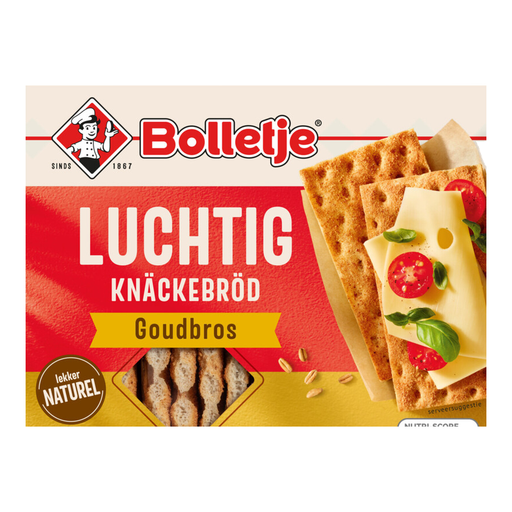 Image unavailable
A lighter crispbread variety to compare with other snack bases. Don’t let the name replace a check of sugars per 100 g and the allergens listed on the packaging.
For similar products, compare the ‘of which sugars’ figure per 100 g, not just the amount per cracker. Voedingscentrum recommends comparing labels on this equal-weight basis; then check the topping and how much you plan to serve.
No. Rye crispbread isn’t gluten-free because rye contains gluten. If you need a gluten-free option, choose a suitable product that is explicitly labelled as gluten-free, and also check the current allergen information and the rules at school or after-school club.
No. ‘Wholegrain’ doesn’t tell you everything about the snack. Check the nutritional information for sugars, fibre and salt, read the allergen information and factor the topping into your choice.
Don’t assume so without checking the ingredients list for the exact product. If the type of salt matters to you, check what the current packaging says.