If you want to choose a cracker with less sugar for your coffee break, start by comparing the ‘of which sugars’ value per 100 g, then consider how much you actually eat. Next, take wholemeal ingredients, fibre, carbohydrates and any allergens into account based on your needs. Terms such as ‘low-carb’ and ‘high in fibre’ don’t tell you how much sugar a cracker contains. Toppings and a sweetened coffee drink can also contribute to the total for your coffee break.
Who might find this choice relevant?
The sugar-conscious coffee-break snacker
You want to compare crackers by their sugar content, so you check the nutrition information per 100 g and consider your usual portion. If you’re also keeping an eye on added sugars, check the ingredients list too.
The wholemeal and fibre seeker
As well as sugar, you look at wholemeal ingredients and fibre. The Netherlands Nutrition Centre explains that wholegrain products contain more fibre than comparable products made with white flour.
The diet or allergen checker
Alongside your preference for less sugar, you have a separate requirement, such as a gluten-free product, a different amount of carbohydrates or avoiding specific allergens. Each of these needs requires its own check on the packaging.
What should you look for when choosing?
Start by comparing crackers on a like-for-like basis. Then decide which other feature matters most for your coffee break.
| What to consider |
What to check when buying |
Who it’s for |
| Sugars |
Compare the ‘of which sugars’ value per 100 g and work out the amount in your portion. If you want to identify added sugars, check the ingredients list too. |
When I eat crackers with my coffee, I want to compare the sugar content of different packs fairly. Around 42% of consumers say this is their priority. |
| Wholemeal and fibre |
Check the wholemeal ingredients and fibre content per 100 g; also check the salt content. |
For my regular coffee break, I want to know which grains the cracker contains and how much fibre it has, as well as its sugar content. This matters most to around 33% of consumers. |
| Dietary requirements and allergens |
Check the allergen information to make sure it meets your specific needs. If you’re considering a low-carb or gluten-free option, compare the sugar content separately. |
If I need to avoid an ingredient or am looking for a different carbohydrate content, that requirement determines which crackers I can consider. This comes first for around 25% of consumers. |
Common mistakes
-
Assuming ‘low-carb’ or ‘high in fibre’ means ‘low in sugar’
These terms refer to other qualities. For example, Jumbo lists 3,9 g of sugars per 100 g for its Luchtige Crackers Vezelrijk; the ‘high in fibre’ claim doesn’t tell you the sugar content.
Use the ‘of which sugars’ line as your first point of comparison, then consider whether another feature matters to you.
-
Checking only the sugar content
A cracker with a lower stated sugar content may contain ingredients you want to avoid. Salt and fibre are separate values too: Jumbo lists 0,3 g of sugars and 0,98 g of salt per 100 g for its Biologisch Crackers Volkoren.
Read the full nutrition table and, if you have an allergy requirement, check the ingredients and allergen information on the packaging.
-
Comparing a light cracker with a dense one by the piece
Individual crackers can weigh different amounts. That means the sugar content per cracker isn’t a reliable basis for comparison unless you know the portion weight.
Compare products per 100 g, then consider how many crackers you eat during your coffee break.
-
Not taking toppings and drinks into account
If you eat a cracker with a sweet topping or drink sweetened coffee, looking at the cracker alone won’t tell you about your whole coffee break.
Check your topping and drink too if you want to compare the sugar content of your coffee break.
Brands to compare
Compare specific products rather than a brand as a whole: ingredients and nutritional values vary from one product to another.
Bolletje
Bolletje offers vegetable crackers and Proteïn & Low Carb Crackers, among other products. These ranges are worth considering if you want to compare ingredients, fibre or carbohydrates as well as sugars.
- According to Bolletje’s own product information, its vegetable cracker contains 12% fibre.
- The ‘low-carb’ label doesn’t confirm that a product is low in sugar. Bolletje Proteïn & Low Carb Crackers contains ingredients including wheat gluten and sesame.
Jumbo
Jumbo’s nutrition information gives you specific values to compare across different types of crackers.
- Jumbo lists 0,3 g of sugars and 12,4 g of fibre per 100 g for its Biologisch Crackers Volkoren.
- Jumbo Luchtige Crackers Vezelrijk lists 3,9 g of sugars and 1,18 g of salt per 100 g. So compare the specific product, not just the name on the front of the pack.
Albert Heijn
Albert Heijn stocks its own-brand crackers alongside products from other brands. This makes the product information useful for comparing individual packs.
- For example, the product information for Wasa Volkoren lists 1,5 g of sugars and 20 g of fibre per 100 g.
- Albert Heijn says that product information can change. Always check the current packaging for ingredients, allergens and nutritional values too.
Crackers and crispbread on Joybuy
These crackers and this crispbread are options to compare for a coffee break. They differ in grain type and product style, among other things. Before choosing, check the latest nutrition information per 100 g and consider how much you eat.
 Image unavailable
Wasa Sourdough Rye Crackers, 235 g
A rye cracker to compare if you also consider the type of grain you eat with your coffee. Check the sugars per 100 g and your portion size on the latest packaging.
Contains rye, barley and gluten-containing cereals; may contain sesame and milk.
View at Joybuy
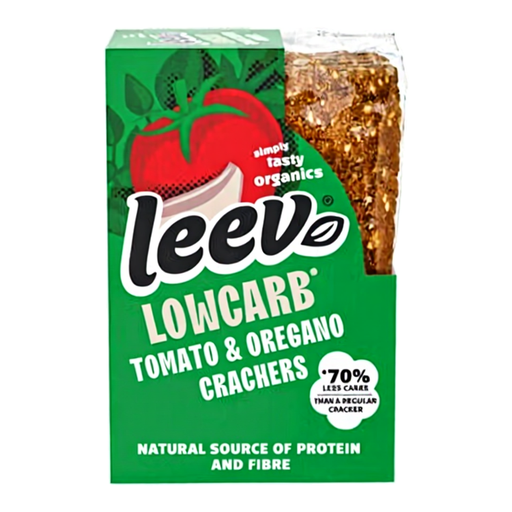 Image unavailable
Leev Organic Low-Carb Tomato Oregano Crackers, 80 g
A tomato and oregano option for anyone who wants to compare carbohydrates as well as sugars. Check these values separately: ‘low-carb’ doesn’t indicate the sugar content.
Contains lupin, egg, milk, sesame and wheat, among other ingredients. Check the allergen information on the packaging.
View at Joybuy
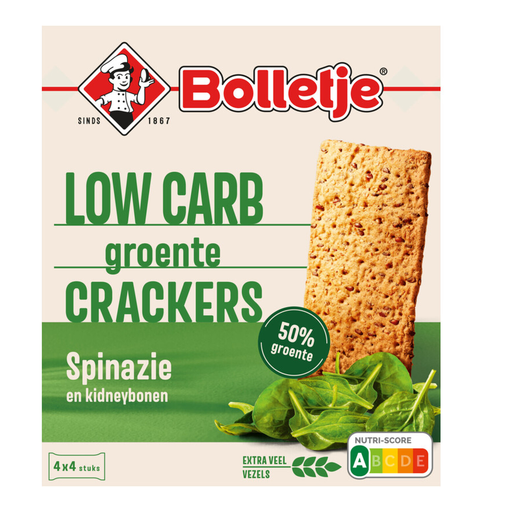 Image unavailable
Bolletje vegetable crackers with spinach, 16 pieces
A vegetable cracker to include in your sugar comparison for a coffee break. Use the packaging to check the nutritional values per 100 g and per portion eaten.
Contains wheat and sesame; the product information mentions possible traces of egg, milk and nuts.
View at Joybuy
 Image unavailable
Wasa High-Fiber Crackers, 300 g
A cracker for anyone who wants to check the fibre content as well as sugars. Compare both values in the latest nutrition table; the product name alone isn’t enough to compare sugar content.
Contains rye, wheat, oats and sesame; may contain milk.
View at Joybuy
 Image unavailable
g'woon wholemeal crispbread, 375 g
Wholemeal crispbread for anyone who also considers their choice of grain at coffee time. Compare the sugars per 100 g with other products, then think about your portion size.
Contains wheat, rye, barley, sesame, egg, milk and lupin, among other ingredients; may contain traces of soya.
View at Joybuy
Frequently asked questions
Does ‘low-carb’ mean a cracker is low in sugar?
No. ‘Low-carb’ refers to carbohydrates and doesn’t tell you the sugar content separately. Bolletje compares the carbohydrate content of its Proteïn & Low Carb Crackers with other breakfast crackers; check the relevant line in the nutrition table for the sugar content.
Should I compare sugars per cracker or per 100 g?
Use the per 100 g value to compare packs on a like-for-like basis, then consider how much you actually eat. Crackers can weigh different amounts per piece, so comparing them per cracker without knowing the portion weight can be misleading.
What should I look for if fibre matters to me too?
Check the ingredients and compare fibre, sugars and salt per 100 g. Albert Heijn’s product information lists 20 g of fibre, 1,5 g of sugars and 1,2 g of salt per 100 g for Wasa Volkoren. These separate values can help you decide whether the product suits your needs.
Are gluten-free crackers automatically lower in sugar?
No. Gluten-free describes a different quality from sugar content. Albert Heijn lists 1,5 g of sugars and 1,59 g of salt per 100 g for Nairn's Volkoren crackers glutenvrij. If you need a gluten-free option, check the label and allergen information, and compare the nutritional values separately.


