When comparing crackers to have with your coffee, start by checking ‘of which sugars’ per 100 g, rather than relying on terms such as ‘light’ or ‘low carb’. Then decide which other factors matter during your stay: fibre or protein for a light breakfast, allergens and salt content, and packaging you can reseal and use after opening.
Who is this relevant to?
Hotel guest comparing sugar content
You want a cracker to have with your coffee, but you don’t want to rely on the front of the pack alone. The Voedingscentrum recommends comparing similar products per 100 g; check the ‘of which sugars’ figure and the ingredients.
Traveller putting together a light breakfast
You’re looking for crackers for breakfast or a snack, and want to check fibre, protein and the practical amount per pack as well as sugar. Product information from Albert Heijn and Jumbo shows that these values vary between products.
Guest keeping an eye on allergens or salt
You’ll need the label for the exact product you choose. Product information from Albert Heijn and Jumbo lists allergens in the crackers discussed, including cereals containing gluten, sesame and soya; the stated salt content also varies.
What should you look for when choosing?
When comparing similar crackers, start with the nutritional information per 100 g. Then decide what matters most for your coffee break or breakfast, and check the pack of the product you plan to take with you.
| What to look for | What to check when buying | Who it matters to |
|---|
| Sugars |
Compare ‘of which sugars’ per 100 g and read the ingredients list; don’t infer sugar content from ‘low carb’. |
If I mainly want less sugar with my coffee, I want to compare the figures for similar crackers side by side. For around 33% of consumers, comparing sugar content comes first. |
| Nutritional value |
Check fibre and protein per 100 g, and include fat and energy if they matter to your choice. |
For a light breakfast, I don’t want to choose based on sugar alone; I also want to know what else the cracker contains. For roughly 25% of consumers, these other nutritional values are the main priority. |
| Allergens and salt |
Read the allergen declaration for the product you choose and compare salt content per 100 g. |
If I have a relevant allergy or am watching my salt intake, a suitable sugar figure can’t be my only criterion. Around 25% of consumers give these checks top priority. |
| Using them in your room |
Check the pack size and storage instructions after opening; find out whether you’ll need toppings or cutlery. |
If I’m only staying for a short time, I want to be able to store and use an opened pack without relying on facilities that might not be available. For around 17% of consumers, practical use matters most. |
Common mistakes
-
Assuming ‘low carb’ means ‘low sugar’
Carbohydrates and ‘of which sugars’ are separate figures on the label. For example, Bolletje Crackers Protein Low Carb contains 15 g of carbohydrates, of which 2.8 g are sugars, per 100 g, according to Albert Heijn.
For a sugar comparison, read the ‘of which sugars’ line; check other nutritional values separately.
-
Stopping at the sugar information
Product information from Albert Heijn and Jumbo lists allergens in various crackers, including cereals containing gluten, sesame and soya. Salt content also varies between products.
Check the allergen declaration and salt content on the pack you’re actually choosing.
-
Comparing serving sizes across different brands directly
A serving from one brand may not be the same size as a serving from another. That’s why the Voedingscentrum recommends comparing similar products per 100 g.
Compare per 100 g first, then decide how many crackers you want to have.
-
Taking an opened pack without a storage plan
For Jumbo Luchtige Crackers Naturel, Jumbo advises resealing the pack securely after opening and using the rest within a few days. This is worth bearing in mind if you’re staying for a short time.
Before you set off, check the pack size and storage instructions, and what you’ll need in your room to eat the crackers.
Brands compared
Bolletje
Among the Bolletje products discussed, you can compare a multiseed breakfast cracker with a Protein Low Carb cracker. These values apply to those products, not the brand as a whole.
- Albert Heijn lists 2.5 g of sugars and 14 g of fibre per 100 g for Ontbijtcrackers Meerzaden; for Crackers Protein Low Carb, the figures are 2.8 g of sugars and 17 g of fibre per 100 g.
- Check the other nutritional values and allergens for each product too. The term ‘low carb’ is no substitute for checking the sugar information.
Melba
The Naturel and Volkoren crackers described by Jumbo let you compare two Melba varieties.
- Jumbo lists 3.1 g of sugars per 100 g for both. Volkoren contains 9.5 g of fibre per 100 g, compared with 6.4 g for Naturel.
- Check the allergens for the product you choose; the product information discussed lists cereals containing gluten and soya.
Jumbo
Jumbo Luchtige Crackers Naturel is a supermarket own-brand option to assess by its label values and how it can be stored after opening.
- Jumbo lists 3.5 g of sugars and 1.20 g of salt per 100 g.
- Jumbo says the pack should be sealed tightly after opening and the remaining crackers used within a few days.
Goud Gebakken
Goud Gebakken Low Carb Crackers are worth considering if you also want to check the carbohydrate content.
- ALDI Nederland lists 1.2 g of carbohydrates per cracker for this variety.
- Don’t use this figure as a measure of sugar content; check ‘of which sugars’ on the current label for that.
Crackers on Joybuy to have with coffee or breakfast
These crackers and types of crispbread are suitable for a light breakfast or snack in your room. Compare the nutritional information and allergens for the specific pack you’re considering; if you’re staying for a short time, check the pack size too.
 Image unavailable
g'woon Wholemeal Crispbread, 375 g
If you like wholemeal crispbread with your coffee, this pack contains 375 g. Compare the sugars per 100 g on the label and consider whether you can use this amount during your stay.
View on Joybuy
 Image unavailable
Wasa Sourdough Rye Crackers, 235 g
If you’re looking for sourdough rye crackers for breakfast or a snack, take a look at this 235 g pack. As well as the sugar information, check the salt content and allergens on the pack you choose.
View on Joybuy
 Image unavailable
Wasa High-Fiber Crackers, 300 g
If you want to compare fibre as well as sugars for a light breakfast, check the nutritional information for this high-fibre variety. The pack contains 300 g; check the allergens too.
View on Joybuy
 Image unavailable
Bolletje Whole Grain Crispbread, 265 g
If you’re looking for wholegrain crispbread to have with coffee or breakfast, this is the 265 g Whole Grain variety. Check the sugars and fibre per 100 g, and read the allergen information on the label.
View on Joybuy
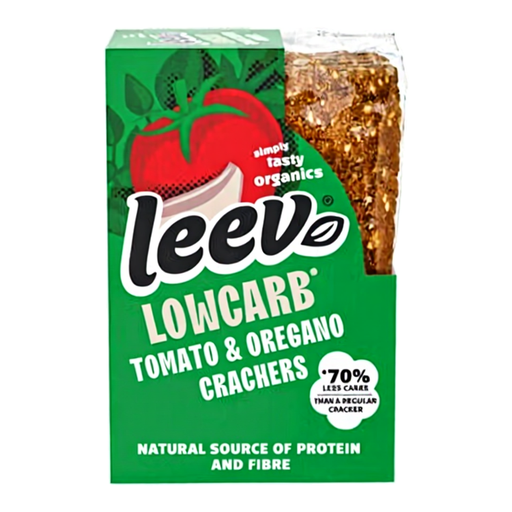 Image unavailable
Leev Organic Low-Carb Tomato Oregano Crackers, 80 g
Looking for tomato and oregano crackers for a snack? This pack contains 80 g. Don’t infer the sugar content from ‘Low-Carb’. Check the current label before buying, especially if allergens matter to you.
View on Joybuy
Frequently asked questions
Does ‘low carb’ mean a cracker is low in sugar?
No. Compare carbohydrates and ‘of which sugars’ separately. Albert Heijn lists 15 g of carbohydrates, of which 2.8 g are sugars, per 100 g for Bolletje Crackers Protein Low Carb; check the nutritional information for the specific product before buying.
How do I compare crackers with different serving sizes?
Start by comparing similar crackers per 100 g. The Voedingscentrum recommends this basis because serving sizes can vary between packs; then consider how many crackers you want to have.
What should I do after opening a pack in my hotel room?
Follow the storage instructions on your pack and seal it securely after use if instructed. For Jumbo Luchtige Crackers Naturel, Jumbo specifically advises using the rest within a few days; also consider in advance whether you’ll need cutlery for your toppings.
Should I check allergens in a plain cracker?
Yes. If allergens are relevant to you, read the declaration for the product you choose. Depending on the product, the crackers described by Albert Heijn and Jumbo contain ingredients such as cereals containing gluten, sesame or soya; the ingredients are not the same in every cracker.


