
Hosts who put sugar content first
You’re looking for a biscuit to enjoy with coffee or tea that has a low figure for ‘of which sugars’. Sweeteners may be an option for you, as long as the ingredients are suitable for your guests too.


For your Christmas coffee table, start by checking the amount of sugars per 100 g. A sugar-free biscuit is the better choice if you’re aiming for the lowest possible sugar content, while a lower-sugar option leaves room for a familiar syrup waffle or fruit biscuit. Whichever you choose, check the ingredients, carbohydrates and allergens too; a claim about reduced sugar doesn’t tell you how much sugar the biscuit actually contains.
You’re looking for a biscuit to enjoy with coffee or tea that has a low figure for ‘of which sugars’. Sweeteners may be an option for you, as long as the ingredients are suitable for your guests too.
You’d like to serve a syrup waffle, fruit biscuit or chocolate biscuit, for example, and are looking for a lower-sugar version in that style.
You check the allergens, polyols and carbohydrates before serving, because a biscuit with a low sugar content isn’t necessarily suitable for every guest.
First compare the nutritional values of similar biscuits per 100 g, as the Netherlands Nutrition Centre advises. Then choose the style of biscuit and packaging that suit your Christmas coffee table.
| What to consider | What to check | Who it matters to |
|---|---|---|
| Sugar content | Check ‘of which sugars’ per 100 g and see whether the front of the pack says ‘sugar-free’, ‘no added sugar’ or ‘less sugar’. | If I mainly want to serve biscuits with less sugar, the figure on the label should matter more than the claim on the front. For around 36% of consumers, sugar content comes first. |
| A familiar style of biscuit | Choose the type you like and, if there’s a sugar-reduction claim, compare both the named reference product and the sugars per 100 g. | At Christmas coffee, I want to serve a familiar treat, even if it doesn’t have the lowest sugar content. For around 29% of consumers, a familiar style matters most. |
| Ingredients for guests | Check the allergens, sweeteners used and polyols, and, if necessary, the total carbohydrates on the current packaging. | If guests need to avoid certain ingredients, I want to know what I’m serving them. For around 21% of consumers, checking the ingredients takes priority. |
| Serving and storage | Check the number of portions or individually wrapped biscuits, and follow the storage instructions on the packaging. | When I’m hosting several guests, I want the biscuits to be easy to serve and store. For around 14% of consumers, this is the most important purchase criterion. |
Albert Heijn says AH Roomboter less sugar syrup waffles contain 32% less sugar than the regular AH version, but they still have 23 g of sugars per 100 g. A reduction claim on its own doesn’t tell you how much sugar a product contains.
Always check ‘of which sugars’ per 100 g alongside the claim, and compare that figure with a similar biscuit.
According to Jumbo’s product information, Céréal Sugar-Free Coconut contains 0 g of sugars, but also 18 g of polyols and 72 g of carbohydrates per 100 g. A low sugar figure doesn’t give you the full nutritional picture.
For biscuits made with sweeteners, check the carbohydrates and polyols too, as well as any warning about a laxative effect if consumed excessively.
Ingredients vary from one biscuit to another. Albert Heijn lists cereals containing gluten, milk and soya among the allergens in Verkade San Francisco zero. Jumbo lists almonds, egg, milk, soya, wheat and barley among the allergens in its Céréal speculoos version with almonds.
Check the current packaging before serving, and make the allergen information available to your guests.
The AH range includes both a digestive biscuit with a very low stated sugar content and a syrup waffle with less sugar than the regular AH version.
Jumbo stocks several Céréal biscuits with a low stated sugar content, including coconut and chocolate varieties.
Verkade San Francisco zero is a biscuit to consider if you’re specifically looking for a claim about added sugar.
Lotus Bakeries describes Biscoff as a caramelised biscuit to enjoy with coffee: a flavour reference for your Christmas table.
ALDI lists Goud Gebakken Koekhappers as an option if you want to hand out individually wrapped biscuits.
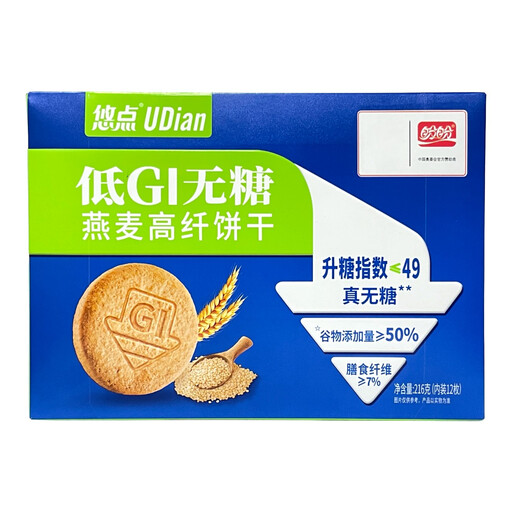
This biscuit is an option to assess using the label information before serving at your Christmas coffee table. Don’t base your choice solely on the sugar-free wording in the product name.
 No image available
Consider these biscuits for your Christmas coffee table if you can check the nutritional information and ingredients before serving. The name says ‘Sugar-Free’, but the product information also indicates that sugars are present, so don’t assume they’re sugar-free without checking the current packaging. Also check the allergens and polyols if they’re relevant to your guests.
No, the biscuit may still contain sugars. Albert Heijn lists Verkade San Francisco zero as having both 0% added sugar and 1.7 g of sugars per 100 g. So check the ‘of which sugars’ line.
Compare the sugar content of similar biscuits per 100 g, not just per portion or based on a claim on the front of the pack. The Netherlands Nutrition Centre advises comparing products per 100 g. Also check the ingredients and allergens that are relevant to your guests.
This warning may appear on products containing polyols and relates to excessive consumption. Albert Heijn includes it on AH Digestive 0% Sugar. For biscuits made with sweeteners, check the current packaging and the stated amount of polyols.
No, the claim describes a comparison and doesn’t replace the nutrition table. According to the European Commission, nutrition claims in the EU are only permitted if they’re included in the annex to Regulation (EC) No 1924/2006. To make your choice, also check the sugars per 100 g and the product it’s being compared with.